
Getting ill more often than you used to is easy to put down to a busy life. Taking longer to recover, or noticing your energy never quite returns after a stressful period, feels the same way. But those patterns often have a gut-related explanation that most people never consider. The link between gut health and immunity is closer than most people expect, and understanding it changes the way daily choices look.
Your immune system doesn’t operate in isolation. It takes a significant amount of its direction from your gut. The gut is often thought of as a digestive organ, something that processes food and occasionally causes problems. But it’s also one of the body’s most active immune sites. What happens there shapes how well your immune system functions everywhere else.
Why the Gut Is Central to Immune Function
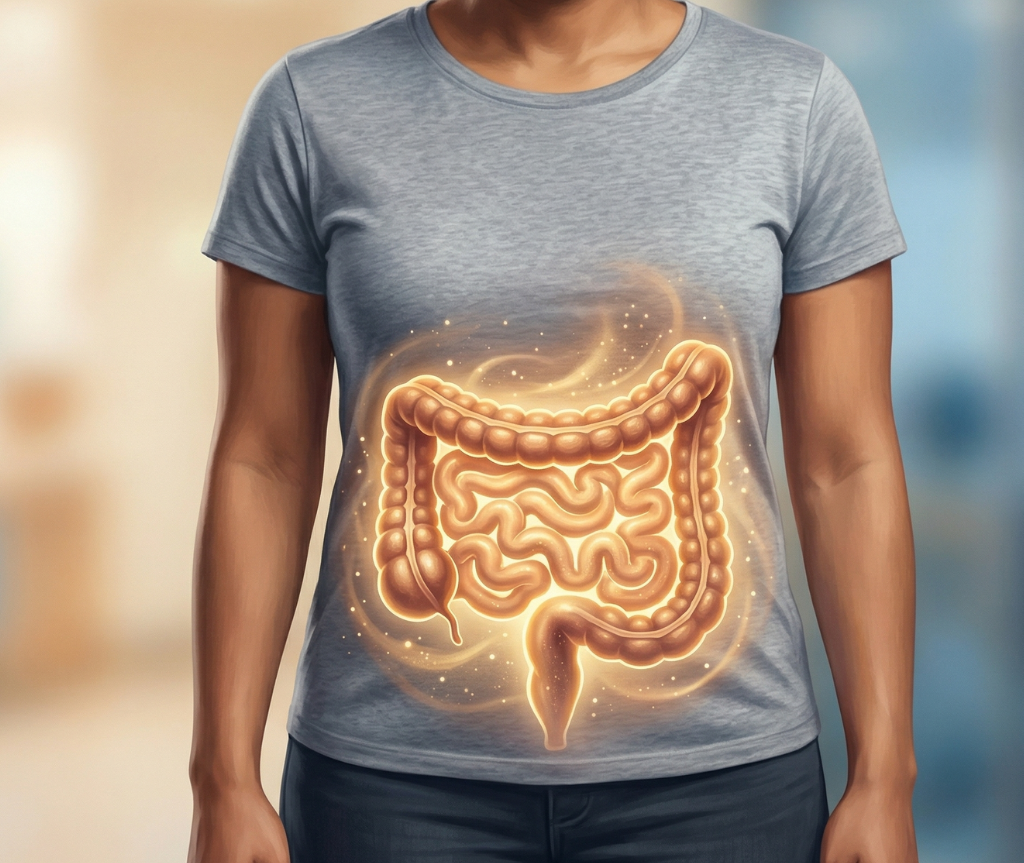
The gut is home to the largest concentration of immune cells in the body. Around 70 percent of your immune system lives in the gut-associated lymphoid tissue. This is a network of immune structures running the length of your digestive tract. These structures aren’t passive. They constantly sample what passes through the gut, assess whether it’s safe or threatening, and calibrate the immune response accordingly.
Your gut bacteria play a direct role in that calibration. Beneficial strains help train immune cells to respond proportionately. They encourage the production of regulatory T-cells. These are the immune cells responsible for keeping inflammatory responses measured rather than excessive. When bacterial diversity is high and beneficial strains are thriving, the immune system tends to be both responsive and restrained. It reacts when it needs to and stands down when it doesn’t.
The gut lining itself matters too. This single layer of cells acts as a selective barrier, allowing nutrients to pass while keeping pathogens and undigested particles out. Beneficial gut bacteria produce short-chain fatty acids, particularly butyrate, which fuel the cells that maintain this barrier. When the barrier weakens through poor diet, chronic stress, or disrupted sleep, unwanted particles cross into the bloodstream. The immune system then triggers a response that can become chronic over time.
So when gut health declines, immunity doesn’t just weaken. It can also become dysregulated, overreacting to harmless substances or failing to resolve inflammation once it starts. Both outcomes have real effects on how you feel and how well your body copes with daily demands.
What Disrupts the Gut and the Immunity
Several common patterns in daily life reduce bacterial diversity and gut lining integrity, which support healthy immunity. Understanding them makes it easier to see where the most useful changes are.
Diet is the most significant factor. A low-fiber diet heavy in ultra-processed foods starves beneficial gut bacteria of the fuel they need to survive. Without enough plant fiber, populations of protective strains decline, and less helpful bacteria fill the gap. High sugar intake accelerates this process, feeding inflammatory bacterial strains and reducing the production of short-chain fatty acids that protect the gut lining.
Chronic stress directly affects gut bacteria through the gut-brain axis. Elevated cortisol disrupts the gut environment and reduces beneficial bacterial populations. It also increases intestinal permeability over time. The immune system picks up those signals and shifts into a state of low-grade alert. That state can persist long after the stressful period ends.
Antibiotic use, while sometimes necessary, significantly reduces bacterial diversity. A single course can affect the microbiome for months, lowering populations of beneficial strains that support immune calibration. Poor sleep has a similar effect. The microbiome follows its own daily rhythm, and consistently disrupted sleep throws that rhythm off. Bacterial diversity declines, and the gut lining’s repair processes slow.
A period of high stress combined with poor sleep and a convenience-heavy diet creates compounding effects on gut health and immunity. Each factor makes the others harder to manage, and the combined impact takes time to reverse.
How to Support Gut Health and Immunity Through Diet
Diet is where most people have the most direct influence over their gut-immunity connection. The evidence consistently points to the same principles: more plant variety, more fermented foods, and less ultra-processed food.
Variety in plant foods is the single most important factor. Different bacterial strains thrive on different types of plant fiber and compounds. A wider range of plants supports a more diverse microbiome. Aiming for around 30 different plant foods throughout the week, including vegetables, fruits, legumes, whole grains, nuts, seeds, herbs, and spices, is consistently linked to greater bacterial diversity. That doesn’t require dramatic changes. Rotating the vegetables you already cook, adding a new grain, or using a wider range of herbs all count toward that total.
Fermented foods introduce live bacteria directly to the gut. Yogurt, kefir, kimchi, sauerkraut, miso, and kombucha all provide beneficial strains that add to microbiome diversity. Regular small servings work better than large occasional ones. One fermented food per day, even a small pot of plain yogurt or a spoonful of sauerkraut with a meal, maintains a consistent bacterial input. Check the label when choosing products. Look for naturally fermented options with live cultures, as heat-treated versions no longer contain active bacteria.
Prebiotic foods deserve a specific mention alongside fermented options. These are the plant foods richest in the fiber types that beneficial bacteria ferment most effectively. Good sources include garlic, onions, leeks, asparagus, oats, and slightly underripe bananas. Including these regularly gives beneficial bacteria a consistent fuel supply and supports short-chain fatty acid production.
Reducing ultra-processed food matters not just for what it removes but for what it makes room for. Processed foods displace the plant-based variety that bacterial populations depend on, and their additives and low fiber content disrupt the gut environment over time.
Lifestyle Habits That Protect the Connection
Beyond diet, three areas have the strongest evidence supporting gut health and immunity: sleep, stress management, and regular physical activity.
Sleep is when the gut does its restorative work. Gut bacteria follow a circadian rhythm, and consistently poor sleep disrupts their activity and reduces the diversity of beneficial strains. Most adults need seven to nine hours. Keeping sleep and wake times consistent across the week supports the microbiome’s natural rhythm. It also improves the gut lining’s overnight repair process. A wind-down routine that limits screen exposure before bed makes a meaningful difference to sleep quality over time.
Regular exercise increases microbial diversity independently of diet. People who exercise consistently tend to have more diverse gut microbiomes than those who don’t. That holds even when their diets are similar, suggesting that physical activity has a direct effect on the gut. The type of exercise matters less than consistency. Walking, cycling, swimming, strength training, and yoga all show benefits. Aiming for around 30 minutes of physical activity most days is a target most people can sustain without significant disruption to their routine.
Stress management is the area most people underestimate. Chronic stress keeps cortisol elevated and holds the gut in a disrupted state, regardless of how well everything else is managed. Even modest changes help. A short walk after work, a consistent sleep routine, or time away from screens in the evening all reduce the cortisol burden on the gut. They allow bacterial populations to stabilize in ways that carry forward into immune function. Where stress feels persistent or unmanageable, talking to a doctor or mental health professional is worth doing sooner rather than later.
When to Think About Probiotic Supplements
Food should always be the first approach to supporting gut health and immunity. But certain circumstances make a probiotic supplement worth considering.
After a course of antibiotics, the microbiome needs to rebuild the diversity lost during treatment. Taking a probiotic during and after the course can reduce digestive side effects and support recovery. Not all probiotics are equally effective for this purpose. The most useful strains depend on the specific antibiotic prescribed, so asking a pharmacist or doctor for guidance is a sensible step.
During periods of high stress, illness recovery, or when the diet is limited for any reason, a good-quality probiotic can help maintain bacterial populations that might otherwise decline. Look for products with clearly labeled bacterial strains, a live count measured in billions, and storage instructions that keep the cultures alive.
For people managing chronic conditions linked to immune dysfunction, including autoimmune conditions, recurrent infections, or inflammatory bowel conditions, gut support is worth raising with a doctor. In these situations, a targeted approach guided by a medical professional is more useful than self-directed supplementation.
Building the Foundation Your Immune System Relies On
Those patterns of getting ill more often, recovering slowly, or running on low energy often reflect a gut-immunity connection that needs support. That’s actually useful to know. It means the lever is closer than it might seem.
The habits that protect gut health and immunity aren’t complicated. They require repetition. The more consistently they’re in place, the more clearly the immune system reflects them.
Start with one thing this week. Add a new vegetable to a meal you already cook, try a fermented food you haven’t used before, or commit to one earlier night. Small repeated additions build the bacterial diversity your immune system depends on. And those effects compound in ways that become noticeable before long.