
Some foods do their best work quietly. Fatty fish is one of them. A couple of portions a week will not transform your health overnight. But over months and years, the difference shows up. Blood pressure improves, thinking sharpens, and the heart keeps its rhythm more reliably.
Omega-3 fatty acids are at the heart of it. These are fats your body genuinely needs but cannot produce on its own. Food is the only reliable source, and fatty fish delivers the most useful forms directly. That makes eating them regularly one of the more worthwhile habits you can build.
What Fatty Fish Actually Give Your Body
Omega-3 fatty acids come in several forms. The two that matter most for human health are Eicosapentaenoic acid (EPA) and docosahexaenoic acid (DHA), both found in fatty fish. Your body can technically convert a plant-based form called ALA, found in flaxseeds and walnuts, into EPA and DHA. But the conversion rate is low. You would need to eat a large amount of plant sources to get what a single salmon fillet provides directly.
EPA and DHA each serve a distinct purpose. EPA focuses on inflammation management. For DHA, the focus is structural: it is a core component of the brain and retina. Together, they support heart function, hormone regulation, and cell membrane health. Nutritional guidance consistently points to fatty fish because the benefit is broad and well-established, not because it is a trend.
Beyond omega-3s, fatty fish bring a useful bundle of other nutrients. Salmon and mackerel are among the few dietary sources of vitamin D. Most people do not get enough of it, especially in winter. Oily fish also deliver vitamin B12, iodine, selenium, and high-quality protein. A single portion covers a meaningful share of several daily requirements.
The Benefits That Build Over Time
1. Your Heart and Blood Vessels
EPA and DHA support heart health in several ways at once. Triglyceride levels in the blood come down, reducing cardiovascular risk. Blood vessels stay more flexible and responsive, which supports healthy blood pressure. Both also play a role in steadying the heart rhythm and reducing the risk of certain arrhythmias.
People who eat fatty fish two or more times a week consistently show lower rates of heart attack and stroke. The effect is more pronounced in people who eat very little oily fish to begin with. Even one portion a week produces a measurable benefit over no intake at all.
One specific marker worth knowing is the lipid profile. Omega-3s tend to lower LDL cholesterol and triglycerides while raising HDL cholesterol. That combination shifts the overall picture in a useful direction. If your doctor has flagged any of these numbers, adding fatty fish is a practical step worth raising.
2. Your Brain and Mood
DHA makes up a significant share of the brain’s fat content. The brain needs a constant supply of nutrients to function well, and DHA is one it relies on heavily. Lower DHA intake links to faster cognitive decline in older adults and to poorer memory and concentration at any age.
The mood connection is less talked about but worth knowing. EPA plays a role in how the brain manages inflammation, which researchers now link to depression and anxiety. People with diets high in oily fish tend to report better mood stability. This is not a treatment for mental health conditions, but it is a genuine contributing factor to daily mood.
During pregnancy and early childhood, DHA is critical for brain and visual development. Two to three portions of low-mercury oily fish per week support the baby’s developing nervous system. Most guidance treats this as both safe and beneficial.
3. Your Eyes, Joints, and Immune System
DHA is also a structural fat in the retina. Regular intake reduces the risk of age-related macular degeneration, one of the leading causes of vision loss in older adults. The protective effect builds over the years, which is one reason starting earlier matters.
EPA’s anti-inflammatory properties have a practical effect on joints. People with rheumatoid arthritis often find that consistent intake of oily fish reduces morning stiffness and joint tenderness. The effect is modest but real. It works alongside other treatments rather than replacing them.
Omega-3s also support immune regulation, helping the body’s inflammatory response stay proportionate rather than overreactive. Chronic low-grade inflammation is linked to a wide range of conditions, from metabolic diseases to cardiovascular risk. Fatty fish, eaten regularly, is one of the more practical tools for keeping that response in check.
The Best Fatty Fish to Eat, and How to Use Them
Not all fish are equally rich in omega-3s. The fattier the fish, the more EPA and DHA it contains. Salmon, mackerel, sardines, herring, anchovies, and trout are all strong sources. Tuna contains omega-3s too, though tinned tuna has less than fresh, as canning removes some fat.
Here is a practical guide to the main options:
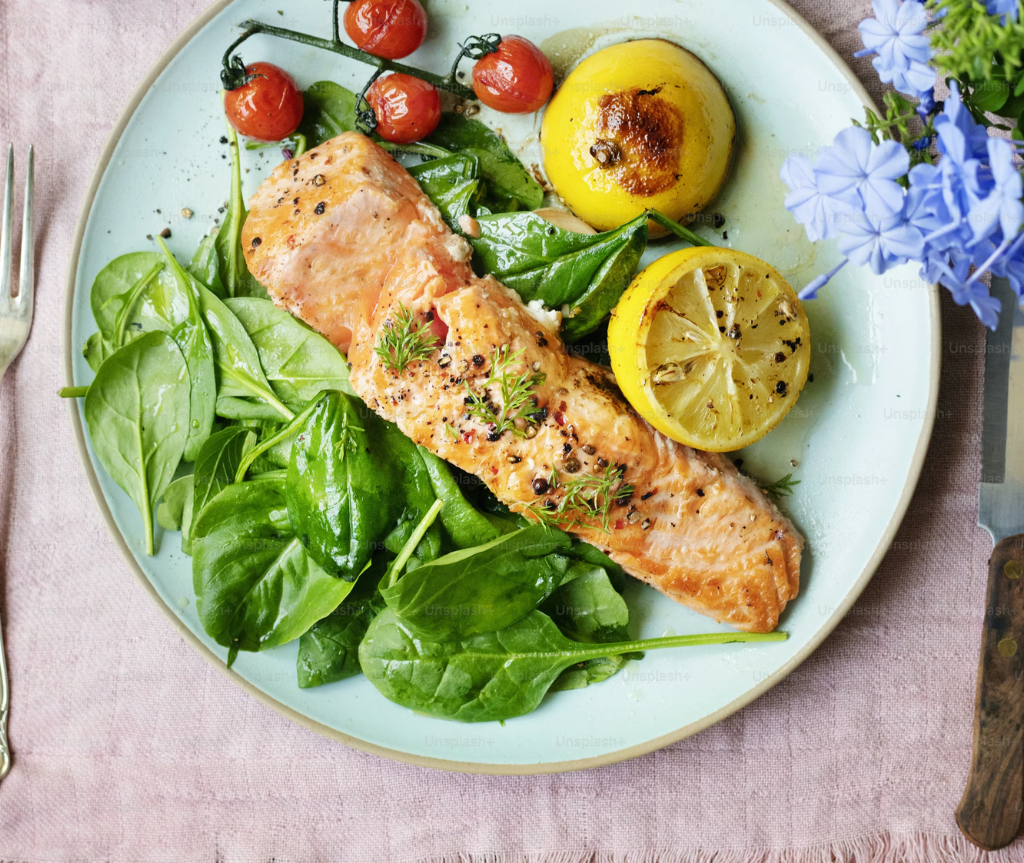
- Salmon — One of the richest sources of omega-3s. Works roasted, pan-fried, baked, or flaked cold into salads. Tinned and fresh are both good.
- Mackerel — Strong flavor and very high in omega-3s. Smoked mackerel needs no cooking and works well on wholegrain toast or in salads.
- Sardines — Nutrient-dense and affordable. Eating them with the soft bones adds calcium. Tinned sardines in olive oil are an easy, no-prep option.
- Herring — Packed with vitamin D and B12 alongside omega-3s. Pickled herring is widely available and needs no preparation.
- Trout — Mild flavor, easier for people who find stronger fish off-putting. Close in nutrition to salmon.
- Tuna — Convenient and widely available. Choose tinned in spring water or brine, rather than in oil, to keep calories in check. Fresh tuna steak is higher in omega-3s than tinned.
- Anchovies — Small but very concentrated in nutrients. Use them to add depth to sauces, dressings, and pasta dishes.
Tinned fish is worth taking seriously. It is nutritionally comparable to fresh for most species, costs less, and needs no preparation. Sardines, mackerel, and salmon in tins are all genuinely good sources of omega-3s. With tinned tuna, processing reduces the omega-3 content compared to a fresh steak. So if tuna is your default, rotating in other species now and then is worth doing.
For cooking, gentle methods preserve more of the omega-3 content than high-heat frying. Baking, steaming, poaching, or grilling on moderate heat all work well. Pan-frying in a small amount of olive oil is fine, too. Deep-frying is the one method worth avoiding if you eat fish mainly for the omega-3 benefits.
How Much to Eat, and What to Watch For
Most health guidance recommends two portions of fatty fish per week, with at least one being an oily variety. A portion is roughly 140g cooked, about the size of a salmon fillet or a small tin of sardines. For most people, two portions a week is both achievable and meaningful.
Mercury is worth understanding. Salmon, sardines, mackerel, herring, and trout all carry low mercury levels and are safe to eat freely. Larger, longer-lived species accumulate more mercury over time. Swordfish, shark, marlin, and king mackerel fall into this group. Women who are pregnant and young children should carefully limit their exposure to these species.
Pregnant people can safely eat two to three portions of low-mercury oily fish per week. Tinned tuna carries less mercury than fresh tuna steak. Limiting it to around two to four tins per week during pregnancy is sensible. A doctor or midwife can give guidance specific to your situation.
For people who do not eat fish, algae-based omega-3 supplements are a well-established alternative. Fish obtain their EPA and DHA from marine algae, so algae oil comes directly from the same source. These supplements are widely available and provide the same EPA and DHA found in oily fish. They suit vegans, vegetarians, and anyone who simply does not enjoy eating fish.
A Habit Worth Building Earlier Than You Think
The benefits of eating fatty fish are not dramatic in the short term. No single meal changes much. But two portions a week, maintained over years, add up. The gains are real: a healthier heart, sharper cognition as you age, less inflammation, steadier mood. They just take time to accumulate.
The practical barrier is smaller than people expect. Tinned sardines on toast, smoked mackerel with salad, a baked salmon fillet with whatever is in the fridge: none of these takes much time. Start with whichever fatty fish you already like, or the one that needs the least effort to prepare. The habit is worth more than the perfect choice.