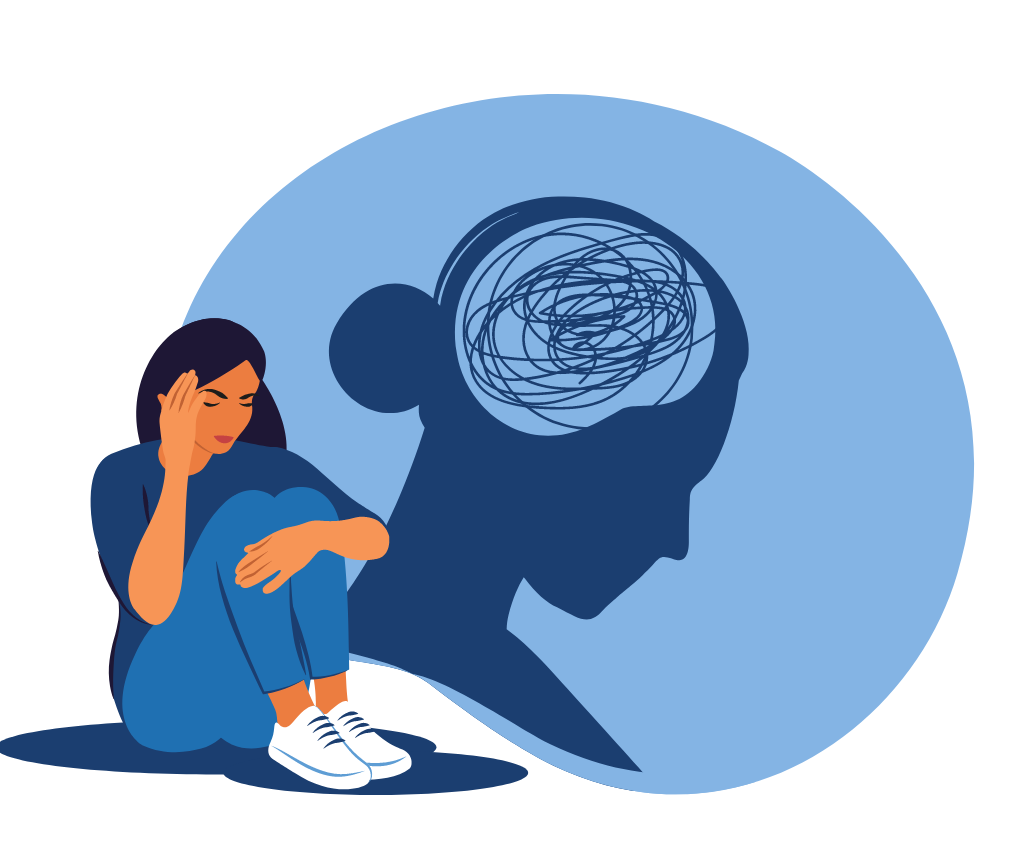

Depression can arrive quietly. Some people notice it building gradually over months, a slow dimming of energy, interest, and hope. Others are suddenly overwhelmed after a loss, an illness, or sustained stress. Either way, the experience is real and recognizable once you know what to look for.
What makes depression different from ordinary sadness is persistence. Grief and low mood are part of being human. But when a low mood goes on for weeks and starts interfering with work, relationships, sleep, and appetite, something deeper is happening. Especially when it resists what usually helps. That is when understanding depression becomes genuinely important. Not just for the person experiencing it, but for anyone around them.
This guide covers the full picture: how depression is recognized, what causes it, how it affects the brain and body, and what treatments are available. Everyday habits that support recovery are included, along with a section for anyone trying to support a loved one.
Understanding Depression Through Its Symptoms
Depression is not just a low mood. It affects thinking, energy, physical sensations, sleep, appetite, and the ability to feel pleasure. Symptoms can vary considerably between people. Some feel a deep, heavy sadness. Others feel more numb than sad, disconnected from the people and activities that once mattered to them.
The symptoms below can appear in any combination. You might recognize just a few, or several at once. They are signs worth taking seriously, particularly when they have lasted more than two weeks.
Emotional and psychological symptoms:
- A persistent low mood that does not lift with rest or distraction
- Losing interest in activities, hobbies, or people that once brought pleasure
- Feeling hopeless, as if things will not improve
- Low self-esteem or a deep sense of worthlessness
- Persistent guilt, including over small or everyday things
- Tearfulness or crying that feels disconnected from any obvious cause
- Irritability, frustration, or feeling overwhelmed by others
- Persistent anxiety or a sense of dread
- Thoughts of self-harm or not wanting to be alive
Physical and behavioral symptoms:
- Changes in appetite, eating significantly more or less than usual
- Unexplained weight change
- Disrupted sleep, either sleeping too much or struggling to sleep at all.
- Persistent fatigue, even after rest
- Feeling physically slowed down, as if moving through water
- Difficulty concentrating, remembering things, or making decisions
- Pulling away from people and avoiding social situations
- Neglecting responsibilities or things that usually feel manageable
If thoughts of self-harm or suicide are present, that is a signal to seek help urgently. Speaking to a doctor, going to an emergency department, or calling a crisis line are all appropriate responses. You do not need to wait until things get worse.
What Causes Depression: A Combination of Factors, Not One Answer
There is no single cause of depression, and that is important to understand. It is not caused by weakness, nor by one bad experience, nor by something a person did or failed to do. Depression tends to arise from several overlapping factors, biological, psychological, and circumstantial, that come together in ways that are often beyond any individual’s control.
1. Brain Chemistry and Biology
Chemical messengers in the brain, including serotonin, dopamine, and norepinephrine, play a key role in regulating mood, energy, and emotional responses. In depression, the balance and functioning of these messengers can shift. This is not simply a matter of having too little serotonin. The picture is more complex, involving receptor sensitivity, neuronal communication, and the brain’s stress response systems. Genetics also plays a role. Depression runs in families, though having a family history does not make it inevitable.
2. Life Events and Stress
Significant life events, such as bereavement, relationship breakdown, job loss, serious illness, or childhood trauma, can trigger a depressive episode in people who are vulnerable. Chronic, ongoing stress, whether from work, finances, caring responsibilities, or an unhealthy environment, can have a similar effect over time. The stress response system, when activated for too long, affects the same brain regions involved in mood regulation.
3. Medical Conditions and Medications
Some physical health conditions increase the risk of depression significantly. Thyroid disorders, chronic pain conditions, heart disease, and neurological conditions all have well-established links to depression. Certain medications, including some used to treat high blood pressure, hormonal conditions, and sleep disorders, can also affect mood. If you have a physical condition and develop depression, it is worth discussing both with your doctor, as treating one can affect the other.
4. Personality and Thinking Patterns
People who tend toward self-criticism, perfectionism, or a negative explanatory style, meaning they habitually interpret events in the most negative way possible, are at higher risk of depression. These are not character flaws. They are patterns, often developed in childhood, that can be changed with the right support. Cognitive behavioral therapy, which is one of the most effective treatments for depression, works directly with these patterns.
What Depression Does to the Brain and Body
Depression has measurable effects on the brain, and understanding them can make the experience feel less mysterious and less shameful. These are physical changes, not imagined ones, and most are reversible with effective treatment.
The hippocampus, a brain region central to memory and emotional regulation, can shrink in size during prolonged depression. This helps explain why memory feels unreliable, and decision-making becomes harder. The prefrontal cortex, which governs reasoning, planning, and impulse control, also functions less efficiently. That is why even simple tasks can feel overwhelming. The amygdala, which processes threat and fear, tends to become overactive, leading the brain to read situations as more threatening than they are.
Inflammation plays a role, too. Elevated inflammatory markers are consistently found in people with depression, and inflammation affects how neurons communicate. Sleep disruption, which both causes and results from depression, compounds these effects. Chronic sleep deprivation alone can produce many of the cognitive symptoms associated with depression.
On the body level, depression affects the immune system, digestive function, cardiovascular health, and hormonal balance. People with depression are at higher risk of developing physical health conditions, and people with chronic physical conditions are at higher risk of depression. The relationship runs in both directions.
Types of Depression: Why the Differences Matter
Depression is not a single, uniform condition. Different types have distinct patterns, durations, and triggers, and recognizing which type someone is experiencing can inform the most effective treatment approach.
1. Major Depressive Disorder
Major depressive disorder involves significant depressive symptoms lasting at least two weeks. Episodes can be single or recurrent. Between episodes, a person may feel well. The severity can range from mild to severe, and in the most serious cases, it can include psychotic features such as delusions or hallucinations.
2. Persistent Depressive Disorder
Also called dysthymia, persistent depressive disorder is a lower-grade but long-lasting form of depression. Symptoms are less intense than in major depression but stretch over two years or more. People with this condition sometimes describe their low mood as simply how they are, not recognizing it as something treatable. It responds well to treatment, but often goes undiagnosed for years.
3. Seasonal Affective Disorder
Seasonal affective disorder, or SAD, follows a seasonal pattern, most commonly arriving in autumn and winter as daylight hours shorten, then lifting in spring. Low mood, increased sleep, carbohydrate cravings, and low energy are typical features. Light therapy, talking therapies, and in some cases medication are all effective treatments.
4. Postnatal Depression
Postnatal depression affects parents after the birth of a child, most commonly in the weeks and months following birth. It is distinct from the brief emotional fluctuations many new parents experience in the first days after birth. Postnatal depression involves persistent low mood, difficulty bonding, exhaustion beyond what normal newborn care explains, and sometimes frightening thoughts. It is common, treatable, and nothing to feel ashamed about. Speaking to a doctor or midwife is the right first step.
5. Bipolar Disorder
Bipolar disorder involves cycles of depression and episodes of elevated mood. The depressive phases of bipolar disorder can be indistinguishable from major depression, but the treatment approach differs significantly. Antidepressants used alone can trigger manic episodes in people with bipolar disorder, which is one reason accurate diagnosis matters. If you experience periods of unusually high energy, reduced need for sleep, and impulsive behavior, along with periods of low energy, it is worth mentioning this to your doctor.
Treatment for Depression: What Works and What to Expect
Depression responds well to treatment. Most people improve significantly with the right support, though finding the right approach sometimes takes time. Treatment usually involves therapy, medication, or a combination of both, with lifestyle changes playing a meaningful supporting role.
Talking Therapies
Cognitive behavioral therapy, or CBT, is the most widely used and extensively tested psychological treatment for depression. It works by identifying the thinking patterns and behaviors that maintain depression. From there, the work is to practice more balanced ways of interpreting and responding to situations. A course of CBT typically involves 12 to 20 sessions.
Other effective therapies include interpersonal therapy, which focuses on relationships and communication patterns, and behavioral activation, which addresses the withdrawal and avoidance that depression drives. Psychodynamic therapy, which explores how past experiences shape present feelings, suits some people better. The best therapy is the one that fits the individual, and it is reasonable to try more than one approach.
Antidepressant Medication
Antidepressants work by influencing the brain chemicals involved in mood regulation. They do not work immediately. Most take 2 to 4 weeks before any benefit becomes noticeable, and the full effect often takes 6 to 8 weeks. Starting an antidepressant is a process that requires patience and regular check-ins with a doctor.
Selective serotonin reuptake inhibitors, known as SSRIs, are typically the first choice. Sertraline, fluoxetine, and escitalopram are commonly prescribed. They are generally well tolerated. Side effects in the early weeks can include nausea, disrupted sleep, and some initial increase in anxiety. These tend to ease before the mood benefit arrives. If one SSRI does not work or causes intolerable side effects, switching to another is often effective.
Other medication classes include serotonin-norepinephrine reuptake inhibitors, or SNRIs, which suit people whose depression involves significant fatigue or pain. Tricyclic antidepressants, or TCAs, are older but still effective for some people. Monoamine oxidase inhibitors, or MAOIs, are used less often due to dietary interactions but remain useful in treatment-resistant cases. A doctor or psychiatrist is best placed to guide medication choices based on the individual’s full picture.
Stopping antidepressants should always be done gradually and in discussion with a doctor. Stopping suddenly can cause discontinuation symptoms, including dizziness, nausea, and mood changes, which can be distressing and are often mistaken for relapse.
When Treatment Needs More Support
Some people do not respond adequately to one or two treatment attempts. This is called treatment-resistant depression, and it does not mean recovery is impossible. Other approaches, including combining different medications, augmenting with lithium or other mood stabilizers, or exploring newer treatments such as ketamine infusions or repetitive transcranial magnetic stimulation (rTMS, may be appropriate. A psychiatrist can assess and guide more complex cases.
Everyday Habits That Support Recovery
Therapy and medication are the foundation of depression treatment, but everyday habits make a meaningful difference alongside them. These are not cures, and they are not substitutes for professional support. But for many people, they are the difference between slow recovery and faster recovery.
1. Exercise
Physical activity has a well-established positive effect on mood. Regular exercise increases dopamine and serotonin activity, reduces inflammation, improves sleep, and builds a sense of agency and competence that depression tends to erode. Even modest amounts help. A 20 to 30-minute walk most days is enough to produce a measurable mood benefit over time. The difficulty is that depression makes starting feel almost impossible, which is why starting very small matters more than any particular type or intensity of exercise.
2. Sleep
Depression disrupts sleep, and disrupted sleep worsens depression. Breaking that cycle is one of the most useful things you can work on alongside treatment. Consistent sleep and wake times, even at weekends, support the body’s natural rhythm. Reducing screen exposure in the hour before bed, keeping the bedroom cool and dark, and avoiding alcohol, which fragments sleep even when it initially aids falling asleep, all help. If sleep remains very disrupted despite lifestyle changes, talking to a doctor is worthwhile, as sleep problems in depression sometimes need direct attention.
3. Social Connection
Depression pulls people away from others. Isolation reinforces depression. Maintaining some social contact, even when it feels effortful, is protective. This does not mean forcing yourself to be sociable in ways that feel overwhelming. It might mean one phone call a week, a short walk with someone you trust, or simply being in the same space as another person without any pressure to perform or explain. Small, consistent contact matters more than grand efforts at socializing.
4. Diet and Gut Health
The relationship between diet and mental health is increasingly well understood. A diet rich in whole foods, vegetables, legumes, oily fish, and fermented foods supports the gut microbiome, which in turn influences mood, inflammation, and brain function through the gut-brain axis. Ultra-processed foods, high sugar intake, and excess alcohol all negatively affect mood regulation over time. This does not mean that eating well cures depression. But it does mean that what you eat is not neutral, and improving your diet is one of the more accessible changes to make.
5. Reducing Alcohol
Alcohol is a depressant. In the short term, it can feel like it eases anxiety or low mood. Over time, it worsens both. People with depression who drink heavily tend to recover more slowly and relapse more often. If alcohol is a significant part of daily life, mentioning this to a doctor is important, as it affects both the diagnosis and the treatment plan.
How to Support Someone With Depression
Watching someone you care about struggle with depression is painful, especially when your attempts to help do not seem to make a difference. Understanding what is actually useful and what tends to backfire makes a real difference.
The most important thing is to listen without trying to fix. Depression is not solved by positive thinking, and telling someone to cheer up or look on the bright side can feel dismissive, even when kindly meant. What helps is being present, consistent, and non-judgmental. Saying something like “I’m here, I don’t need you to explain, and I’m not going anywhere” is more useful than any advice.
Practical help is often more welcome than emotional support during the worst periods. Cooking a meal, going with someone to a doctor’s appointment, or helping with a task that has piled up removes a small weight without requiring the person to engage emotionally when they have nothing to give.
Encourage professional support, but do not push. Many people with depression feel that their symptoms do not warrant help, or that asking for it is a burden. Gently and repeatedly making clear that treatment works, that help is available, and that seeking it is a sign of strength rather than weakness can shift that slowly. Offering to help find a doctor or therapist, or to accompany them to a first appointment, often lowers the barrier enough to make the first step possible.
Take care of yourself, too. Supporting someone with depression over a long period is draining, and your own well-being matters. Talking to someone about how you are finding it, whether a friend, a therapist, or a support group for carers, is not a betrayal of the person you are helping.
When to Seek Help and What the First Step Looks Like
Many people wait far longer than they should before reaching out. The reasons are understandable: embarrassment, not wanting to be a burden, uncertainty about whether what they’re experiencing is “bad enough,” or simply not knowing where to start. None of these reasons should stand in the way.
If low mood, loss of interest, or other symptoms listed in this article have been present for two weeks or more and are affecting daily life, that is enough reason to speak to a doctor. You do not need to be in crisis to deserve support. Earlier intervention means faster recovery.
A first appointment with a doctor is a reasonable starting point. Being honest about the full picture, including sleep, appetite, energy, any thoughts of self-harm, and how long symptoms have been present, helps the doctor understand what is happening and what support is appropriate. Some people find it helpful to write their symptoms down before the appointment so nothing is missed in the moment.
Symptoms that are severe, thoughts of self-harm or suicide, or feeling unsafe are all reasons not to wait for a routine appointment. Going to an emergency department, calling a crisis line, or asking someone you trust to take you to get help are all appropriate responses. These services exist for exactly this reason.
Recovery Is Real, and It Happens More Often Than You Think
Depression can make it feel as if nothing will change, as if this is simply how things are now. That feeling is one of depression’s most convincing symptoms, and understanding depression well enough to recognize it as a symptom, not a fact, is itself a meaningful step.
Most people with depression recover with the right support. Many go on to describe their recovery as a turning point, a time that, looking back, led them toward a life that felt more honest, more grounded, and more fully their own. Treatment works. Connection helps. Small, consistent steps forward add up.
If you are in the middle of it right now, that last paragraph might feel very distant. That is understandable. You do not need to believe in recovery to take the first step toward it. You only need to make one phone call, book one appointment, or say one honest sentence to someone you trust.
That is enough to start.