

Do you often feel exhausted and sluggish, struggling to get the energy for your workouts or making poor food choices? The reason might be something as simple as not getting enough quality sleep.
According to research, over 35% of adults don’t get the recommended 7-9 hours of sleep per night. If you’re part of this statistic, you’re missing out on the powerful synergy between sleep, exercise, and weight loss.
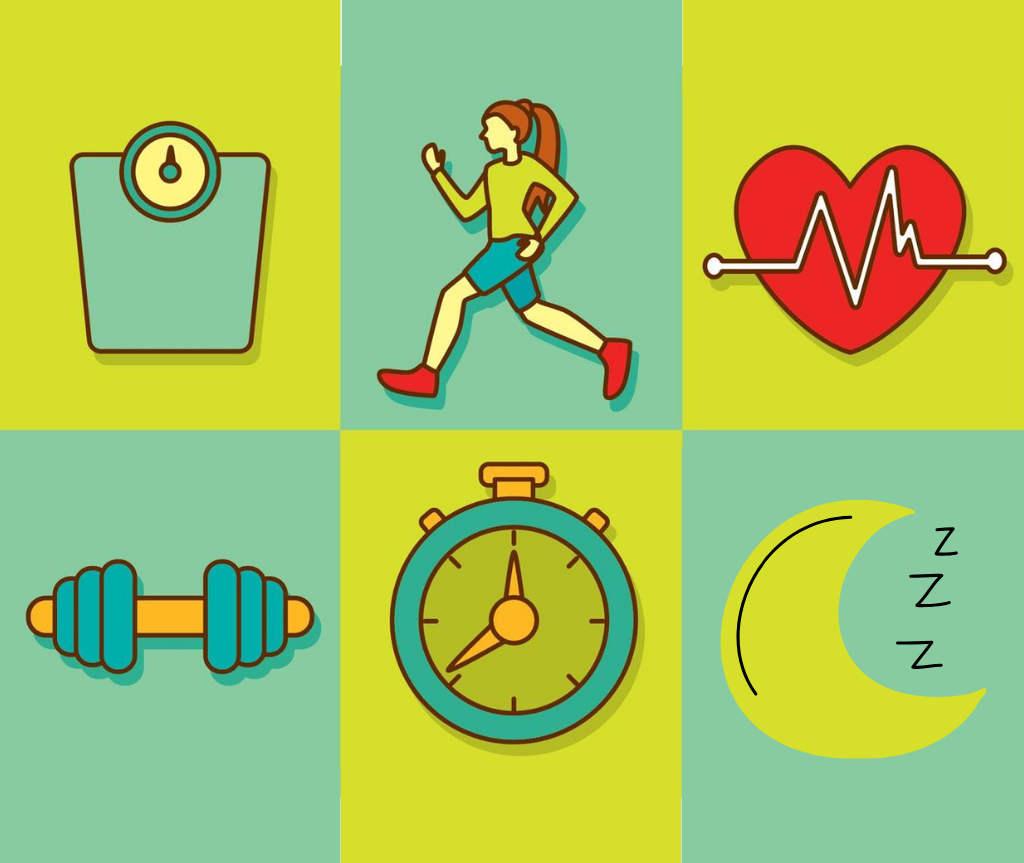
The relationship between sleep, exercise, and weight loss is crucial and can significantly impact your overall health and fitness goals.
This article uncovers the intricate connections among these three pillars of health. It provides actionable tips to help you achieve your sleep, exercise, and weight loss goals while prioritizing restorative sleep.
1. Sleep
Sleep is essential for overall health and well-being. It regulates various bodily functions, including metabolism, hormone balance, and tissue repair. When you don’t get enough quality sleep, your body’s ability to function optimally is compromised, leading to a cascade of potential health issues.
2. The Effects of Sleep Deprivation on Weight
Lack of sleep can significantly impact your weight and metabolism.
Studies have shown that sleep deprivation can disrupt the balance of hormones that regulate appetite and hunger, such as leptin and ghrelin.
This imbalance can lead to increased cravings for unhealthy foods and overeating, making it harder to maintain a calorie deficit and lose weight.
Sleep deprivation can also slow your metabolism, reducing the number of calories your body burns at rest.
This means that even if you maintain the same diet and exercise routine, you may not see the desired weight loss results if you’re not getting enough sleep.
3. The Impact of Exercise on Sleep Quality
While sleep plays a vital role in weight management, exercise can also significantly impact the quality and duration of your sleep.
Regular physical activity has been shown to improve sleep quality by reducing the time it takes to fall asleep, increasing the amount of deep, restorative sleep, and decreasing the likelihood of waking up at night.
Furthermore, exercise can help alleviate stress and anxiety, which are common contributors to poor sleep.
Engaging in physical activity can release endorphins and promote relaxation, making it easier to wind down and fall asleep at night.
4. The Role of Sleep in Muscle Recovery and Growth
For those who prioritize strength training and building muscle, getting enough sleep is crucial for optimal recovery and growth.
During sleep, your body releases growth hormones and repairs damaged muscle tissues, making your muscles stronger and more resilient.
Without adequate sleep, your muscles may not fully recover from intense workouts, leaving you fatigued and increasing your risk of injury.
This can ultimately hinder your progress and prevent you from achieving your fitness goals.
5. Strategies for Improving Sleep Hygiene
Good sleep hygiene practices can help you get the quality sleep your body needs to support your weight management and exercise goals.
Some effective strategies include.
- Establishing a consistent sleep schedule, even on weekends
- Creating a relaxing bedtime routine to signal your body it’s time to wind down
- Ensuring your bedroom is cool, dark, and quiet
- Avoiding screen time and bright lights before bed
- Limiting caffeine intake, especially in the afternoon and evening
6. The Benefits of Regular Exercise for Sleep and Weight Management
Adding regular exercise into your routine can positively impact both sleep and weight management.
Exercise not only helps you burn calories and build muscle, but it can also improve sleep quality and duration, supporting a healthy metabolism and appetite regulation.
When you engage in physical activity, your body releases endorphins that promote well-being and relaxation, making falling and staying asleep easier.
Additionally, exercise can help reduce stress and anxiety, which are common contributors to poor sleep and emotional eating.
7. Recommended Sleep Amounts and Potential Risks
The recommended amount of sleep varies based on age, but generally, adults should aim for 7-9 hours of sleep per night.
Chronic sleep deprivation and inactivity can increase the risk of various health issues, including obesity, type 2 diabetes, cardiovascular disease, and mental health problems.
By prioritizing quality sleep and regular exercise, you can support your weight loss goals and promote overall physical and mental well-being.
8. Tips for Balancing Sleep, Exercise, and Lifestyle Factors
Striking the right balance between sleep, exercise, and other lifestyle factors can be challenging, especially for busy professionals.
Here are some tips to help you optimize your routine.
- Schedule your workouts at a consistent time each day, preferably in the morning or early evening, to avoid disrupting your sleep schedule.
- Incorporate stress-reducing activities like yoga or meditation into your routine to promote relaxation and better sleep.
- Plan your meals and snacks to ensure you’re fueling your body with nutrient-dense foods that support energy levels and recovery.
- Set realistic goals and prioritize self-care practices to avoid burnout and maintain a healthy work-life balance.
9. The Bottom Line
The connection between sleep, exercise, and weight loss is undeniable.
Prioritizing quality sleep and regular physical activity can profoundly impact your overall health, metabolism, and ability to achieve your fitness goals.
By implementing strategies to improve sleep hygiene, incorporating exercise into your routine, and finding a balance that works for your lifestyle, you can unlock the powerful synergy among these three pillars of health.
The sleep, exercise, and weight loss connection is crucial, and it can significantly impact one’s overall well-being and success in reaching one’s desired physique.
Remember, consistent effort and self-care are key to sustainable sleep, exercise, and weight loss success.
Embrace the journey, celebrate small victories, and trust that prioritizing sleep and exercise will lead you to a healthier, more vibrant version of yourself.


