
That feeling of unease that sits in your chest before anything has even gone wrong. The sleep that doesn’t come, or comes and then breaks at 3 am with your mind already running. Anxiety has a way of making itself at home in your body before you’ve had a chance to think about it.
What many people don’t realize is that lifestyle changes for anxiety are some of the most effective tools available, because your nervous system responds directly to how you live. Not because anxiety is a lifestyle problem, but because the conditions you create day to day either feed that stress response or help to calm it.
Why Lifestyle Changes for Anxiety Work at a Nervous System Level
Anxiety starts in the nervous system. Your brain has a built-in threat detection system, and when it senses danger, it triggers a stress response: heart rate climbs, breathing shallows, muscles tighten. That response is useful when the threat is real. But for many people with anxiety, this system stays partially switched on even when everything is fine.
Chronic stress, poor sleep, too much caffeine, and too little physical activity all keep that system quietly activated. So the body stays in a low-level state of alert, even on calm days. Over time, that baseline creeps up, and it takes less and less to tip into full anxiety.
The good news is that the reverse works too. Consistent positive habits send the opposite signal. Regular exercise, quality sleep, and a diet that supports your nervous system all tell your body that things are safe. That baseline starts to come down. Anxiety doesn’t disappear, but it becomes less constant, less intense, and easier to manage. That’s what lifestyle changes actually do — they shift the conditions your nervous system is working in.
Exercise as One of the Most Reliable Tools
Physical activity is one of the most well-supported ways to reduce anxiety, and it works quite directly. When you exercise, your body burns through the stress hormones — cortisol and adrenaline — that build up during periods of anxiety. At the same time, it releases endorphins, which improve mood and create a sense of calm that can last for hours afterward.
The good news here is that intensity isn’t the point. A 30-minute walk produces real, measurable effects on anxiety levels. So does yoga, swimming, or cycling at a comfortable pace. What matters more than how hard you push is how consistently you show up. Daily moderate exercise tends to do more for anxiety than occasional intense sessions, because it keeps those stress hormone levels from accumulating in the first place.
Starting when you’re already anxious can feel like the hardest part. That’s normal. The trick is to make the entry point so small that it doesn’t feel like a decision. A ten-minute walk counts. A few stretches count. Getting your body moving, in any form, shifts your nervous system out of idle threat-detection mode and into a calmer state.
If anxiety is severe or connected to a physical health condition, it’s worth checking with a doctor or healthcare provider before starting a new fitness routine.
Sleep and Anxiety Feed Each Other — Here’s How to Break the Cycle
Sleep and anxiety have a complicated relationship. When you’re anxious, sleep is harder to come by. But when sleep is poor, anxiety gets worse the next day. Over time, this cycle compounds in a way that feels very hard to interrupt.
Here’s what’s happening: sleep deprivation increases activity in the part of the brain responsible for detecting threats. So after a bad night, your threat radar is more sensitive, and smaller things trigger a bigger response. Your body also uses sleep to process the emotional weight of the day. Without enough of it, stress accumulates faster than it can be cleared.
Breaking the cycle starts with the basics. Going to bed and waking up at consistent times, even on weekends, helps regulate your body’s internal clock. Reducing screen exposure in the hour before bed gives your brain a chance to wind down. Keeping your bedroom cool and dark supports the kind of deep sleep where stress processing actually happens. Cutting back on caffeine after early afternoon makes a bigger difference than most people expect.
These changes don’t transform your sleep overnight. But even a modest improvement in sleep quality tends to reduce anxiety noticeably within a week or two. The cycle can be interrupted, and sleep is often the best place to start.
What You Eat Has More Effect on Anxiety Than Most People Realize
Food and anxiety are more connected than most people think, and the link isn’t just about eating well in a general sense. It’s about how specific foods you eat directly affect your nervous system.
Blood sugar is one of the clearest examples. When blood sugar drops sharply, your body releases adrenaline to compensate. That surge creates physical symptoms that feel almost identical to anxiety: a racing heart, shakiness, light-headedness, and a sense of unease. For people already prone to anxiety, this can tip a manageable day into a difficult one. Eating regularly and choosing foods that release energy steadily rather than in spikes reduces how often this happens.
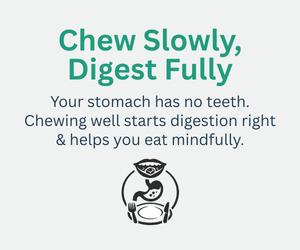
Ultra-processed foods and high sugar intake are also linked to mood instability and higher baseline anxiety. On the other hand, certain nutrients actively support the nervous system. Magnesium, found in leafy greens, nuts, and seeds, helps regulate the stress response. Omega-3 fatty acids, in oily fish, walnuts, and flaxseed, support brain function and help reduce inflammation linked to anxiety. B vitamins, found in wholegrains, eggs, and legumes, are involved in producing the neurotransmitters that regulate mood.
The gut-brain connection matters here, too. Your gut produces a significant amount of the serotonin your body uses, which means gut health has a direct line to how you feel emotionally. Eating more fiber-rich and fermented foods supports that connection.
Caffeine and alcohol are worth an honest look. Both can worsen anxiety, even when they feel helpful in the moment. Caffeine raises cortisol and keeps the nervous system stimulated. Alcohol disrupts sleep and increases anxiety the following day, even after moderate amounts. Cutting back on both often produces a noticeable shift in baseline anxiety within a couple of weeks.
The Smaller Daily Habits That Make a Bigger Difference Than Expected
Not everything that helps with anxiety requires a major effort. Some of the most effective tools are small, quiet, and easy to fit into a day that’s already full.
Breathing is one of them. Slow, controlled breathing activates the parasympathetic nervous system, which helps calm the body. When you breathe out slowly, your heart rate drops and your body receives a direct signal that the threat has passed. Even five minutes of deliberate slow breathing, in for four counts and out for six, can shift the physical experience of anxiety noticeably. It works because it bypasses the thinking brain entirely and speaks directly to the body.
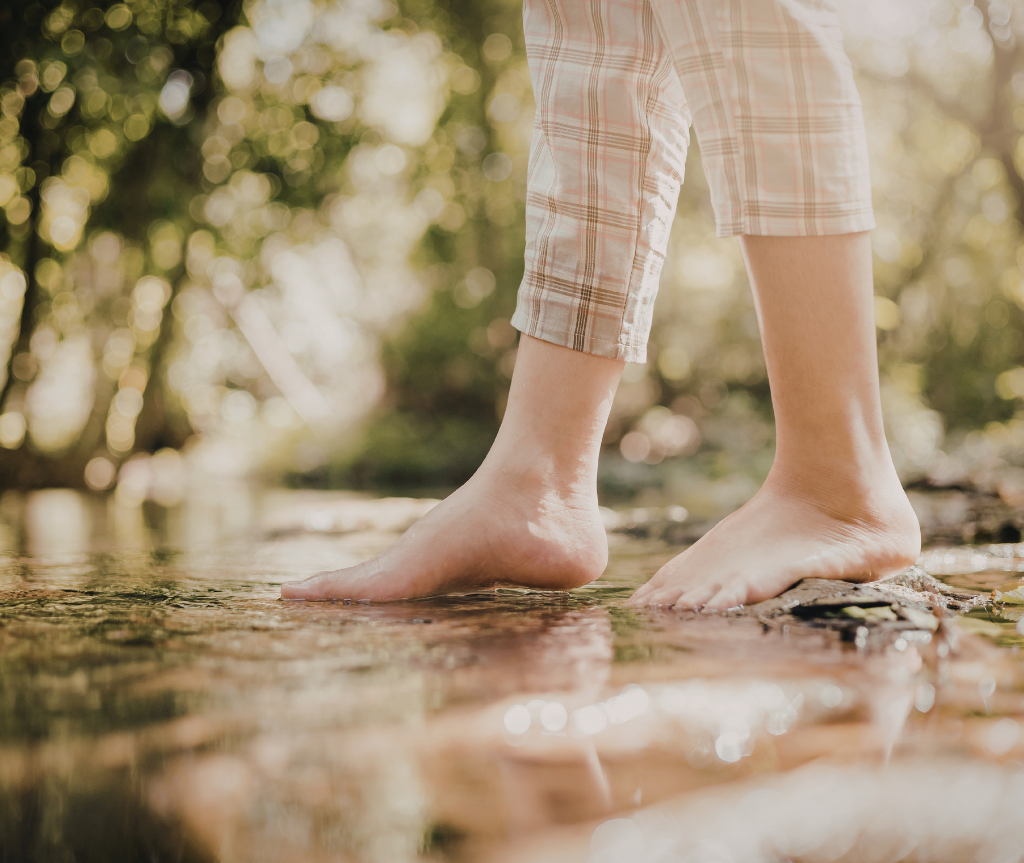
Time outside helps too. Natural settings reduce cortisol and lower baseline anxiety in ways that indoor environments don’t quite replicate. This doesn’t need to mean long hikes. A park, a garden, a quiet street with trees — even twenty minutes in a natural setting makes a measurable difference to how the nervous system settles.
Social connection is another one that’s easy to underestimate. Isolation feeds anxiety, partly because the nervous system is wired to feel safer in the presence of trusted people. Low-pressure, regular contact with people you feel comfortable around — a phone call, a walk with a friend, a shared meal — quietly reduces the background hum of anxiety over time.
Finally, routine matters more than it gets credit for. A consistent daily structure reduces the number of decisions your brain has to make, lowering mental load and giving your nervous system a sense of predictability. Predictability feels safe. Safety is what anxious nervous systems are always looking for.
One Place to Start
Lifestyle changes for anxiety work because they address what’s driving it, not just how it feels. Better sleep, regular physical activity, steadier nutrition, and small calming habits all reduce the load on a nervous system that’s been working too hard for too long.
None of this is about doing everything perfectly. Anxiety doesn’t respond well to pressure, and adding a long list of changes to an already difficult week tends to backfire. Pick one thing that feels manageable and start there. Maybe that’s a short walk tomorrow morning. Maybe it’s cutting your afternoon coffee. Maybe it’s going to bed thirty minutes earlier tonight.
If anxiety is significantly affecting your daily life, or feels too big to shift on your own, talking to a doctor or mental health professional is the right move. Lifestyle changes work best as part of a fuller picture, not as a substitute for support when support is what’s needed.
But for that low-level unease that sits in the background — the 3 am wake-ups, the tension that builds for no obvious reason — your daily habits have more influence than you might expect. And that, quietly, is good news.