
You’ve been curious about yoga but aren’t sure where to start. Maybe you think you’re not flexible enough. Maybe you’ve seen complicated poses on social media and assumed you’ll never be able to do them. Here’s the truth: yoga for beginners is designed to meet you exactly where you are right now.
Yoga combines physical movement, breathing, and mindfulness. Regular practice can reduce stress, improve flexibility, and help you feel more connected to your body. You’ll probably sleep better, too. But you don’t need special skills or expensive equipment to begin.
Here’s how to start your practice, which style to choose, what poses to learn first, and how to make yoga part of your life.
Key InsightYoga for beginners combines physical movement, breathing exercises, and mindfulness to improve flexibility, strength, and mental clarity. Starting with gentle styles like Hatha or Vinyasa and practicing 2-3 times per week for 20-30 minutes can reduce stress, ease joint stiffness, and build body awareness within weeks. You don’t need to be flexible or fit to begin. You just need a mat, comfortable clothing, and a willingness to move at your own pace. Props like blocks and straps help modify poses, making yoga accessible to people of all ages and fitness levels. |
What Yoga Actually Is
Yoga started in ancient India thousands of years ago. It brings together three main elements: physical poses (called asanas), controlled breathing (pranayama), and meditation or mindfulness. The word “yoga” comes from Sanskrit and means “to unite.” It refers to connecting your body, breath, and mind.
Yoga has spiritual roots, but you don’t need to follow any particular belief system to practice it. Many people approach yoga purely for its physical and mental health benefits. Others find that the mindfulness aspect helps them feel more grounded and present in daily life.
Modern yoga includes many styles. Some are slow and gentle. Others are fast-paced and physically demanding. As a beginner, the key is finding a style that suits your goals and current fitness level.
The Benefits of Starting Yoga
When you start practicing yoga regularly, you’ll likely notice changes in several areas of your life.
Your body becomes more flexible and stronger. Yoga poses gently stretch and strengthen your muscles. This can reduce stiffness and improve posture. Over time, you’ll probably move more easily. You’ll feel less tension in areas like your lower back, hips, and shoulders. People with chronic lower back pain often find yoga as helpful as physical therapy.
Your mind becomes calmer. Yoga teaches you to focus on your breath and stay present. This can quiet racing thoughts and ease anxiety. The combination of movement, breathing, and mindfulness helps regulate your nervous system. This makes it easier to manage stress throughout the day.
You sleep better. If you struggle with sleep, yoga might help. The relaxation techniques used in yoga help calm your mind and prepare your body for rest. Many people fall asleep faster and sleep more soundly after starting a regular practice.
Chronic conditions may improve. Yoga can complement medical treatment for conditions such as high blood pressure, type 2 diabetes, and arthritis. Regular practice can help lower blood pressure and heart rate. However, if you have a chronic health condition, check with your doctor before starting yoga. This is especially important if you’re taking medication or have movement restrictions.
You become more aware of your body. As you practice, you’ll start noticing subtle signals from your body. You’ll notice where you hold tension. You’ll see which movements feel difficult. You’ll understand how your posture affects how you feel. This awareness helps you make better choices about how you move and rest throughout the day.
Choosing the Right Style for Beginners
Not all yoga is the same. Here are the most beginner-friendly styles.
- Hatha Yoga is often recommended for people new to yoga because it’s slow and focused on basic poses. You’ll hold each pose for several breaths. This gives you time to learn proper alignment and build strength gradually. If you want to understand the fundamentals, start here.
- Vinyasa Yoga involves flowing from one pose to another. You match movement to breath. It’s more active than Hatha but still accessible if you start with beginner classes. If you prefer movement over stillness, this might suit you better.
- Yin Yoga focuses on holding poses for longer periods, usually 3-5 minutes. This stretches deep connective tissues. It’s gentle and meditative, making it good for flexibility and relaxation. However, staying still for long periods can be challenging at first.
- Restorative Yoga uses props like bolsters and blankets to fully support your body in each pose. It’s deeply relaxing and ideal if you’re dealing with high stress or recovering from illness. However, it won’t build strength or flexibility as quickly as more active styles.
Start with Hatha or beginner Vinyasa classes. Then explore other styles once you’ve learned the basics.
Essential Poses to Learn First
Focus on mastering 8-10 basic poses before moving to more complex movements. These poses build strength, flexibility, and balance.
- Mountain Pose (Tadasana) – Stand tall with feet hip-width apart, arms at your sides. This teaches proper alignment and helps you find balance.
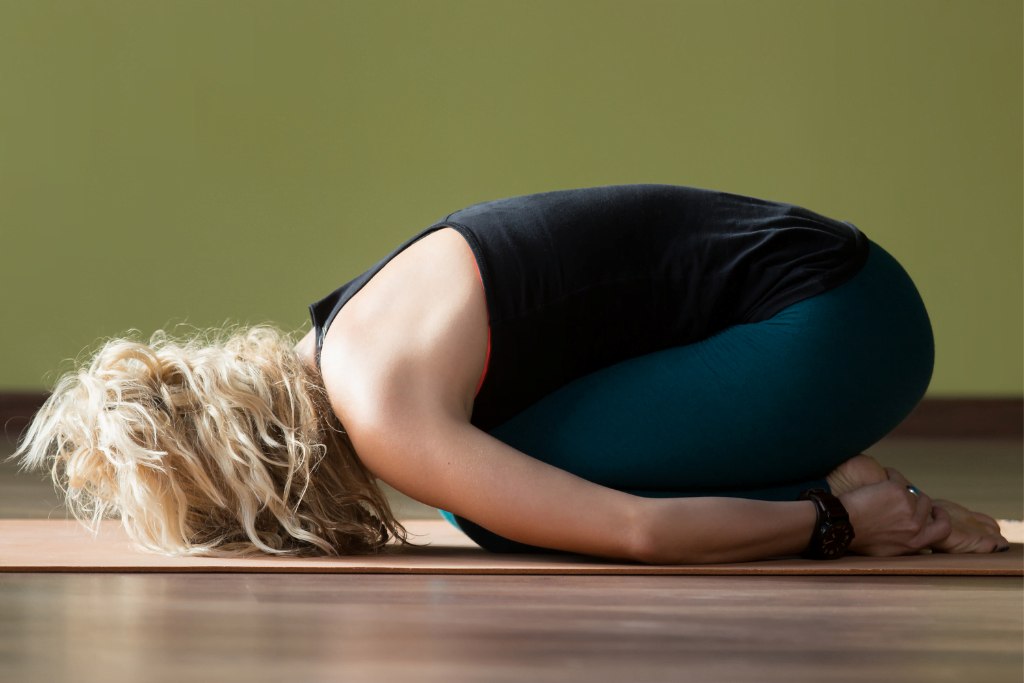
- Child’s Pose (Balasana) – Kneel and sit back on your heels, stretching your arms forward. This is a resting pose you can return to whenever you need a break.
- Downward-Facing Dog (Adho Mukha Svanasana) – Start on your hands and knees. Then lift your hips up and back, forming an inverted V-shape. This stretches your hamstrings, calves, and spine while strengthening your arms.
- Cat-Cow Stretch (Marjaryasana-Bitilasana) – Move between arching and rounding your spine while on your hands and knees. This warms up your back and helps you connect movement with breath.
- Cobra Pose (Bhujangasana) – Lie face-down and lift your chest using your back muscles. Keep your elbows slightly bent. This strengthens your spine and opens your chest.
- Tree Pose (Vrksasana) – Stand on one leg. Place the sole of your other foot against your inner thigh or calf (never on your knee). This builds balance and focus.
- Warrior II (Virabhadrasana II) – Step one foot back. Bend your front knee. Extend your arms out to the sides. This strengthens your legs and core while improving stamina.
- Corpse Pose (Savasana) – Lie flat on your back with your arms and legs relaxed. This final resting pose helps your body absorb the benefits of your practice.
Most beginner yoga classes will teach these poses and their modifications. Learning proper form early prevents injury and helps you progress safely.
How to Start Your Practice
- Set a realistic schedule. Try 2-3 sessions per week. Start with 20-30 minutes each. Showing up regularly matters more than how long you practice. As you build strength and flexibility, you can slowly increase the length or frequency of your sessions.
- Create a comfortable space. You need a quiet area with enough room to stretch your arms and legs in all directions. A yoga mat provides cushioning and prevents slipping. If certain poses hurt your knees or wrists, add extra padding with a folded towel.
- Use props. Props aren’t just for advanced practitioners. Blocks, straps, and bolsters are essential tools for beginners. They help you modify poses to match your current flexibility. For example, if you can’t reach the floor in a forward fold, place your hands on blocks. Don’t strain to go lower.
- Find guidance. While you can learn from books or videos, starting with a qualified instructor helps you develop proper form. Many community centers, gyms, and studios offer beginner yoga classes. If in-person classes aren’t accessible, look for trusted online platforms with structured beginner programs.
- Listen to your body. Yoga should challenge you without causing pain. If something hurts (rather than just feeling like a stretch), back off or skip that pose. Never force yourself into a position. Your flexibility will improve gradually with regular practice.
- Focus on breath. In yoga, breathing is as important as the poses themselves. Most styles use slow, deep breaths through your nose. This helps calm your nervous system and keeps you focused. Don’t hold your breath when poses feel difficult.
Common Mistakes to Avoid
- Comparing yourself to others. Yoga is not competitive. Some people are naturally more flexible. Others are naturally stronger. Your practice is your own. Focus on how you feel, not how you look compared to others in class.
- Holding your breath. When poses feel difficult, many beginners hold their breath. This creates tension and raises your heart rate. Keep breathing steadily, even in challenging poses.
- Skipping the warm-up. Jumping straight into deep stretches can strain your muscles. Start each session with gentle movements that warm up your joints and muscles.
- Pushing through pain. Discomfort during a stretch is normal. Sharp pain is not. If you feel joint pain or a sudden sharp sensation, stop immediately and adjust the pose.
- Expecting instant results. Flexibility and strength take time to develop. You won’t be able to touch your toes in your first class if you’re naturally tight. Progress comes from consistent practice over weeks and months, not days.
How Often Should You Practice?
There’s no single right answer. Some people prefer practicing for 15-20 minutes a day. Others do 45-minute sessions 3 times per week. Both approaches work, as long as you’re consistent.
If your main goal is stress relief, shorter daily sessions might work better. If you’re working on flexibility or strength, longer sessions 2-3 times per week allow your muscles time to recover between practices.
Listen to your body and adjust as needed. Missing a day or two won’t undo your progress. But long gaps make it harder to keep momentum. Find a rhythm that fits your schedule and energy level.
Bringing Yoga Into Daily Life
Yoga isn’t just something you do on a mat for 30 minutes. The practice of paying attention to the present moment carries over into how you move, breathe, and respond to stress throughout the day.
Taking a few slow, deep breaths before a difficult conversation can help you stay calm. Stretching for 5 minutes after sitting at your desk can ease tension. Pausing to notice how your body feels before reacting to stress can help you make better choices.
This mindfulness is one of yoga’s most valuable benefits. You don’t need a mat or special clothing to practice it. You just need awareness.
Start Where You Are
Starting yoga doesn’t require perfect flexibility or expensive equipment. It requires showing up, breathing deeply, and moving at your own pace. Over time, you’ll build strength, ease tension, and develop better tools to manage stress.
Begin with beginner-friendly styles like Hatha or Vinyasa. Learn 8-10 basic poses. Use props to modify poses when needed. Most importantly, be patient with yourself. Yoga is a practice, not a performance.
Whether you’re looking to ease back pain, calm your mind, or simply move your body more, yoga offers a practical, accessible way to support your health. Give it a try for a few weeks and notice what changes.