
The explosion of GLP-1 weight loss medications like Wegovy, Mounjaro, and Zepbound has sparked widespread interest in how these drugs actually work. They mimic a hormone called GLP-1 that your gut naturally produces in response to food. This has led many people to ask: can food alone trigger these same hunger-control signals?
The honest answer is that food-based approaches won’t replicate the results of medication, which can produce 10-24% body weight loss in clinical trials. But they can support your body’s natural mechanisms for fullness, helping you feel satisfied on fewer calories while avoiding the costs and potential side effects of medications.
If you’re exploring natural alternatives to weight loss drugs or wondering how to lose weight without medication, understanding how your gut communicates with your brain gives you practical tools that actually work.
How Your Gut Controls Hunger
Your gut produces several hormones after eating, including GLP-1 (Glucagon-like peptide-1), PYY (Peptide tyrosine tyrosine), and CCK (Cholecystokinin). These hormones send “stop eating” signals to your brain and slow stomach emptying, which extends feelings of fullness.
Weight-loss medications work by delivering synthetic versions of GLP-1 at doses much higher than those food can trigger. But food can still activate these same pathways at lower levels.
Understanding gut hormones and hunger helps you make smarter food choices. Not all foods affect these hormones equally. Fiber, especially fermentable fiber, gets broken down by gut bacteria into compounds that trigger GLP-1 release.
Protein triggers both GLP-1 and PYY more strongly than carbohydrates or fats. Even the order in which you eat food matters. When you eat fiber and protein before starches, you create a slower, more controlled release of glucose into your bloodstream, which prevents the hunger rebounds that often happen one to two hours after high-carb meals.
Three Food Strategies for Weight Loss Without Medications
Three evidence-based approaches can support weight loss without weight-loss medicines by working with your body’s natural systems.
- The first is high-fiber eating, particularly fermentable and soluble fiber that feeds beneficial gut bacteria.
- The second is protein-first meal timing, which maximizes satiety hormones.
- The third is blood sugar management through food sequencing, which prevents the glucose spikes and crashes that drive cravings.
You don’t need to implement all three strategies at once. Start with whichever feels most manageable, then build from there.
Strategy 1: Using Fiber for Natural Appetite Control
Fiber is your most powerful tool for weight loss without weight loss medicines because it triggers natural GLP-1 production.
Soluble fiber, found in foods like oats, barley, psyllium, chia seeds, and beans, forms a gel in your stomach that slows digestion and steadies blood sugar. Fermentable fiber, found in similar foods plus lentils, slightly green bananas, onions, and garlic, feeds your gut bacteria.
When your gut bacteria break down fermentable fiber, they produce short-chain fatty acids. These compounds trigger GLP-1 release from cells in your lower intestine. This is the same hormone that weight loss medications mimic, though at much lower levels.
How Much Fiber Helps You Feel Full
Most adults get only 15-18 grams of fiber daily in many parts of the world, well below the recommendation of 30 grams. For natural appetite control, research suggests 30-50 grams can make a noticeable difference.
The key is increasing gradually, adding about 5 grams per week to avoid bloating and gas. You also need adequate water intake, around 1.5-2 liters daily, because fiber absorbs water to work properly.
Fiber-First Habits for Weight Management
One of the most effective habits is the “fiber-first” rule. Eat something high in fiber 10-15 minutes before the main part of your meal, especially if that meal includes bread, pasta, rice, or sweets.
This could be a small salad, a bowl of vegetable soup, roasted vegetables, or a handful of nuts. This early fiber helps blunt the blood sugar rise from your main meal and makes you feel satisfied sooner. For a complete guide to strategically using high-fiber eating, see our detailed article on fibermaxxing.
Strategy 2: Protein Timing for Better Appetite Control
Protein triggers both GLP-1 and PYY, another powerful fullness hormone. The “protein-first” rule means eating protein before carbohydrates at meals. Research shows 20-30 grams of protein per meal is most effective for satiety and natural appetite control.
Studies have found that eating protein and vegetables before starches reduces glucose spikes by 30-40%. Lower glucose spikes mean less insulin release, which means less hunger rebound one to two hours later. This is different from low-carb dieting. You still eat carbohydrates, just strategically.
Practical examples include Greek yogurt or eggs before toast at breakfast, chicken or fish before rice at lunch, or a protein shake 15 minutes before your usual cereal. Protein takes longer to digest than carbohydrates, creating both mechanical fullness in your stomach and hormonal fullness signals to your brain.
Strategy 3: Managing Blood Sugar to Control Hunger
High-carbohydrate meals cause rapid glucose rises. Your body releases insulin to lower glucose, but it often overshoots, causing blood sugar to drop below your starting point. This drop triggers intense hunger and cravings, typically one to two hours after eating. This is why you can feel hungry soon after eating refined carbohydrates, even though you consumed plenty of calories.
Food sequencing smooths this rollercoaster. When you eat fiber and protein before carbohydrates, glucose absorption happens more slowly. More stable blood sugar means no dramatic hunger rebounds. This doesn’t require eliminating foods you enjoy, just reordering them. Eat your salad before pasta, vegetables before rice, or have a handful of almonds before your sandwich.
Beyond Fiber and Protein: GLP-1 Foods That Support Fullness
Several other food types support gut bacteria and the metabolic processes that regulate hunger.
GLP-1 foods include fermented options like yogurt, kefir, and sauerkraut, which support beneficial bacteria that produce the fullness hormone GLP-1. Omega-3 fatty acids from salmon, mackerel, walnuts, and flaxseed may enhance GLP-1 response. Polyphenol-rich foods like berries, green tea, and dark chocolate support beneficial gut bacteria.
Resistant starch, found in cooled potatoes, slightly green bananas, and cooked-then-cooled rice, acts like fiber in your gut. These foods work best as part of an overall high-fiber approach, not as isolated “superfoods.”
Weight Loss Without Weight Loss Medicines: What to Expect
Weight loss medications produce 10-24% body weight loss in clinical trials because they deliver concentrated doses of synthetic hormones.
Food-based approaches to weight loss without weight-loss medicines produce modest increases in your natural GLP-1 levels, not medication-level doses. Realistic expectations include improved appetite control, reduced between-meal cravings, and support for gradual weight loss when combined with overall calorie awareness.
Putting It All Together: A Simple Daily Framework
You don’t need to do everything at once. Start with one strategy and build gradually.
- In weeks one and two, add fiber gradually by including one extra serving of vegetables or beans per day.
- In weeks three and four, experiment with protein-first or fiber-first at one meal.
- In weeks five and six, apply food sequencing by eating vegetables or protein before starches. After that, fine-tune based on what feels sustainable.
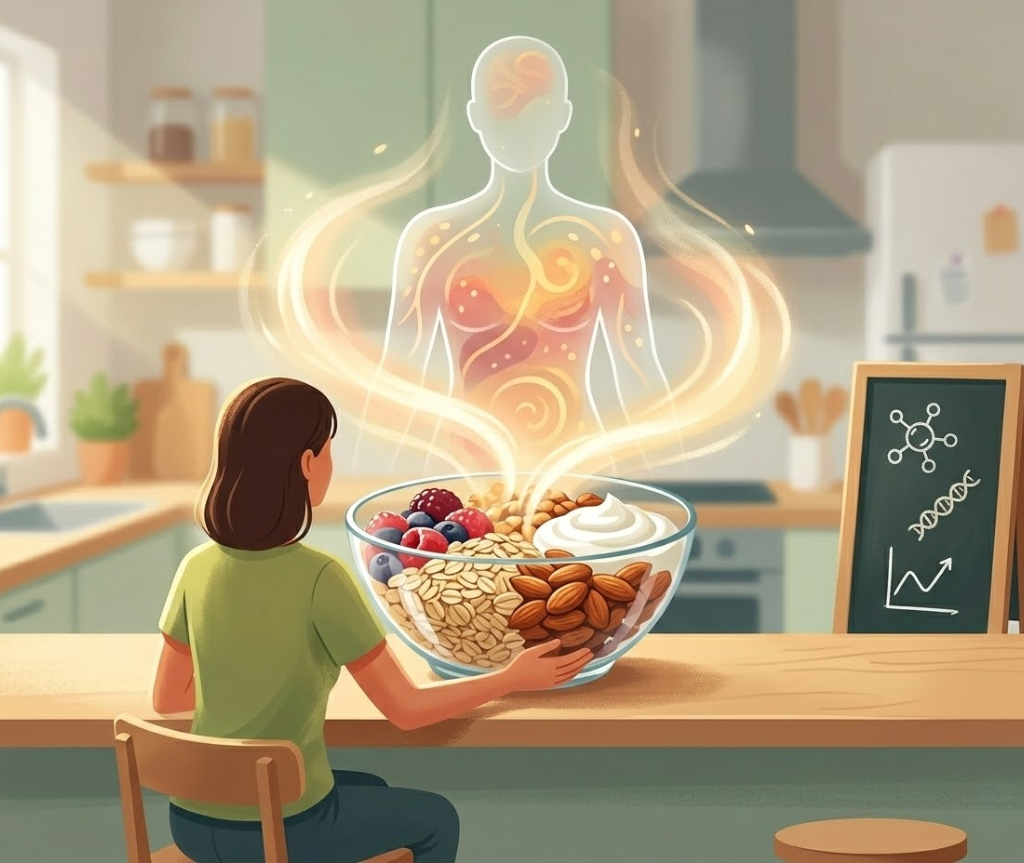
A simple daily approach might include a protein and fiber breakfast like oats with Greek yogurt and berries, starting lunch and dinner with salad or vegetable soup 10-15 minutes before your main dish, drinking 1.5-2 liters of water throughout the day, and choosing high-fiber snacks like an apple with almond butter or a handful of nuts.
This daily framework supports weight loss without weight loss medicines through consistent, manageable habits that build over time.
Is This Approach Safe for Everyone?
These strategies for weight loss without weight loss medicines are generally safe for most adults, but caution is needed if you have IBS, inflammatory bowel disease, diverticulitis, or a history of gut surgery.
Start very slowly with fiber if you have sensitive digestion. If you take diabetes medications, monitor your blood sugar, as dietary strategies may lower it. If you take blood pressure medications, be aware that fiber can affect the timing of medication absorption.
If you have existing digestive conditions or take medications for diabetes, blood pressure, or other chronic conditions, discuss significant dietary changes with your doctor first. They can help you adjust your approach safely.
Moving Forward with Food-Based Hunger Control
Weight loss without weight-loss medicines is possible through strategic food choices that align with your body’s natural hunger signals. Food-based approaches won’t replicate the dramatic results of GLP-1 medications like Wegovy or Mounjaro, but they offer sustainable, side-effect-free support for appetite control and gradual weight management.
The key is consistency and patience. These strategies work gradually as your gut bacteria adjust and your habits solidify. Focus on what you can add—fiber, protein, strategic timing—rather than what you must eliminate.
Small, sustainable changes compound over time into meaningful improvements in how full you feel and how well you manage cravings. Whether you choose food alone, medications, or a combination, understanding how your gut communicates with your brain gives you more control over your eating patterns.