
The Paleo diet, sometimes called the caveman diet, takes you back to basics. You eat foods that early humans could hunt or gather. You skip foods that only became common after farming began, such as grains, legumes, and dairy.
The reasoning is simple: our bodies evolved to eat certain foods over thousands of years. Modern processed foods and refined grains are relatively new. Some people feel better when they eat more like our ancestors did.
But does eating like a caveman actually work in modern life? Here’s what the diet involves, what you can expect, and whether this approach makes sense for you.
Key InsightThe Paleo diet is based on foods early humans could hunt or gather, including lean meats, fish, fruits, vegetables, nuts, and seeds. You avoid grains, legumes, dairy, and processed foods that appeared after farming began. The idea is that our bodies work better when we eat foods similar to those our ancestors ate. Many people notice better weight management, steadier energy, and fewer cravings when they cut out processed foods. But the diet can be expensive, time-consuming, and hard to follow in social situations. You need to plan carefully to avoid missing out on nutrients like calcium and B vitamins when you eliminate certain food groups. |
What the Paleo Diet Actually Is
The Paleo diet focuses on whole, unprocessed foods. Rather than counting calories or tracking nutrients, you focus on food quality. If a caveman couldn’t eat it, neither should you.
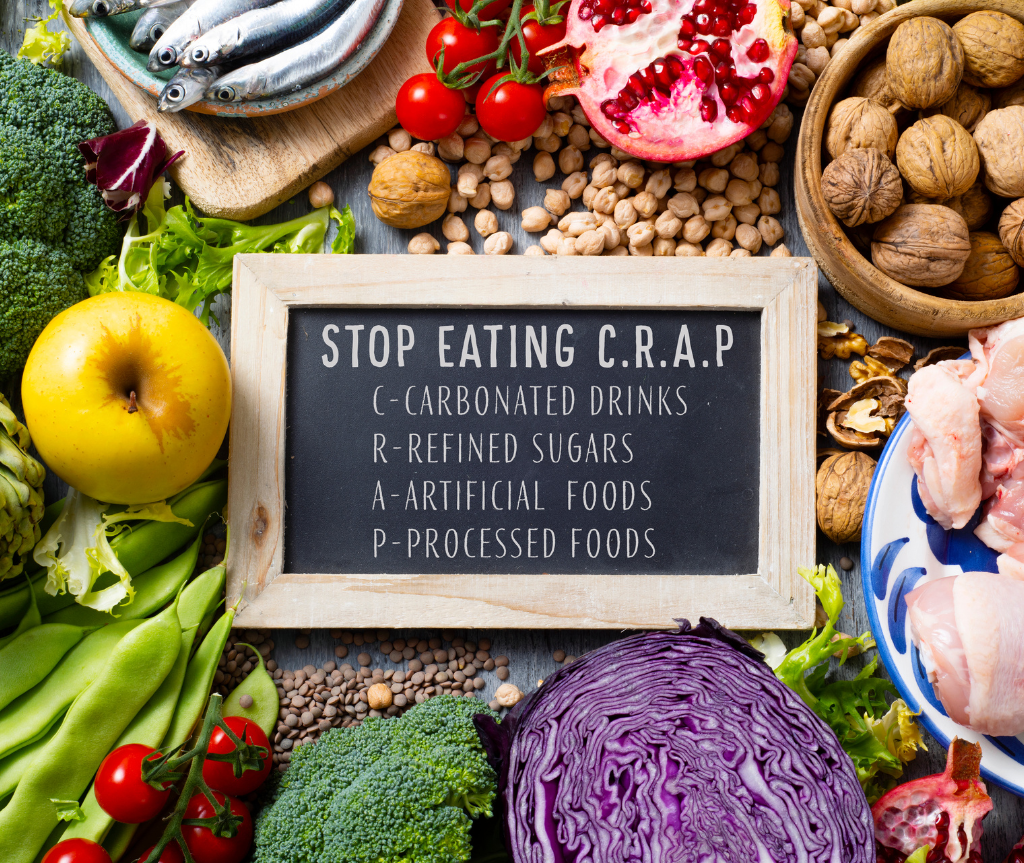
This means you eat lots of meat, fish, vegetables, fruits, nuts, and seeds. You avoid grains, legumes, dairy, refined sugar, and any processed or packaged foods.
The Paleo diet became popular in the 1970s, but the basic idea goes back much further. Supporters believe our digestive systems haven’t adapted to the foods produced by modern agriculture. Whether that’s scientifically accurate is debatable, but the practical effect is clear: you end up eating fewer processed foods.
Common Variations of Paleo
There are several ways to follow Paleo today. Some are stricter than others.
Standard Paleo sticks to the main rules but lets you have non-Paleo foods occasionally. This approach recognizes that perfect adherence isn’t always possible or necessary. Most people following Paleo use this flexible approach.
Primal Paleo allows full-fat dairy and is more relaxed about saturated fats. If you tolerate dairy well, this version considers it fine to include. Some people find this easier to maintain long-term.
Strict Paleo follows the original idea most closely. You cut out all grains, legumes, dairy, and processed foods completely. This version tries to match a hunter-gatherer diet as closely as possible in the modern world.
There isn’t one right way to do Paleo. The best approach depends on your health goals, food preferences, and lifestyle.
What to Eat on the Paleo Diet
The Paleo diet makes it clear which foods to focus on and which to skip.
Foods you emphasize:
- Grass-fed meats and wild-caught fish (especially fatty fish like salmon and sardines)
- Fresh fruits and vegetables in a variety of colors
- Nuts and seeds (almonds, walnuts, sunflower seeds, pumpkin seeds)
- Healthy fats from avocado, olive oil, and coconut oil
- Eggs from pasture-raised chickens, when possible
Foods you avoid:
- All grains (wheat, rice, oats, barley, corn)
- Legumes (beans, lentils, peanuts, soy)
- Dairy products (milk, cheese, yogurt) unless following a Primal variation
- Refined sugars and processed foods
- Vegetable oils high in omega-6 fatty acids (corn oil, soybean oil)
- Artificial sweeteners and additives
This diet cuts out most packaged and highly processed foods. Grocery shopping gets easier once you adjust. You spend most of your time in the produce and meat sections.
Potential Health Benefits
Switching to a Paleo diet can lead to several changes in how your body works.
Weight management often improves. Protein and fiber from whole foods increase satiety. You feel fuller longer and have fewer cravings for processed snacks. Many people naturally eat fewer calories without feeling hungry.
Your nutrient intake typically increases. When you eat more vegetables, fruits, nuts, and quality proteins, you get a broader range of vitamins, minerals, and antioxidants than a typical Western diet provides.
Blood sugar control may improve. The diet eliminates refined sugars and processed carbohydrates. Some people with prediabetes or insulin resistance notice more stable energy levels throughout the day. The blood sugar spikes and crashes from refined carbs disappear.
Heart health markers can improve for some people. The emphasis on lean proteins and unsaturated fats from nuts, seeds, and fish can help. However, individual responses vary significantly based on which foods you emphasize. Eating lots of red meat might not improve your cholesterol.
Inflammation may decrease. Some people report feeling better after eliminating common allergens and inflammatory processed ingredients. Joint pain or digestive issues sometimes improve. But individual results vary widely.
These benefits aren’t guaranteed. They depend on how you implement the diet and your individual body chemistry.
Practical Challenges to Consider
Every diet has practical considerations. Here’s what you might face with Paleo.
Whole foods often cost more than processed ones. Grass-fed meats and organic produce are expensive. You might need to significantly adjust your grocery budget. Shopping at farmers’ markets or buying in bulk can help, but costs add up.
Cooking most meals from scratch takes time. You can’t rely on quick packaged meals or takeout as easily. This can feel overwhelming at first, especially with a busy schedule. Meal prep becomes essential.
Social situations can be tricky. Restaurants, family meals, and work gatherings often don’t fit Paleo rules. You might need to plan ahead, bring your own food, or accept occasional non-Paleo meals. This can create social awkwardness.
You could miss important nutrients. If you cut out grains, legumes, and dairy without finding good replacements, you might fall short on calcium, vitamin D, and B vitamins. You need to get these nutrients from other sources or consider supplements.
It’s hard to adapt for vegetarians. Paleo relies heavily on animal proteins. If you eat mostly plants, getting enough protein becomes very challenging. Some people try Pegan eating (Paleo-vegan hybrid), but it requires careful planning.
Environmental concerns exist. Eating lots of meat has a bigger carbon footprint than plant-based diets. This might conflict with your sustainability values. Choosing sustainable seafood and local meats can help, but doesn’t eliminate the issue entirely.
Health Risks and Cautions
Paleo is safe for most people. But problems can arise if the diet becomes too unbalanced or strict.
Bone health can suffer. Calcium and vitamin D intake may drop too low from avoiding dairy. You need adequate replacement from leafy greens, fish with bones, fortified foods, or supplements. Without these, bone density could decrease over time.
Cholesterol levels may increase in some people. Particularly LDL cholesterol if you eat large amounts of red meat and saturated fat. Individual responses vary widely. Some people see improvements, others see their cholesterol rise. Regular blood tests help monitor this.
High meat consumption carries some risks. Red and processed meats may increase the risk of certain cancers, such as colon cancer, when consumed in large amounts. Balancing meat with plenty of plant foods helps moderate this concern.
Micronutrient deficiencies can develop. Particularly in magnesium, selenium, and B vitamins, if grain and legume elimination isn’t offset by diverse vegetables and nuts. Variety becomes crucial.
Medication adjustments may be needed. If you have diabetes and take medication, your blood sugar might drop as you eat fewer carbs. Your medication may need adjustment. Talk to your doctor before starting. People with kidney disease should also consult their doctor before significantly increasing their protein intake.
Is the Paleo Diet Right for You?
The Paleo diet can be a good fit for some people and situations. But it doesn’t work for everyone.
You might do well on Paleo if you:
- Like cooking from scratch
- Want clear eating rules without counting calories
- Aim to cut out processed foods
- Prefer animal proteins to plant proteins
- Have time and budget for whole food shopping and preparation
- Feel better eating fewer grains and legumes
You might struggle with Paleo if you:
- Eat mostly plants or are vegetarian/vegan
- Don’t have much time to cook
- Need nutrients usually found in grains or dairy
- Are on a tight budget
- Have social or work commitments that make strict eating difficult
- Have certain health conditions affecting protein or fat metabolism
If you have health issues affecting bone health, cholesterol, or kidney function, get professional advice first. A dietitian can help you adjust the diet or find a better option for your needs.
Making It Work for You
The Paleo diet is about eating whole, minimally processed foods. By choosing lean proteins, colorful fruits and vegetables, and healthy fats while cutting out grains, legumes, and dairy, you end up eating fewer processed foods and added sugars.
Many people find they have more energy, manage their weight better, and see health improvements. But because the diet is restrictive, you need to plan carefully to avoid missing nutrients. It can also be expensive and time-consuming.
You don’t have to follow Paleo perfectly. The main thing is finding which whole foods help you feel your best. Build an eating plan that works for you. Some people stick to strict Paleo. Others use it temporarily or take a more flexible approach.
Start by making gradual changes rather than overhauling everything at once. Try replacing processed snacks with nuts and fruit. Swap refined grains for more vegetables. See how you feel after a few weeks.
Pay attention to your energy levels, digestion, and overall well-being. If you feel great, keep going. If you feel deprived or notice health issues, adjust your approach. There’s no prize for being the strictest Paleo follower.
Your diet should fit your health goals and your everyday life. If Paleo gives you that balance, it can be a helpful framework. If not, take the parts that work and adjust the rest to suit your needs.