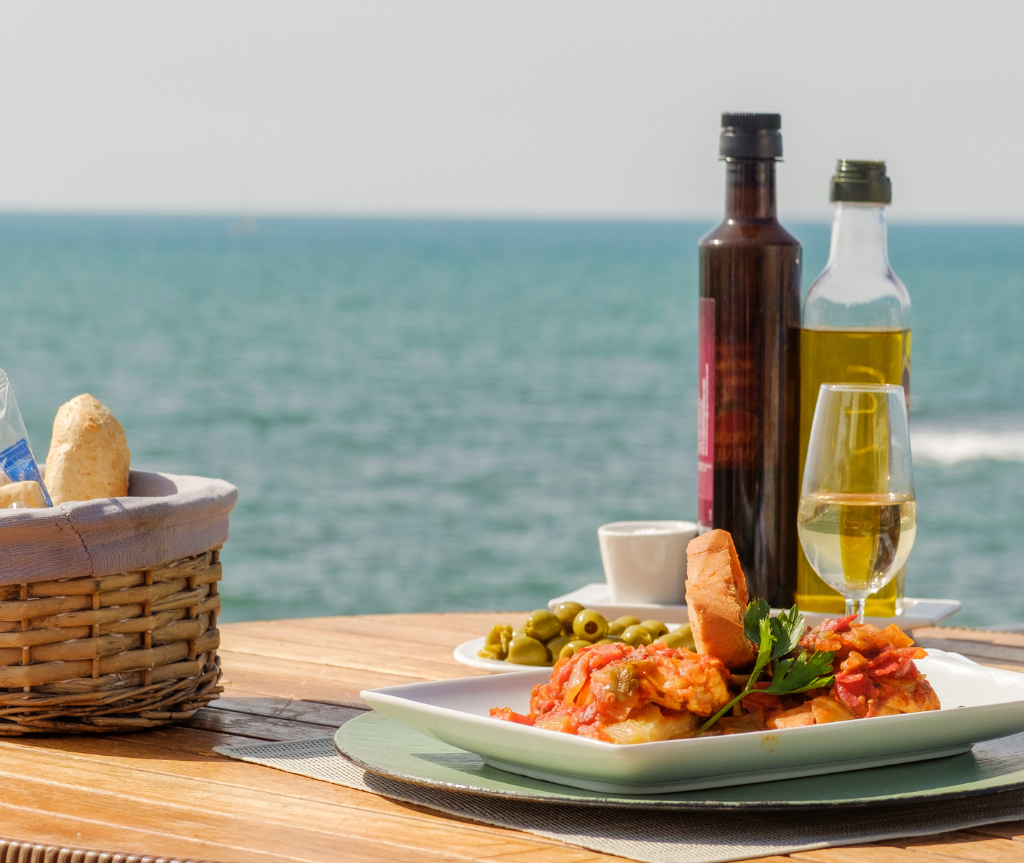

Heart disease kills more people worldwide than any other condition. Yet populations living around the Mediterranean Sea have far lower rates of heart attacks and strokes, even though their traditional diets include plenty of fat.
The key difference is the types of fats they eat and how their foods work together. Decades of research show that the Mediterranean diet is one of the best ways to protect your heart without giving up flavor.
This isn’t about restriction or bland diet food. It’s about building your meals around olive oil, colorful vegetables, fatty fish, whole grains, and nuts. The evidence is clear, the food tastes genuinely good, and the heart protection is real.
Your heart reacts to what you eat over time. Even small changes in your diet can make a big difference for your heart health. Here’s what happens in your body when you switch to this way of eating, and how you can get started.
Key InsightThe Mediterranean diet can lower your risk of heart disease by about 30%. It helps reduce inflammation, improve cholesterol levels, and keep your blood vessels healthy. This way of eating focuses on olive oil, fish, vegetables, whole grains, nuts, and legumes, rather than cutting out foods. Unlike many heart-healthy diets, it tastes good and doesn’t eliminate entire food groups. You can start seeing benefits within weeks, no matter your age. |
The Research That Changed Everything
In the 1960s, researchers noticed something interesting: heart attack rates varied widely across countries. Some places had many cases, while others had very few.
To find out why, scientists started the Seven Countries Study. On the Greek island of Crete, people ate a lot of fat from olive oil, nuts, fish, and cheese, yet heart disease was still rare.
At the same time, people in the US and Northern Europe ate less fat but had more heart attacks. This was unexpected and made experts rethink what they knew about fat and heart health.
Years later, Spanish researchers wanted stronger modern evidence. They created the PREDIMED trial, a large study with thousands of adults at high risk for heart problems.
Some participants followed a Mediterranean-style diet rich in olive oil, nuts, vegetables, and fish. Others stuck to a standard low-fat diet recommended by doctors at the time.
The results were so clear that researchers ended the study early. People who ate the Mediterranean way had about a 30% lower risk of heart attack, stroke, or death from heart disease. Even those with diabetes, high blood pressure, or other risks were protected.
Scientists have reviewed many studies to determine whether these results are consistent across different groups. They are. People who eat this way have a 24% lower risk of heart disease and a 23% lower risk of dying from any cause.
This way of eating has been studied more than almost any other diet. It works for people of all ages.
1. It Calms Inflammation Throughout Your Body
Chronic inflammation drives heart disease. Think of it as an ongoing irritation in your blood vessels that makes cholesterol more likely to stick and form blockages.
Foods such as extra-virgin olive oil, berries, leafy greens, and walnuts are rich in antioxidants and polyphenols. These help reduce inflammation before it can harm your arteries. This is a big reason why the Mediterranean diet is so good for your heart.
You can’t feel inflammation as it happens. It’s silent and invisible, but over time, it harms the lining of your arteries. The Mediterranean diet helps by giving your body anti-inflammatory nutrients with every meal.
Your body’s inflammation markers, which doctors can check with blood tests, usually drop within weeks of starting this diet. These changes often happen faster than people expect.
2. Your Cholesterol Balance Improves
Cholesterol can be confusing, so here’s a simple explanation. HDL cholesterol, the helpful kind, removes extra cholesterol from your blood and carries it to your liver. LDL cholesterol, the less healthy kind, can build up in your arteries if it gets too high. lowering your LDL and triglycerides, another type of blood fat. This combination keeps your arteries clearer and your blood flowing more easily.
The kind of fat you eat matters more than how much. Olive oil, nuts, and fatty fish have fats that help your cholesterol. Processed foods, fried foods, and fatty meats have the opposite effect. When you make these swaps, your cholesterol can improve quickly.
Many people see their LDL cholesterol drop by 10-15% in a few months. Some are able to lower or stop their cholesterol medicine after following this diet for a while. Always talk to your doctor before making any changes to your medication.
2. Blood Pressure Drops Naturally
High blood pressure slowly harms your arteries, even if you feel fine. It’s called the “silent killer” because you can have high blood pressure and not notice any symptoms.
The Mediterranean diet often lowers blood pressure without medicine. Potassium-rich fruits and vegetables, fiber from whole grains, and healthy fats replace salty processed foods. Over time, both your top and bottom blood pressure numbers usually go down.
This happens partly because you eat less sodium and more potassium. It also works because the diet reduces inflammation and helps your blood vessels relax. All these factors work together.
Many people see their blood pressure improve within three to four weeks of starting this diet. The benefits keep growing as your heart and blood vessels get healthier.
3. Your Blood Vessels Stay Flexible
Healthy arteries need to expand and contract smoothly as blood flows through them. Stiff arteries make your heart work harder and increase your risk of clots. This stiffness develops gradually as you age, but diet can speed it up or slow it down dramatically.
Foods like olive oil, fatty fish, and dark leafy greens help your blood vessels stay flexible. This flexibility lowers your risk of heart attacks and strokes because blood can flow easily without building up pressure.
You can think of your arteries like garden hoses. Flexible hoses let water flow easily, but stiff hoses can crack under pressure. The Mediterranean diet helps keep your arteries flexible for longer.
This benefit is especially important as you get older. Stiff arteries are a major reason heart disease risk increases with age. The Mediterranean diet can significantly slow this process.
4. Blood Sugar Stays More Stable
The Mediterranean diet helps your body better use insulin. Insulin is the hormone that manages your blood sugar. When your cells respond well to insulin, your blood sugar stays steady all day.
This way of eating also helps reduce belly fat, which is closely linked to heart disease. Belly fat releases inflammatory substances that can harm your heart and blood vessels.
Together, all these effects lower your risk of metabolic syndrome. This is a group of problems, such as high blood sugar, excess belly fat, high blood pressure, and unhealthy cholesterol.
Having metabolic syndrome greatly raises your risk of heart disease. Even if you don’t have diabetes, stable blood sugar levels matter for heart health. Blood sugar spikes and crashes create inflammation and stress your cardiovascular system. The fiber and healthy fats in the Mediterranean diet prevent these swings.
What You Actually Eat
The real benefit isn’t from any single superfood. It’s from how simple, whole foods work together in your meals.
The foundation of most meals:
Use extra virgin olive oil as your main fat. Add it generously to your cooking and salads. It’s full of healthy monounsaturated fats and protective nutrients.
- Eat fruits and vegetables in as many colors as you can. Each color has different protective nutrients. Try to include a variety throughout the week.
- Choose whole grains like brown rice, oats, quinoa, and whole-grain bread. These give you fiber that helps keep your blood sugar steady and your gut healthy.
- Eat legumes like chickpeas, lentils, and white beans. They provide protein and fiber without the saturated fat found in meat.
- Nuts and seeds including almonds, walnuts, and sunflower sInclude nuts and seeds such as almonds, walnuts, and sunflower seeds. Eating a handful each day gives you healthy fats and helps reduce inflammation. Look for omega-3 fatty acids. Salmon, sardines, mackerel, and anchovies are especially good choices.
- Have moderate amounts of dairy, such as Greek yogurt, feta, or a small amount of cheese. Fermented dairy may be easier to digest.
- Use herbs and spices like basil, oregano, garlic, and cumin. They add flavor without salt and have their own anti-inflammatory benefits.
Occasional treats:
- Red wine with meals is optional and not needed for heart benefits. If you choose to drink it, keep the amount small.
- Eat poultry and eggs in moderate amounts, a few times a week.
- Have red meat only rarely and in small amounts, such as once or twice a month instead of every week.
What you’ll naturally eat less of:
Eat less processed food, added sugar, and refined grains. These foods increase inflammation and harm your heart and blood vessels.
This way of eating helps you choose foods that protect your heart and naturally steers you away from foods that clog arteries or raise blood sugar.
Small Changes Add Up Fast
You don’t have to change everything at once. The Mediterranean diet works because you can start slowly and make changes over time.
Start with small swaps. Use olive oil instead of butter when you cook. Add a handful of walnuts to your breakfast. Choose grilled salmon over steak once this week. Toss extra vegetables into your pasta.
Every small change helps. Your body benefits from steady habits, not perfection. One Mediterranean meal won’t change your health, but three or four a week can make a real difference. Eating this way most days gives you the full benefit.
Many people worry about the cost, but this eating pattern doesn’t have to be expensive. Canned fish works just as well as fresh. Frozen vegetables are just as nutritious as fresh ones. Dried beans and lentils cost almost nothing. Olive oil seems pricey upfront, but it lasts a long time.
The real question isn’t if you can afford to eat this way, but if you can afford not to, considering the health, quality of life, and medical costs of heart disease.
When You’ll Notice the Difference
Some benefits appear quickly, while others take longer. Here’s what you can expect.
- Within 2-3 weeks, you’ll likely notice more stable energy throughout the day. Blood sugar swings decrease, which means fewer afternoon crashes.
- After four to six weeks, your blood pressure may start to go down if it was high. Inflammation markers in your blood usually improve during this time as well.
- Within three months, your cholesterol levels often improve. Many people see their LDL go down and their HDL go up during this time.
- After six to twelve months, the benefits become clear. Your heart and blood vessels work better, and your risk of heart attack and stroke drops a lot.
The longer you stick with this way of eating, the more protection you get. The Mediterranean diet isn’t a quick fix—it’s a lasting way to keep your heart healthy.
This Works for Real Life
Decades of research show that eating Mediterranean-style is one of the best ways to lower your risk of heart disease, stroke, and early death from heart problems. The evidence is stronger than for almost any medicine or supplement.
You don’t have to be perfect—progress is what matters. You don’t need to eat this way all the time to see benefits. Even making 60-70% of your meals Mediterranean-style can protect your heart.
This way of eating works in real life. You can do it at restaurants, on a budget, and with kids at home. It doesn’t require special tools, rare ingredients, or much time to prepare. Art responds to what you feed it consistently over time. When you make the Mediterranean diet for heart health a regular part of how you eat—enjoying your meals and nourishing your body at the same time—you’re not just improving lab results.
You’re protecting your heart with every meal, and you’re doing it with food that actually tastes good—not bland health food you have to force down. That’s the kind of change that lasts.