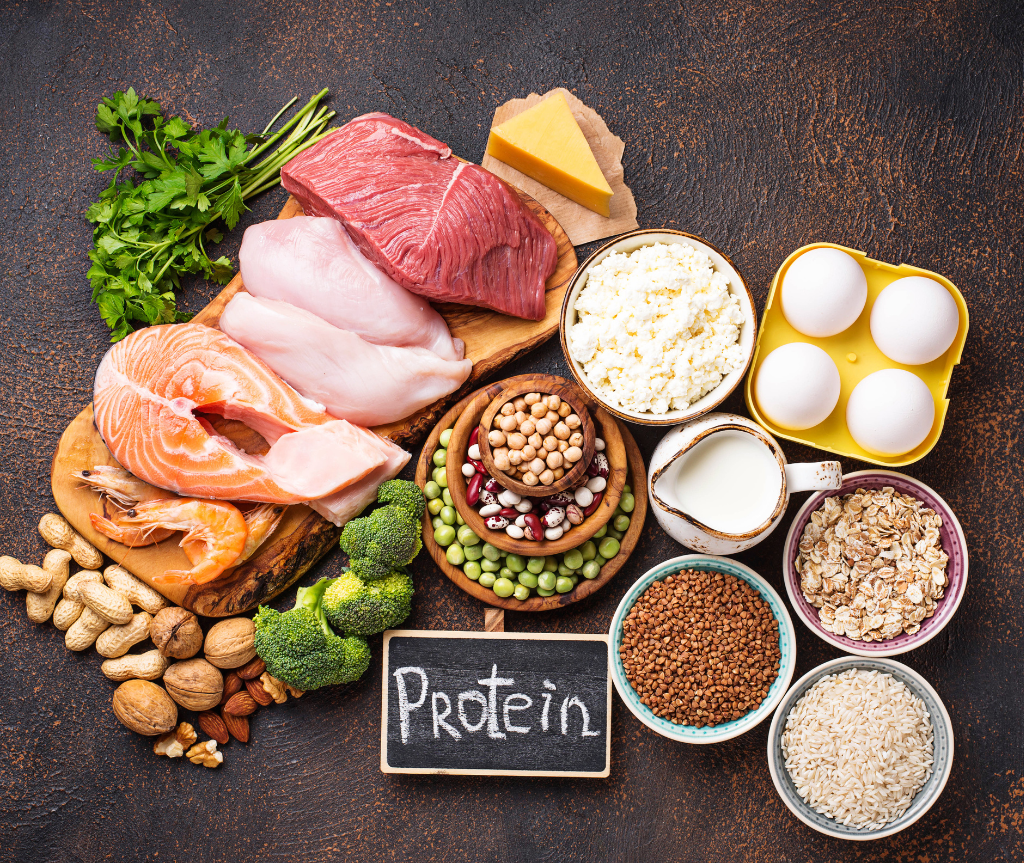

Most of us hit a slump at some point in the day. Energy dips, focus fades, and things feel harder than they should. Food plays a real part in that. Protein is one nutrient that makes a big difference. It slows digestion, steadies blood sugar, and keeps you fuller for longer. So the question is not really whether to eat more protein. It is determining which high-protein foods are actually worth it.
What to Look For in High-Protein Foods
Not all high-protein foods are equal. Some come loaded with fat or sodium. Others are so heavily processed that the original food is hard to spot. The best sources provide protein along with something useful, like healthy fats, fiber, or minerals. They should not add many extras that your body does not need.
The other thing worth knowing is completeness. Protein is made up of amino acids. Some foods contain all nine essential ones that your body cannot produce. These are called complete proteins. Others contain only some. That is fine if your meals are varied. But it is worth knowing, especially if most of your protein comes from plants.
With that in mind, here are the ten sources that consistently deliver.
The Animal-Based Sources That Earn Their Place
1. Chicken Breast
Chicken breast is one of the most protein-dense foods you can buy, and it is lean. A 100g serving contains about 32 g of protein and very little fat. It is also a complete protein. That means your body gets all the essential amino acids it needs from a single source.
The only downside is flavor. Plain chicken breast is bland without effort. But that is also what makes it practical. It picks up whatever you cook it with. Grill it with herbs, bake it in a light sauce, or slice it cold over a salad. Cooking an extra portion saves you time on tomorrow’s lunch.
2. Salmon
Salmon earns its reputation. A standard fillet gives you around 36 grams of protein, plus a solid dose of omega-3 fatty acids. These fats support heart health, reduce inflammation, and support brain function. Few foods deliver that combination in one serving.
Roast it with lemon and a little olive oil, or flake it into a grain bowl with greens. Tinned salmon is just as nutritious as fresh. It is also considerably cheaper, which makes it a practical choice if you want more fish in your diet.
3. Eggs
Eggs are complete proteins, affordable, and as versatile as food gets. Per 100g, they provide about 13 g of protein. They also carry a useful mix of B vitamins, choline for brain health, and vitamin D.
Hard-boiled eggs kept in the fridge are one of the easiest protein-rich snacks going. No prep needed. Scrambled, poached, baked into a frittata, or folded into a bowl, eggs fit into almost any meal.
4. Tuna
Tinned tuna is a practical standby. Per 100g, it delivers about 29g of protein and a good amount of omega-3 fatty acids. No cooking required. It keeps in the pantry for months and works in salads, wraps, or on wholegrain crackers.
If you eat tuna regularly, look for sustainably caught varieties. Pregnant people and those watching mercury intake should check with their doctor on frequency. Some tuna species carry more mercury than others.
5. Lean Beef
A 100g serving of lean beef provides around 20 grams of protein, along with iron and vitamin B12. Both are genuinely useful. Iron supports energy and oxygen transport. B12 is essential for nerve function and healthy red blood cells.
The word lean matters. Cuts like sirloin, tenderloin, or eye of round keep the saturated fat low. Eat lean beef a couple of times a week alongside vegetables and whole grains. It fits comfortably into a balanced diet that way.
6. Cottage Cheese
Cottage cheese does not get much attention, but it should. A half-cup provides around 14 grams of protein and a good amount of calcium for bone strength. It is also a strong source of casein protein. Casein digests slowly, which helps you stay full longer.
The flavor is mild and slightly tangy. Pair it with fruit for a quick snack. Or use it as a base for dips and blend it into smoothies for a creamy boost.
7. Greek Yogurt
Greek yogurt delivers around 13 grams of protein per 130ml serving, plus live cultures that support gut health. It is thicker than regular yogurt because of an extra straining step. That process removes more liquid whey, concentrating the protein.
Choose plain, unsweetened varieties when you can. Flavored versions often contain significant added sugar, which offsets the benefit. A spoonful of honey or some fresh berries is all it needs.
The Plant-Based Sources That Actually Deliver
8. Lentils
Lentils are among the most protein-rich plant foods available. One 100g dry serving provides approximately 25 grams of protein, along with fiber, folate, and iron. They are also inexpensive and keep well in the cupboard.
On their own, lentils are not a complete protein. They are lower in one amino acid called methionine. Eating them with grains like rice or bread throughout the day takes care of that. No need to plan it meal by meal. Your body pools the protein it gets throughout the day.
Lentils absorb flavor well and work in soups, dals, curries, and warm salads. They cook in 20 to 30 minutes and need no soaking.
9. Quinoa
Quinoa is one of the few plant foods that counts as a complete protein. Each serving provides about 13 grams, along with fiber and minerals such as magnesium and zinc. It is also gluten-free, making it a solid grain alternative for those who avoid gluten.
The texture is light and slightly nutty. It cooks in around 15 minutes. Use it as a base for grain bowls or mix it with chickpeas and roasted vegetables. It also bulks out soups well.
10. Almonds
Almonds sit at the higher end of the nut spectrum for protein, around 21 grams per 100g. They also carry healthy fats and vitamin E. As a snack, they need no prep, travel well, and keep you full without spiking blood sugar.
A small handful, around 30g, is a reasonable portion. That gives you roughly 6 grams of protein, along with fiber and fats that slow digestion. Almond butter on wholegrain toast is another easy way to fit them in.
Adding high-protein foods works best when you spread them across meals. Piling protein into one sitting is less effective than eating some at every meal. Breakfast is where most people fall short. Toast and cereal tend to be low in protein, which is one reason energy dips mid-morning. Adding eggs, Greek yogurt, or a handful of nuts can make a real difference before lunch.
It is also worth thinking about what you are replacing. Processed meats like sausages and cured ham look good on paper, but they come with high sodium and preservatives. Fried chicken adds unnecessary fat. Full-fat dairy contributes saturated fat. And high-mercury fish like swordfish should be limited. Lower-mercury options like salmon, sardines, and tinned tuna do the same job more safely.
Most adults need between 0.8 and 1.2 grams of protein per kilogram of body weight each day. That goes up with age and activity level. If you are over 60 or exercise regularly, aim for the higher end of that range. People with kidney concerns should check with their doctor first, as higher amounts can strain the kidneys in certain conditions.
Small Shifts, Noticeable Results
None of this requires a dramatic overhaul. Pick one meal where protein is usually low and swap in one of these high-protein foods. Greek yogurt at breakfast. Lentils in your soup. Tinned salmon on a quick weekday salad. Those are not big changes, but they add up.
Protein is not just for people who train hard or track macros. It is a basic requirement for energy, repair, and feeling steady throughout the day. Start with whatever fits most easily into what you already eat, and build from there.