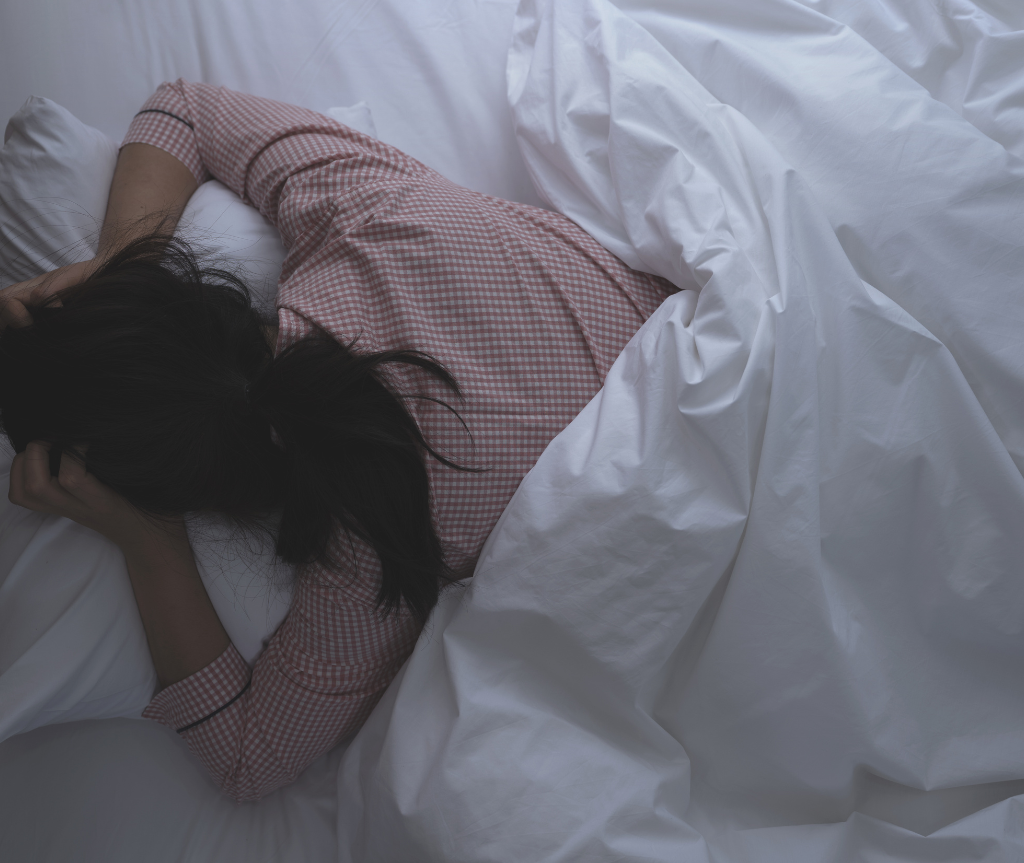

Sometimes you feel so tired, but sleep just won’t come. You get into bed worn out, but your mind starts buzzing. It’s not loud, just a steady stream of thoughts that won’t quiet down. You think about things you said, things you need to do, and worries that seem bigger at night than they will in the morning. You end up lying there, and soon the act of waiting for sleep becomes its own problem.
If this feels familiar, you might be stuck in the cycle of sleep problems and anxiety. Each one makes the other worse, night after night. Many people notice trouble sleeping and feeling anxious, but don’t realize how connected they are. Once you understand how the cycle works, you can begin to break it.
What a Bad Night Does to Your Brain the Next Day
A bad night’s sleep doesn’t just make you tired. It also affects how your brain deals with everything the next day.
After a sleepless night, the amygdala—the part of your brain that senses threats and triggers emotions—becomes much more sensitive. This means stressful conversations or a long to-do list can feel even more overwhelming. Meanwhile, the prefrontal cortex, which helps you keep things in perspective and calm down, becomes less active. Brain scans show that the link between these two areas weakens when you don’t get enough sleep. As a result, your emotions can feel stronger, and they’re harder to control.
Not sleeping well also raises your cortisol levels. Cortisol is the main stress hormone in your body, and just one night of poor sleep can increase it by about 37% in the evening. High cortisol keeps you tense and alert, which makes anxiety worse. You wake up already stressed, so everything really does feel more difficult.
These effects add up quickly. After just a few nights of poor sleep, you become less patient and more irritable. Anxiety that seemed manageable when you were rested can start to feel overwhelming. Many people stay stuck in this cycle for weeks before they realize what’s happening.
Why Anxiety Makes Sleep So Hard to Reach
To fall asleep, your body needs to be calm and cool. Your temperature should drop a little, your heart rate should slow down, and your brain should shift from an active state to a quieter one.
Anxiety does the opposite. It triggers your stress response and raises cortisol right when you need to relax. It also keeps your mind busy, making it almost impossible for your body to relax.
Racing thoughts make things worse. When your mind keeps going over the day, it stays alert, and an alert brain can’t fall asleep. The tough part is that the more you try to force sleep, the more awake you feel. Trying too hard actually keeps you up.
The cycle goes both ways. Long-term studies show that insomnia and anxiety can each lead to the other, which is why the pattern is so hard to break. For some people, this turns into sleep anxiety—a specific worry about not being able to sleep. The bed stops feeling restful and instead becomes a place where you expect to struggle every night.
The ways we try to cope can actually make things worse. Napping in the afternoon reduces the sleepiness you need at night. Sleeping in on weekends can shift your body clock and make the next week harder. Drinking extra caffeine delays bedtime, and using your phone in bed adds stimulation when you need to wind down. These habits are understandable, but they keep the cycle going.
What Actually Breaks the Sleep and Anxiety Cycle
You need to address both sleep and anxiety. Improving sleep alone won’t solve the anxiety that causes it, and calming anxiety alone won’t change the sleep habits you’ve developed over time.
Begin by setting a regular schedule. Go to bed and wake up at the same time every day, even on weekends. This consistency helps reset your body clock and rebuilds the natural urge to sleep. At first, the timing is more important than the total hours you sleep.
Next, try to lower stimulation before bedtime. Dim the lights, avoid screens, and skip activities that make your mind race. If you want more tips, our guide to sleeping better naturally covers what works in everyday life.
There’s also a technique called stimulus control, which is simpler than it sounds. Sleep specialists recommend it as a treatment in its own right. The rule: only get into bed when you’re sleepy, and if you’re lying there wide awake, get up. Do something quiet in low light until sleepiness returns, then go back. It teaches your brain that the bed means sleep, not struggle. It feels strange at first, and it’s one of the most effective things you can do.
Caffeine, alcohol, and screens are three things you can easily change.
Stop drinking caffeine after midday, avoid alcohol in the evening, and keep your phone out of the bedroom. Each of these steps removes something that can directly interfere with your sleep.
But these changes don’t address anxiety itself, and that’s important too. If you’ve had trouble sleeping for months, talk to your doctor about Cognitive Behavioral Therapy for Insomnia. This is a short, structured program designed to break the sleep-anxiety cycle, and doctors usually recommend it before trying medication.
The First Thing Worth Changing Tonight
Now you can see why your mind stays busy at night. There’s nothing wrong with your brain, and it’s not just bad luck. Anxiety makes it harder to sleep, and poor sleep makes anxiety worse. The two have been affecting each other for longer than you might have noticed.
Tonight, don’t worry about a complicated routine. Just choose a wake-up time and stick to it tomorrow, no matter how well you sleep.
Waking up at the same time each day is the quickest way to reset your body clock, and it starts working right away.
If poor sleep and anxiety have been eating into your daily life for more than a few weeks, talk to your doctor or a mental health professional sooner rather than later. Talking therapy is widely available and highly effective. You don’t have to stay stuck in the loop.