
Key InsightFibermaxxing is a food-based approach that focuses on eating 30-50 grams of fiber daily. The goal is to trigger your body’s natural fullness hormones. One key hormone here is glucagon-like peptide-1 (GLP-1), the same one that weight loss medications like Wegovy mimic. When your gut bacteria break down certain fiber types, they signal your brain to feel satisfied on fewer calories. You need to build up gradually to avoid digestive discomfort. But stick with it, and you can get real, lasting appetite control through food alone. |
Fibermaxxing is a term you’ll often see alongside glucagon-like peptide-1 (GLP-1) weight-loss medications like Wegovy and Mounjaro. If you’ve come across those medications, you know they work by mimicking a hormone your gut makes naturally. Fibermaxxing applies that same idea to your food choices.
This article explains how it works and which foods matter most for you. It also covers the three rules you need to follow to avoid the bloating that trips up most people.
How Fibermaxxing Triggers Your Fullness Hormones
Fiber does more than just help your digestion. Certain types, particularly fermentable fiber, feed beneficial bacteria in your lower intestine. When those bacteria break down the fiber in your gut, they produce compounds called short-chain fatty acids.
Those compounds trigger cells in your gut wall to release two key hormones that signal fullness. These are glucagon-like peptide-1 (GLP-1) and peptide YY (PYY). Both tell your brain you’re satisfied and slow down how quickly your stomach empties.
GLP-1 is the same hormone that medications like Wegovy mimic. The difference is that food produces modest, natural increases rather than the concentrated doses you get from these weight loss medications. You won’t get the dramatic appetite suppression that comes with medication. But you do get a real, food-driven signal that helps you feel full on less.
Your blood sugar also stays more stable. That cuts down on the cravings you get an hour or two after eating.
The two fiber types that matter most are the ones your body uses to trigger fullness. Soluble fiber forms a gel in your stomach, slowing digestion. Fermentable fiber feeds the gut bacteria that produce GLP-1 in your system. Many foods contain both types, making them especially good for keeping your appetite in check.
The Best Foods for Fibermaxxing
The most effective foods for fibermaxxing are legumes.
- Black beans give you about 15 grams of fiber per cup.
- Lentils offer around 16 grams,
- Chickpeas offer around 12 grams.
These work well as the base of your main meals and are among the most fiber-dense foods you can eat.
Whole grains are your next priority. Oats provide about 4 grams of fiber per cooked cup, while barley provides about 6 grams. Both are easy to build your breakfast or lunch around.
Seeds are a great way to boost your fiber intake quickly. Two tablespoons of chia seeds give you 10 grams. Ground flaxseeds provide about 8 grams per 2 tablespoons. A tablespoon of psyllium husk adds about 5 grams more. You can stir any of these into your yogurt, smoothies, or oatmeal without much effort.
Vegetables make a consistent contribution throughout your day. Broccoli gives you about 5 grams per cup, and Brussels sprouts around 4 grams. Carrots are a good snack option at about 4 grams per cup. For fruit, raspberries are your best bet at 8 grams per cup. A pear with the skin on gives you about 6 grams, and an apple with skin gives you about 4 grams.
One group worth noting separately is fermentable fiber foods. Slightly green bananas, onions, garlic, and leeks specifically feed the gut bacteria that produce GLP-1 in your system. Your gut bacteria respond particularly well to these, so including them regularly helps your fullness signals stay consistent.
The best approach is to rotate between different sources rather than sticking with just one. Different fibers feed different bacteria, and that variety helps your gut stay active and diverse.
Fermented Foods for Gut Health: What They Are and How to Use Them
What Sets Fibermaxxing Apart from Regular Fiber Advice
Most adults worldwide eat far less fiber than their bodies need. In the US, the average daily intake sits at around 15 grams. Across Europe and Australia, the picture is similar. Yet most major health guidelines recommend 25-38 grams daily, depending on your age and sex.
Fibermaxxing pushes your intake to 30-50 grams daily, but it’s not just about eating more. It focuses on the types of fiber that trigger GLP-1 rather than just any fiber source you happen to eat.
The other thing that sets fibermaxxing apart is timing. The approach uses a fiber-first strategy, where you eat high-fiber foods 10-15 minutes before your main meal. This works especially well before meals high in carbohydrates. Eating fiber first blunts the blood sugar spike from your main meal and extends how long you stay full afterwards.
In practice, this might look like a small salad before pasta or a vegetable soup before a sandwich. A handful of almonds before a rice dish works just as well. You’re not overhauling your meals. You’re just adding something small before them.
That intentional timing, combined with hitting a specific fiber target, is what makes fibermaxxing different from simply eating more whole grains.
Three Rules to Follow When You Start Fibermaxxing
Rule 1: Build Up Slowly
Jumping from 15 grams to 40 grams overnight almost guarantees bloating and cramping.
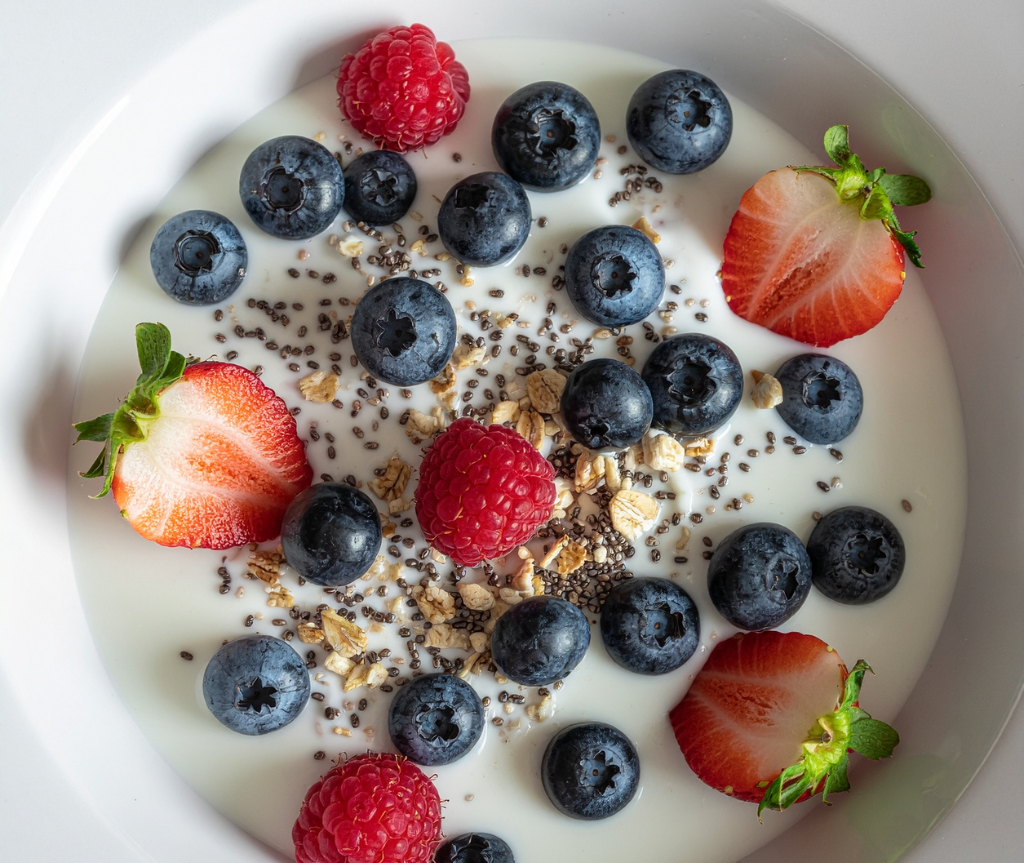
Your gut bacteria need time to adapt to processing more fiber. A good approach is to add one extra serving of beans or lentils in your first week. In week two, switch your breakfast to something fiber-rich like oats with berries. In week three, start stirring chia seeds into your yogurt. Keep building at that pace, adding no more than 5 grams per week.
This gradual approach stops the digestive discomfort that makes most people quit early.
Rule 2: Drink Enough Water
Fiber absorbs water to work properly, so your fluid intake matters just as much as your fiber intake.
Without enough fluid, fiber can make your constipation worse instead of helping. Aim for 1.5-2 liters of water, and you can drink additional drinks such as herbal tea each day. Spread your drinking throughout the day rather than all at once.
This is especially important if you’re adding psyllium husk or other fiber supplements to whole foods.
Rule 3: Mix Your Fiber Sources
Different fibers feed different beneficial bacteria in your gut.
So if you rely on just one food, you’re missing a lot of that diversity. Rotate between legumes, such as beans and lentils, and whole grains, such as oats and barley. Add seeds like chia and flax, plus a range of vegetables and fruit.
That variety builds diversity in your gut microbiome, leading to more consistent GLP-1 production and steadier appetite control.
What to Expect and When
Fibermaxxing produces results gradually, not overnight.
- In your first two weeks, you might notice you feel fuller at meals. Some people get a bit of gas or bloating if they increase fiber too quickly. By weeks three and four, your gut bacteria begin to adapt. Digestive symptoms usually settle down, and your energy throughout the day becomes more consistent.
- Around six to eight weeks in, you’ll start to notice a real reduction in hunger between meals. Cravings become less intense, and eating smaller portions starts to feel more natural rather than a test of willpower.
- After three months of consistent eating, your appetite control should be meaningfully better. Gradual weight loss becomes easier to maintain when your hunger is more stable and predictable.
Realistic expectations are around 0.5-1 kilogram per month. The main benefit is that your appetite becomes easier to manage. That makes it easier to eat a little less without feeling deprived.
GLP-1 medications can produce 10-24% body weight reduction. Food alone won’t get you to that level. But if you want steady, sustainable support for managing your hunger and losing weight gradually, fibermaxxing can genuinely help.
When to Be Careful with High-Fiber Eating
For most healthy adults, fibermaxxing is safe to try. But certain conditions mean you should approach it more carefully.
If you have irritable bowel syndrome (IBS), particularly the type that causes diarrhea or mixed symptoms, certain fermentable fibers can trigger a flare. These are called high-FODMAP foods. FODMAP refers to specific types of carbohydrates that some people’s guts struggle to break down. If this applies to you, start even more slowly and consider working with a dietitian before making big changes.
If you have inflammatory bowel disease (IBD), such as Crohn’s disease or ulcerative colitis, discuss significant increases in fiber with your gastroenterologist first. The type of fiber and your timing both matter for these conditions.
If you take medication for diabetes, eating more fiber can lower your blood sugar. Monitor your levels closely and talk to your GP before making any major changes to your diet.
If you take thyroid medication or certain antibiotics, fiber can affect how well your body absorbs them. Take your medication at least 2 hours after your highest-fiber meals to reduce this risk.
Is Fibermaxxing Worth Trying?
Fibermaxxing is strategic high-fiber eating with a clear goal: triggering your body’s natural appetite hormones through food. The science behind it is solid. Fiber really does boost GLP-1 production through your gut bacteria. High-fiber foods work through appetite control and blood sugar stability, not through deprivation or cutting out foods you enjoy.
It’s worth trying if you want a food-based way to manage your hunger and you’re willing to be patient. Results build over months, not days. You do need to follow the build-up-slowly rule to avoid the digestive discomfort that can derail your progress.
This isn’t a replacement for medical treatment if you have significant obesity. But for most people, it works well as part of a healthy eating pattern you can actually stick to. The foods involved are things your body already needs. Fibermaxxing just gives you a clear target and a good reason to prioritize them.