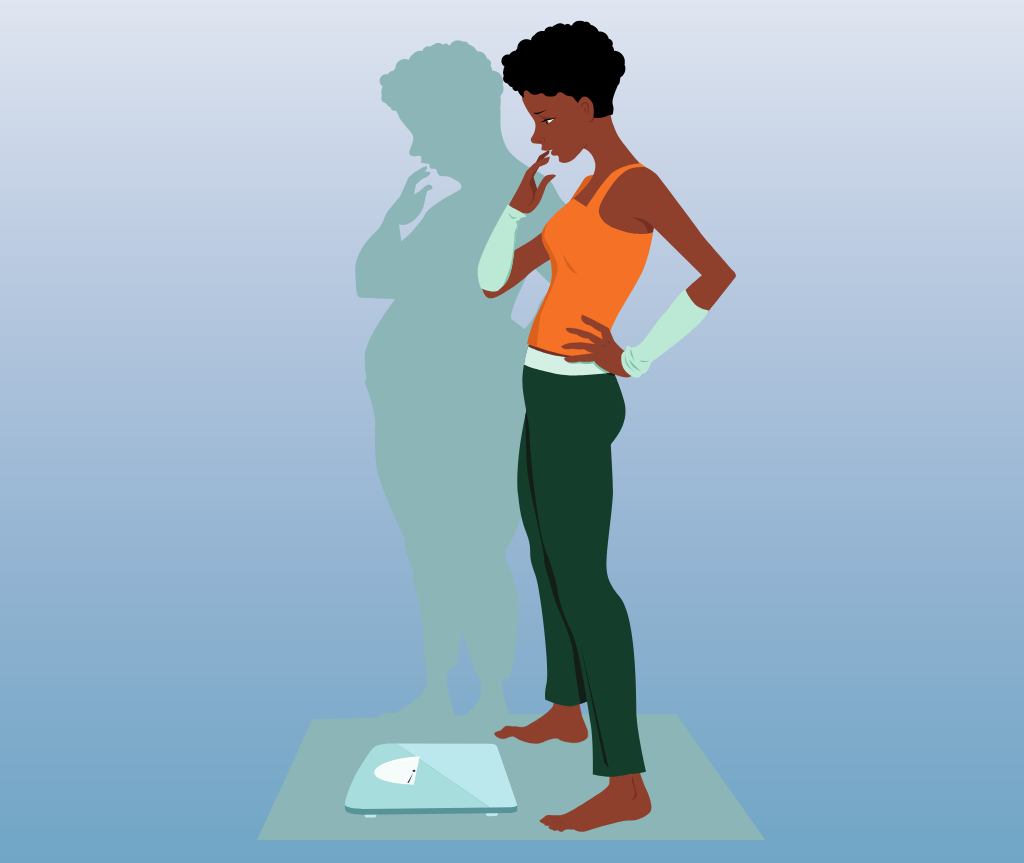

When you start keto, you probably want to step on the scale every morning. That’s completely normal. But here’s the thing: the scale doesn’t tell you much at first.
Your body goes through major metabolic changes when you enter ketosis. Your energy production shifts completely. Your hormones start to balance. Your appetite changes. You begin burning fat efficiently. None of these results in instant weight loss.
It usually takes 2-4 weeks to become “fat-adapted.” During this time, your body is literally learning to make and use ketones for energy instead of glucose. As you adapt, you’ll notice other changes. These are way better indicators than your bathroom scale.
Here are eight signs the keto diet is working, long before the numbers budge.
Key Insight:When you begin keto, the scale often doesn’t move right away. First, your body experiences key changes, such as more stable energy, less hunger, clearer thinking, better blood sugar control, and less bloating. Your clothes may fit better even if your weight stays the same. This is because you’re losing fat but keeping muscle, which is denser than fat. These changes indicate that keto is working, often weeks before you notice weight loss. Most signs show up within 2-4 weeks of starting ketosis. |
1. Steadier Energy Throughout the Day
One of the first signs that keto is working is having steady energy. If you used to feel tired a few hours after eating, that often goes away in the first week or two.
This happens because your main fuel source has changed. On a high-carb diet, your blood sugar rises after eating, then drops as insulin moves glucose into your cells. This cycle leaves you feeling energized, then tired, and craving snacks.
When you burn fat and ketones, your energy stays steady throughout the day. Your blood sugar no longer spikes and crashes. You can go four to six hours between meals without feeling tired or needing snacks.
You might not have endless energy for tough workouts at first, but your daily energy will improve significantly. You wake up refreshed and can stay focused in the afternoon without extra coffee. That usual 3 PM slump often disappears.
2. Less Hunger and Fewer Cravings
If your meals keep you full for hours, your sweet cravings have gone down, and you’re not always thinking about food, keto is working.
Several things help reduce your appetite on keto. Fat and protein fill you up more than carbs, so meals are more satisfying. Stable blood sugar stops sudden hunger after crashes. Ketones also seem to lower ghrelin, the hormone that makes you feel hungry.
Lower insulin levels also help leptin work better. Leptin is the hormone that tells your brain you’re full. When insulin is always high, leptin doesn’t signal properly, so you feel hungry even after eating enough. Keto helps fix this problem.
Many people find that their relationship with food changes. Instead of eating from cravings or sudden hunger, they eat at regular times or when they are truly hungry. This feels freeing and makes it easier to stick with keto long-term.
You stop worrying about your next meal, which can be a big change.
3. Sharper Mental Clarity and Better Focus
After the first adjustment period, which may include some brain fog, most people notice clearer thinking. If your mind feels sharper and you can focus longer, your brain is using ketones well.
Your brain usually relies on glucose, but it can use ketones for up to 70% of its energy needs. Ketones also provide more energy per unit of oxygen than glucose, making them a more efficient fuel for your brain.
Ketones also help protect your brain cells from damage. They reduce oxidative stress, which is like rust for your cells. They may also support the production of Brain-derived neurotrophic factor (BDNF), often described as a fertilizer for the brain, important for learning, memory, and brain health.
Most people notice this mental shift within 2-3 weeks of steady ketosis. Tasks that require focus, like writing, coding, or studying, feel easier. You don’t get mentally tired as quickly, and your brain works better once it adapts to this new fuel.
It can feel like your mind is clearer and more focused.
4. Better Blood Sugar Control
Better blood sugar control is one of the most important signs that keto is working, especially if you have insulin resistance, prediabetes, or type 2 diabetes.
If you check your blood sugar and see lower fasting levels, fewer spikes after meals, and more stable readings during the day, this shows real metabolic improvement.
Keto limits carbs to 20-50 grams per day, which greatly reduces the amount of glucose your body needs to process. Your pancreas doesn’t have to produce as much insulin, and your cells respond better to the insulin you make.
People with type 2 diabetes on keto often see their HbA1c, which is average blood sugar over three months, drop by 1.0-1.5 percentage points within six months. This is a significant medical improvement.
Even if you don’t have diabetes, steady blood sugar is important. It is linked to reduced inflammation, improved heart health, more stable moods, and a lower risk of disease. You may have fewer energy crashes, feel less anxious or irritable, and sleep better. Blood sugar swings can affect all of these areas.
5. Your Clothes Fit Better (Even When Your Weight Doesn’t Change)
A common sign that keto is working is that your body shape changes before your weight does. Your jeans may get looser at the waist, and your shirts fit better, but the scale stays the same.
If this happens, you are losing fat while keeping muscle. Muscle is denser than fat, so when you lose fat but keep muscle, your body becomes smaller and more defined, even if the scale doesn’t change.
Keto, when combined with enough protein, helps you maintain lean muscle while losing fat. This is better than many calorie-restricted diets, which cause the loss of both fat and muscle. Fat loss often starts around your abdomen and waist, so your pants may feel looser before you see changes elsewhere or on the scale.
Take measurements and progress photos to track changes that the scale can’t show. Measure your waist, hips, chest, and thighs every two weeks. You’ll often see real progress that weight alone doesn’t reveal.
The scale can’t tell the difference between fat loss and muscle loss, but your clothes and measurements can. Trust those signs more.
6. Less Bloating and Better Digestion
Many people notice much less bloating, gas, and stomach discomfort. If you used to feel overly full or bloated after meals, or had unpredictable digestion, feeling better now means your digestive system is adjusting well.
Several factors cause this improvement. Eating fewer carbs, especially grains and legumes, reduces intestinal gas. Lower insulin levels also change how your body manages sodium and water. When insulin drops, you lose both sodium and water, which reduces the puffy, bloated feeling common on high-carb diets.
You still need to pay attention to fibre on a keto diet. For long-term success, eat plenty of fibre-rich, low-carb vegetables like leafy greens, broccoli, cauliflower, and avocados. These also help keep your digestion healthy.
If you become constipated instead of seeing better digestion, you may need more vegetables, more water, or a better electrolyte balance. Don’t ignore this; take steps to address it.
7. Better Endurance During Exercise
As your body adapts to burning fat, you’ll notice changes in your workouts. High-intensity exercise might feel harder at first, but your endurance for moderate activities often improves. You may also need to eat less before or during exercise.
This happens because fat adaptation helps your body use fat stores for energy during activity. Once you’re adapted, you can exercise at moderate intensity for longer periods with steady energy, without needing constant carb snacks.
Signs you’re burning more fat during exercise include being able to work out in the morning without breakfast, keeping your energy up during long walks or bike rides without snacks, and recovering faster between sets at the gym.
Be prepared for an adjustment period. In the first 2-4 weeks, your performance in high-intensity activities may drop as your body learns to use ketones. Full adaptation can take 4-12 weeks, depending on your training and how closely you follow the keto diet.
Once you’re adapted, your cardio endurance may improve, and you won’t need to look for quick energy as often.
8. Changes in Breath or Urine Smell
This may not be pleasant to discuss, but it is a clear sign that keto is working. If you notice a sweet, fruity, or metallic taste or smell on your breath, or if your urine smells stronger than usual, it means your ketone levels are higher.
This happens because acetone, one of the three ketone bodies your liver makes, is expelled through your breath and urine. In early ketosis, your body produces more ketones than it can use, so the excess is excreted. This is normal and shows that fat breakdown is increasing.
This effect is usually strongest in the first 1-3 weeks and fades as your body becomes better at using ketones. Drinking plenty of water can help reduce these symptoms.
Some people never notice this, while others notice it strongly. Either way, it is temporary. Don’t let it discourage you or make you think something is wrong. It actually shows that things are working as they should.
Trust the Process, Not Just the Scale
The most reliable signs that keto is working appear before you see major weight loss. In the first 2-4 weeks, you may notice steadier energy, less hunger between meals, clearer thinking, and better blood sugar control. These changes mean your body is burning fat instead of glucose.
You may also feel less bloated, notice your clothes fit better, and see changes in your body’s appearance, even if your weight stays the same. Remember, muscle is denser than fat, so real changes can happen without the scale moving.
These non-scale victories show real progress. They often predict better long-term results than quick weight loss. Your metabolism is improving, your hormones are balancing, and your body is adapting to a new fuel source.
Be patient. The scale will catch up eventually, but these other signs show that keto is working right now.