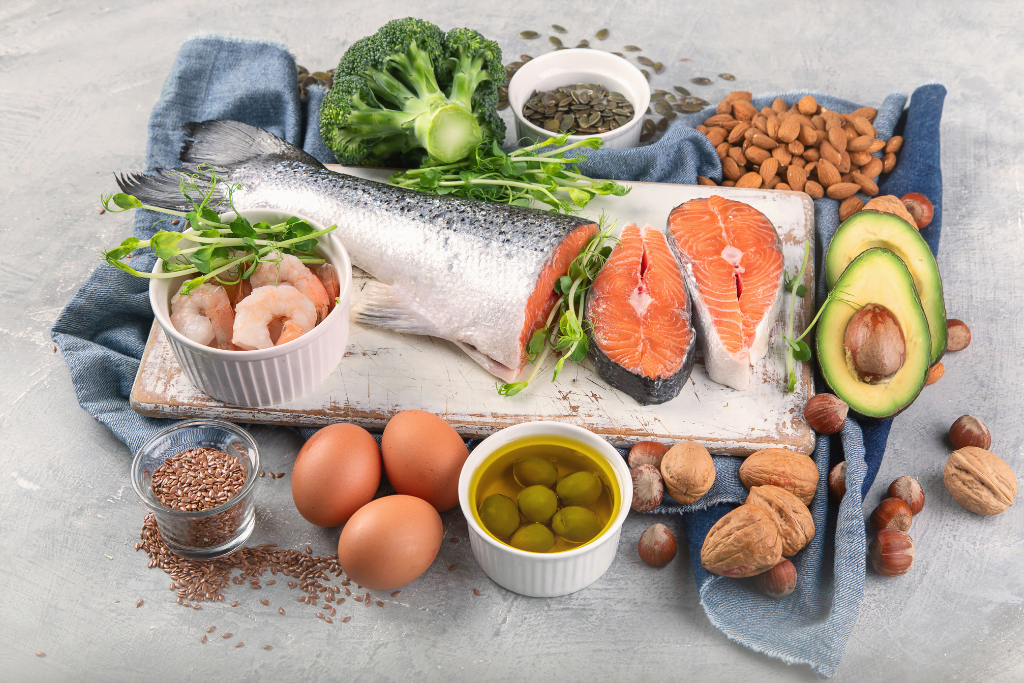

Some fats are essential, meaning your body can’t make them at all. Omega-3s are one of those. You have to get them from food, and most people don’t get nearly enough.
That matters more than you might think. Omega-3 fats work in your body every day. They help keep your inflammation under control and support your heart’s function. They also play a direct role in how your brain works. Getting enough of them consistently is one of the simpler things you can do for your long-term health.
Key InsightOmega-3 fats are essential, meaning your body can’t produce them on its own. You have to get them from food. They actively support your heart, brain, and joints, yet most people aren’t getting enough. Your best food sources are oily fish like salmon, mackerel, and sardines for EPA and DHA, and ground flaxseeds, chia seeds, and walnuts for ALA. Even small, regular additions to your diet can make a real difference to how your body functions over time. |
The Three Types of Omega-3 and Why the Difference Matters
There are three types of omega-3 worth knowing about.
You get Alpha-Linolenic Acid (ALA) from plants like flaxseeds, chia seeds, and walnuts. You get Eicosapentaenoic Acid (EPA) and Docosahexaenoic Acid (DHA) mainly from oily fish.
Your body can convert some ALA into EPA and DHA, but the rate is low. Only around 5 to 10 percent make the conversion. So if you want the full benefit, oily fish or algae-based sources are your most direct route.
EPA and DHA act quickly in your body. They help produce molecules that control your inflammation, your blood flow, and clotting. Think of them as small internal signals your body uses to heal and maintain itself. ALA is still valuable, but it works differently, and your body relies on the conversion pathway that most people don’t fully utilise.
What Omega-3s Do for Your Heart, Joints, and Brain
Your heart benefits from omega-3s in several clear ways.
They help bring down your triglycerides, which are blood fats that raise your heart disease risk when they’re too high. They also support your HDL, the type of cholesterol that protects your arteries, and help keep your blood vessels more flexible over time. Omega-3s also reduce inflammation in your arteries and lower your chance of plaque building up.
Even 500mg a day can make a measurable difference to your heart health. That’s roughly what you’d get from one serving of oily fish per week.
Your joints are another area where omega-3s earn their place. Chronic inflammation is often the reason your joints feel stiff in the morning or ache during the day.
Omega-3s help your body produce fewer inflammatory molecules. That’s why doctors often recommend them for people with arthritis or autoimmune conditions. The effect on your joints isn’t instant. But many people notice real improvements in their stiffness and comfort after a few weeks of regularly eating these foods.
Your brain is largely made of fat, and DHA is one of its main building blocks.
It supports how your brain cells communicate, which directly affects your memory, focus, and learning. There’s also growing evidence linking your regular omega-3 intake to a better mood. People who eat these fats consistently tend to report lower rates of depression and anxiety. The research is still developing, but the direction is clear.
The Best Omega-3 Foods to Add to Your Week
If you eat fish, your three best sources are salmon, mackerel, and sardines.
- Salmon gives you around 1000 to 2200 mg of omega-3s per 100g, along with vitamin D and high-quality protein. It’s one of the lower-mercury oily fish, making it a safe regular choice for most people, including children and pregnant people.
- Mackerel offers about 2,300mg per 100g, with a rich flavour that goes well with lemon and fresh herbs. It’s also high in vitamins A and D, and selenium.
- Sardines are smaller but still deliver meaningful amounts of omega-3s per serving. Tinned sardines on toast is one of the quickest omega-3-rich meals you can make, and one of the more sustainable fish choices too.
Aim for two servings of oily fish per week. Each serving is roughly the size of your palm when cooked, about 140g.
If you’re pregnant, breastfeeding, or planning to become pregnant, check the national guidelines of your country on fish. Some varieties contain more mercury, and your intake of those should be limited.
If you don’t eat fish, your best plant-based options are ground flaxseeds, chia seeds, and walnuts.
- Two tablespoons of ground flaxseeds give you around 2,000mg of ALA. Your body absorbs ground flax far better than whole seeds, so buy them pre-ground or grind them at home and keep them in your fridge. They have a mild nutty taste that works well in your porridge, yogurt, or baking.
- One tablespoon of chia seeds gives you about 1,800mg of ALA. They’re easy to add to your smoothies, overnight oats, or a simple pudding. Keep a jar on your counter, and you’ll actually use it.
- A small 30g handful of walnuts gives you around 2,500mg of ALA, along with antioxidants and fibre for your gut. They’re worth making your regular afternoon snack.
- Canola oil gives you about 1,300mg of ALA per tablespoon. It handles heat well and its mild flavour suits most everyday cooking.
- A cup of cooked edamame provides around 560mg of ALA, along with plenty of protein and fibre. Keep a bag in your freezer for an easy side or snack.
If you don’t eat fish, algae-based omega-3 supplements are your best option for covering EPA and DHA directly.
Algae is where fish get their omega-3s from in the first place. Fish oil capsules work if you include fish products in your diet. If you’re on blood-thinning medication, check with your doctor before starting any omega-3 supplement. They can affect how your blood clots.
Why Consistency Matters More Than Perfection
Omega-3s aren’t a quick fix for anything specific. What they do is provide your body with ongoing support for some of its most important systems. Your heart, your brain, and your joints all benefit from having them in your diet regularly. The more consistently you include these foods in your week, the more your body has to work with.
You don’t have to get the amount exactly right every day. What counts is making them a regular part of your diet. Your body responds to steady habits, not perfect ones.