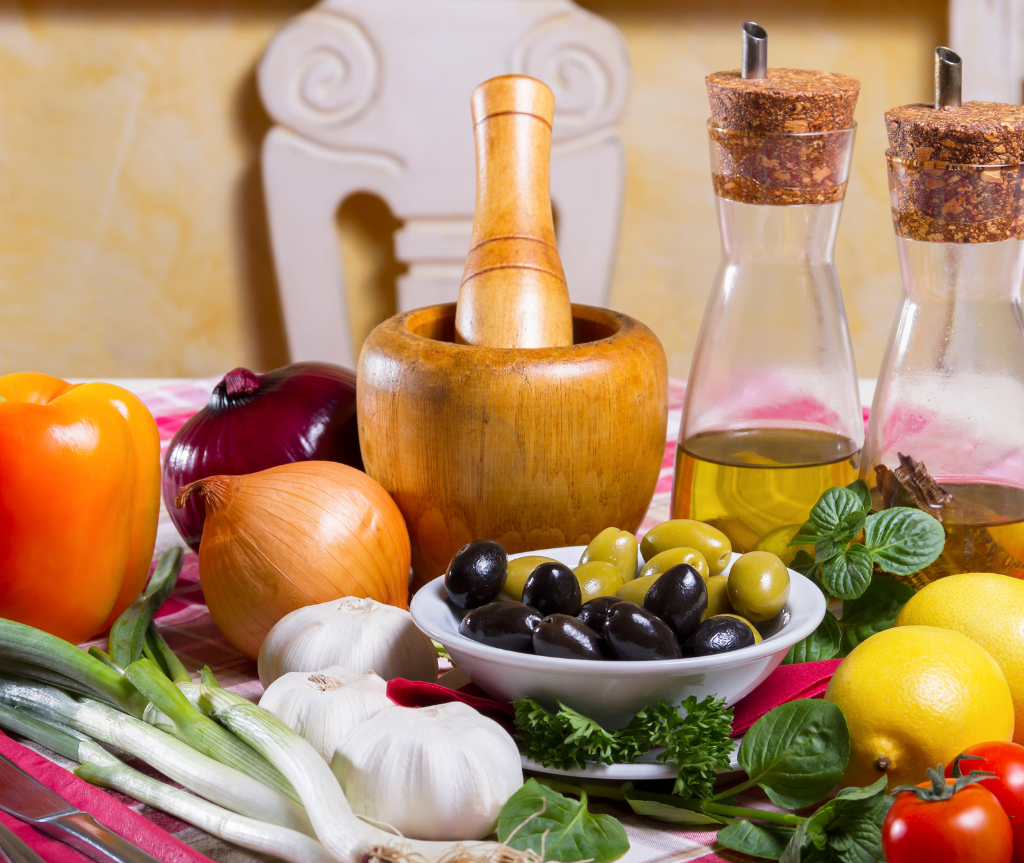

The Mediterranean Diet is different from other eating plans because it isn’t really a diet. It’s a way of eating that grew naturally over centuries in countries near the Mediterranean Sea.
People in these areas picked foods that were local, affordable, and made them feel good. They didn’t follow strict rules or count nutrients. They ate vegetables with most meals, used olive oil often, enjoyed fish a few times a week, and saved red meat for special occasions.
Researchers have studied this way of eating for decades, and the results are clear. People who follow the Mediterranean Diet have lower rates of heart disease, stroke, type 2 diabetes, and some cancers. One large study found it reduced serious heart problems by about 30% in high-risk adults.
This approach works in the long run because it focuses on adding healthy foods rather than always restricting yourself. You work with your body, not against it. Unlike trendy diets that need costly supplements or rare foods, the Mediterranean Diet uses everyday items you can find at any grocery store.
Here’s how you can start making this change in a way that lasts.
Key InsightThe Mediterranean Diet isn’t like most diets with strict rules. It’s a way of eating inspired by how people in Greece, Italy, and Spain have eaten for generations. You eat plenty of vegetables, use olive oil as your main fat, have fish often, choose whole grains, and eat less red meat. Decades of research show this approach can lower your risk of heart disease, diabetes, and stroke by up to 30%. There’s no need to count calories or cut out food groups. Instead, you gradually move toward eating more whole foods and healthy fats at your own speed. |
Why This Eating Pattern Keeps Proving Itself
The Mediterranean Diet stands out because it has decades of strong research behind it. It’s not just one study or a popular trend. There’s consistent evidence from many countries and groups of people.
Large studies show that people who eat this way have better heart health, steadier blood sugar, and less inflammation. The benefits also help your brain. People who follow the Mediterranean Diet tend to have slower mental decline as they get older.
This diet works because of the foods you eat. Olive oil gives you protective compounds, fish provides omega-3 fats, fruits and vegetables offer antioxidants, and whole grains and legumes add fiber. Together, these support your heart, help control blood sugar, and reduce inflammation.
What makes the Mediterranean Diet practical is that you don’t have to cut calories a lot or remove whole food groups. You aren’t forcing yourself to eat foods you dislike. You’re just changing the balance of what you eat.
The Core Foods You’ll Eat More Of
The Mediterranean Diet is about adding certain foods to your meals instead of worrying about what to avoid. Here are the basics:
1. Vegetables and Fruits Show Up at Every Meal
Most meals include vegetables, whether raw in salads, roasted as sides, or cooked into main dishes. Fruits are snacks, desserts, or part of breakfast. Both provide fiber, vitamins, and antioxidants that support your gut and immune system.
You don’t need rare produce. Everyday foods like carrots, tomatoes, leafy greens, bell peppers, apples, and berries are great choices. Aim for variety and plenty, not perfection.
2. Olive Oil Becomes Your Main Cooking Fat
Use extra virgin olive oil instead of butter, margarine, or vegetable oils in most of your cooking. This is one of the easiest and most helpful changes you can make.
Olive oil contains monounsaturated fats and polyphenols that protect your blood vessels and lower inflammation in your body. Use it to sauté vegetables, drizzle on salads, or dip bread. You’ll get used to the flavor quickly, and your body will benefit from the change.
3. Fish and Seafood Several Times a Week
Oily fish like salmon, sardines, and mackerel should be regular parts of your week. They are full of omega-3 fatty acids that help your heart, lower triglycerides, and support your brain.
If you’re not used to eating fish, try milder kinds like cod or haddock. Canned fish is just as good as fresh and is more affordable. Try to have fish two or three times a week.
4. Legumes, Nuts, and Whole Grains Add Protein and Fiber
Beans, lentils, chickpeas, and nuts provide protein, fiber, and minerals without the saturated fat in red meat. Whole grains like brown rice, quinoa, and whole-grain bread keep you fuller longer than their white counterparts.
These foods are easy to use. A bowl of lentil soup is enough. You can also add chickpeas to a salad or eat a handful of almonds as a snack.
5. Dairy in Smaller Amounts
Cheese and yogurt are eaten in small amounts, usually as sides instead of main dishes. Greek yogurt and feta are common choices. Because they are fermented, they may be easier to digest than other dairy foods.
Foods that are not suitable for the Mediterranean Diet
The Mediterranean Diet doesn’t ban any foods, but it does change how often you eat some of them.
- Red meat is eaten only sometimes, maybe once or twice a week, and usually in small portions. When you do have it, it’s often part of a mixed dish with vegetables, not the main focus.
- Processed meats like bacon, sausages, and deli meats are eaten only rarely. Their high sodium and preservatives make them a poor choice for regular meals.
- Sweets and sugary treats are for special occasions, not every day. When you do have them, enjoy them without guilt, then return to your usual eating habits.
- Highly processed foods with added sugars, refined oils, and artificial ingredients are not part of regular meals. Most of the time, you choose real food over packaged products.
What Your Day Might Look Like
You don’t need complicated recipes or to spend hours in the kitchen to eat this way. Here’s what a typical day might look like.
For breakfast, you might have whole-grain toast with mashed avocado and tomatoes, or Greek yogurt with berries and a little honey. Both choices are filling and help you start your day well.
Lunch could be a chickpea salad with cucumbers, tomatoes, olive oil, and lemon juice, served with whole-grain pita. Or you could have vegetable soup with white beans and whole-grain bread on the side.
Dinner often includes fish or legumes for protein, roasted vegetables, and a small serving of whole grains. Baked salmon with roasted peppers and brown rice is a classic choice. Lentil stew with crusty bread is another good option.
Snacks are usually fruit, nuts, or leftovers from earlier meals. Water is your main drink during the day. Tea and coffee are also fine. Some people have a small glass of red wine with dinner, but this is optional and not needed for health.
The Lifestyle Habits That Matter Too
Food is just one part of the Mediterranean approach to health. How you eat is just as important as what you eat.
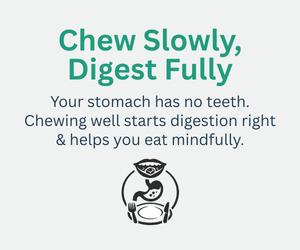
Traditionally, meals are social times. People sit together, eat slowly, and enjoy their food instead of rushing. This relaxed pace helps with digestion and makes meals more satisfying.
Physical activity is a natural part of daily life, like walking to the market, gardening, or taking the stairs. It’s not just about going to the gym. Movement is built into the day.
Strong social connections and regular rest are also important parts of this lifestyle. These things help your well-being as much as the food you eat.
For you, this could mean eating without your phone, taking a short walk after dinner, or sharing meals with family or friends more often. These small habits can increase the benefits of the diet.
Can You Lose Weight Eating This Way?
You might lose weight, but that isn’t the main goal. The Mediterranean Diet is about health, not quick weight loss.
Still, many people do lose weight naturally because these meals are filling and nutrient-rich. Real food makes you feel satisfied, not empty like processed snacks. The fiber in vegetables, legumes, and whole grains helps you stay full longer.
If you want to lose weight, portion sizes are still important. Olive oil, nuts, and cheese are high in calories, so it helps to watch how much you use. But this approach is gentle and sustainable, not extreme.
Some people need to change their portions based on how active they are or their health needs. A registered dietitian can help you adjust the Mediterranean Diet for your situation, especially if you have diabetes, digestive issues, or other health concerns.
Mistakes Beginners Often Make
Some people think the Mediterranean Diet means you can eat as much pasta, bread, and olive oil as you want. Balance is still important. Whole grains are included, but vegetables should be the main part of your plate.
Another common mistake is focusing only on ingredients and not on how you eat. If you rush through meals or eat while stressed, you miss some of the benefits. Taking your time and eating mindfully really helps.
Finally, trying to change everything at once usually doesn’t work. This way of eating works best when you make small, realistic changes. Over time, these small steps lead to bigger results.
How to Start Without Overwhelming Yourself
If you’re new to the Mediterranean Diet, keep it simple. Choose one or two changes that feel easy to start with.
This week, try using olive oil for cooking instead of butter or vegetable oil. Next week, add another serving of vegetables to your dinner. The week after, swap one red meat meal for fish or beans.
These small changes will start to feel natural over time, not forced. You don’t have to be perfect. Just move toward healthier eating at your own pace.
Stock your kitchen with basics that make Mediterranean meals simple. Keep olive oil, canned tomatoes, canned fish, dried lentils, whole-grain pasta, and frozen vegetables on hand. With these staples, you can make a healthy meal without much planning.
An Eating Pattern You Can Actually Maintain
The Mediterranean Diet works long-term because it’s flexible, enjoyable, and fits into real life. It can adapt to different cultures, budgets, and personal tastes while keeping its main ideas.
You don’t need pricey ingredients or complicated recipes. You don’t have to change your whole lifestyle. Just focus on whole foods, healthy fats, and a more relaxed way of eating.
Over time, this stops feeling like a diet and just becomes the way you eat. The change happens slowly, one realistic meal at a time, until it feels natural.
Your body benefits from consistency, not perfection. Let yourself ease into the Mediterranean Diet at your own pace. The health benefits build up slowly but steadily: better heart health, steadier energy, less inflammation, and a lower risk of chronic disease. That’s worth much more than any quick fix.