
The lifestyle factors behind rising colon cancer rates in younger adults largely come down to how daily habits have shifted over the past few decades. Your genes haven’t changed much in 30 years. But what you eat, how much you move, and how you live? That’s changed quite a bit.
No lifestyle change guarantees you won’t develop cancer. But certain habits are clearly linked to lower colon cancer risk, and they’re worth knowing about. This article covers the key lifestyle factors most strongly linked to colorectal cancer and the practical changes that can actually make a difference.
These aren’t about overhauling your life overnight. They’re about building small, sustainable habits that protect your colon and improve your overall health.
Key InsightColon cancer rates in younger adults have been climbing, and lifestyle plays a bigger role than most people realize. Diets heavy in processed foods, too little fiber, low activity levels, excess weight, alcohol, and smoking are all linked to a higher risk. The encouraging part? These are things you can actually do something about. Small, steady changes to how you eat, move, and live can give you real protection. No lifestyle shift guarantees prevention, but building healthier habits gives your body its best shot. |
What You Eat Affects Your Colon Cancer Risk
Diet is one of the strongest links to colon cancer. What you eat consistently, over months and years, shapes your colon health in ways that really add up.
1. Processed and Red Meat
Processed meats like bacon, sausage, deli cuts, and hot dogs are firmly linked to higher colorectal cancer risk. Red meat from beef, pork, and lamb also shows a connection, though not quite as strong. The problem seems to come from compounds that form when meat is processed or cooked at high heat. These can damage the cells lining your colon over time. Processed meats also contain preservatives such as nitrates, which may play a role.
You don’t need to cut these foods out completely. What matters is how often you’re eating them. Think of processed and red meats as occasional choices rather than daily habits. Swapping in chicken, fish, or plant proteins most days is a simple and effective thing to do.
2. The Fiber Gap Most People Have
Dietary fiber is one of the most protective things you can eat for your colon. It speeds up how fast waste moves through your digestive system, so potentially harmful substances spend less time in contact with your colon lining. It also feeds the beneficial gut bacteria that produce protective compounds.
Most people eat around 15 to 20 grams of fiber a day. The target is 25 to 30 grams. That gap is bigger than it sounds, and it shows up over time. Good sources include vegetables, fruits, whole grains, beans, lentils, nuts, and seeds. Variety matters here too, since different fiber types feed different beneficial bacteria.
Adding a serving of vegetables to lunch and dinner, swapping white bread for whole grain, and keeping fruit or nuts on hand for snacks are some of the easiest ways to close that gap.
3. Ultra-Processed Foods
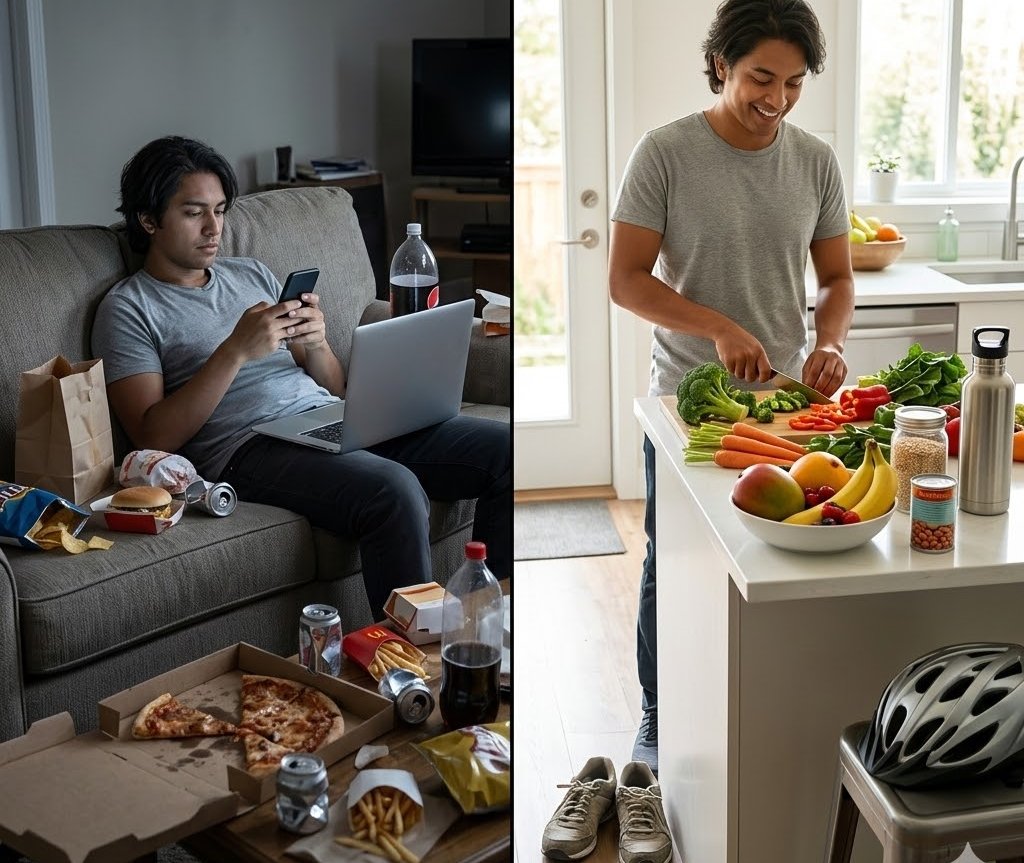
Packaged snacks, ready meals, sugary drinks, and fast food now make up more than half the calories in many people’s diets. These foods tend to be low in fiber, high in sugar, and full of additives that can affect gut health. They also tend to crowd out the more nutritious whole foods your colon needs.
The link to colon cancer risk runs through several pathways. These foods don’t feed your beneficial gut bacteria. They can increase inflammation in your body. They often contribute to weight gain. And over time, they replace the foods that actually protect you.
Cooking at home more often, choosing water over soda, and keeping whole food snacks accessible are all practical starting points. You don’t need to be perfect, but reducing how often ultra-processed food shows up in your day does make a difference.
4. Alcohol
Regular, heavy drinking raises colon cancer risk. Even moderate drinking may have some effect, based on current evidence. If you drink, keeping your intake low matters.
UK guidelines suggest no more than 14 units a week, spread over several days. From a cancer prevention standpoint, less is genuinely better.
5. Lack of Exercises
A mostly sedentary lifestyle is one of the clearer risk factors for colon cancer. People who are regularly inactive have roughly 20 to 25 percent higher risk compared to those who move consistently. Sitting for long stretches slows digestion, raises inflammation, and disrupts the hormonal balance your body needs to keep cells healthy.
The good news is you don’t need intense workouts to lower that risk. Moderate activity, brisk walking, cycling, swimming, dancing, gardening, makes a real difference. Around 150 minutes a week is the target, which works out to about 30 minutes five days a week.
If that feels like a stretch right now, start smaller. Even 10-minute walks count, especially if you’re currently not moving much at all. Building the habit matters more than hitting a specific number right away.
It’s also worth thinking about how much time you spend sitting, separate from whether you exercise. Long periods of sitting carry their own risks. If you work at a desk, short breaks to stand and walk around every hour are an easy way to break that up.
6. Weight and Your Colon Cancer Risk
Extra body weight, particularly fat around the belly, raises colon cancer risk. People carrying excess weight have roughly 30 to 50 percent higher risk compared to those at a healthy weight. The connection runs through chronic inflammation, hormone changes, and metabolic effects. Carrying extra weight keeps your body in a state of low-level, ongoing inflammation, and that kind of persistent inflammation can encourage cancer development over time.
Weight is complicated, and many factors beyond personal control play a role, including genetics, medications, and health conditions. This isn’t about blame or hitting a specific number on a scale.
If you’re carrying extra weight, even modest loss can reduce your risk. Losing 5 to 10 percent of your body weight often brings meaningful health improvements. The most sustainable path is focusing on the habits that support a healthy weight over time: eating more fiber, cutting back on processed food, moving regularly, managing stress, and getting enough sleep.
7. Smoking and Your Colon
Smoking is linked to higher risk of many cancers, and colorectal cancer is on that list. If you smoke and want to quit, talking to your doctor is a good first step. Nicotine replacement, medications, and counseling all improve the odds of quitting successfully. The sooner you stop, the more benefit you see.
If you don’t smoke, that’s already one significant risk factor you don’t carry.
Making Changes That Actually Stick
You don’t need to overhaul everything at once. Pick one or two areas where you’re ready to make a shift. Build those into your routine, then consider what else makes sense from there.
Small, consistent changes tend to work better than dramatic ones you can’t sustain. Adding vegetables to dinner every night matters more than following a perfect diet for two weeks before giving up. Walking most days beats an intense workout plan you quit after a month.
These lifestyle factors can meaningfully reduce colon cancer risk, but they don’t eliminate it entirely. Some people develop cancer despite doing everything right, and that’s not their fault. Cancer is complex, and many factors are beyond your control.
What you can control is the foundation you build. And most of these habits, eating more fiber, moving regularly, keeping weight in a healthy range, pay off well beyond colon cancer prevention. Start where you are. Make changes that feel sustainable. Every positive shift counts, even the small ones.