
Maybe you’ve heard about keto or the ketogenic diet from a friend who lost weight fast, or you’ve seen impressive before-and-after photos of people online. Now you want to learn more.
Keto isn’t like most other diets. You’ll eat a lot of fat and very few carbs. This might seem strange if you’ve always heard that fat is bad for you. But when you lower your carbs enough, your body changes how it gets its energy.
This change is what makes keto effective. It can help with weight loss and managing blood sugar if you do it correctly. Because keto has strict carb limits and eat lot of fat, it’s important to know the basics before you start.
Here’s a simple guide to keto for beginners: how it works, what you can eat, and what to expect in your first few weeks.
Key Insight:The keto diet helps your body burn fat instead of carbohydrates (carbs) by keeping your daily carb intake between 20 and 50 grams. You’ll eat mostly fat, some protein, and very few carbs. This change makes your liver produce ketones for energy instead of using glucose. Most people reach ketosis in 2 to 4 days. You might feel some keto flu symptoms during the first week, but after that, your energy should even out, and you’ll likely feel less hungry. Keto isn’t right for everyone, especially if you’re pregnant, have kidney issues, or take certain medications. |
What Is the Keto Diet?
The keto diet is high in fat, moderate in protein, and very low in carbs. It was first developed in the 1920s to help children with epilepsy. Today, most people use it for weight loss and to improve their metabolism.
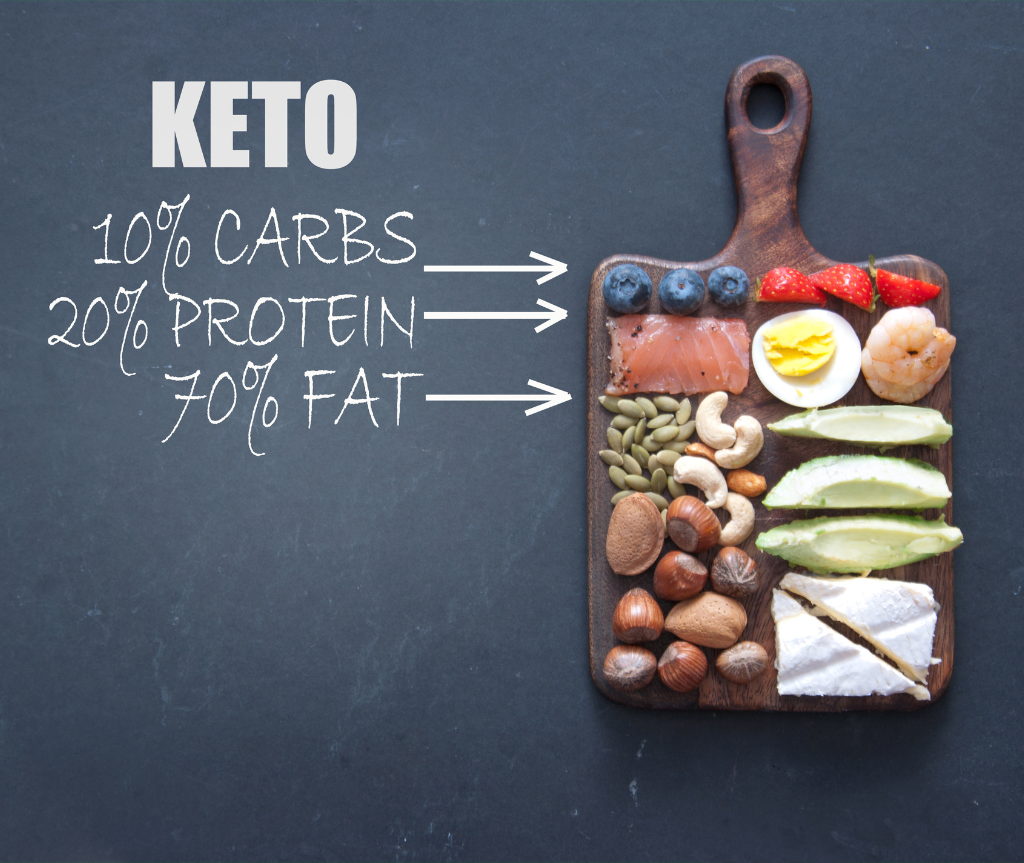
Your typical breakdown looks like this:
- 70-75% of calories from fat
- 20-25% from protein
- 5-10% from carbs (usually 20-50 grams per day)
When you eat very few carbs, your body runs out of its normal fuel, glucose. Instead of using glucose from carbs, your liver turns fat into ketones. Your brain and muscles then use these ketones for energy. This process is called ketosis.
Other low-carb diets allow more than 100 grams of carbs each day. Keto is much stricter. You need to stay under 50 grams, and often closer to 20 or 30 grams, to keep making ketones. Even one high-carb meal can stop ketosis for a while.
That’s why it’s important to be consistent, especially in the beginning.
How Your Body Enters Ketosis
Normally, you eat carbs, and your body (digestion in the gut) breaks them down into glucose. That glucose enters your bloodstream.
In response to rising blood glucose, your pancreas releases insulin to help move glucose into your cells for energy or storage. Your body stores extra glucose as glycogen in your muscles and liver. You’ve got about 24-48 hours’ worth of stored glycogen at any time.
When you drop carbs below 50 grams daily, you deplete those glycogen stores within a day or two. Your body needs a new energy source fast.
So, your liver starts breaking down fatty acids into ketones, which are an excellent source of energy for the brain. These ketones travel through your blood and fuel your brain, which normally runs almost entirely on glucose.
Most people make this switch in about 2 to 4 days, but it depends on your activity level, metabolism, and how many carbs you were eating before.
Once you’re in ketosis, your body becomes better at burning fat. Many people lose weight quickly at first. Some of this is fat loss, and some is water loss because your body uses up its stored glycogen, which holds water.
Ketosis can also help you feel less hungry and give you more steady energy. This is because your insulin levels go down, and fat helps you feel full for longer.
What to Eat on Keto
If you’re new to keto, focus on eating whole foods that provide healthy fats, enough protein, and very few carbs.
Healthy Fats (Your Main Fuel)
Most of your calories will now come from fat, so pick good-quality sources.
- Avocados and avocado oil are rich in healthy fats and potassium. They’re filling and work in almost any meal. Olive oil and coconut oil are great for cooking and salad dressings. Butter and ghee add flavour and fat, especially when made from grass-fed cows.
- Nuts and seeds, such as almonds, walnuts, chia seeds, and flaxseeds, are beneficial in small amounts. They contain some carbs, so keep an eye on your portions.
- Fatty fish like salmon, mackerel, and sardines provide healthy fats and omega-3s, which are good for your heart and brain.
- Full-fat dairy products like cheese, Greek yogurt, and heavy cream are all suitable for a keto diet. Be careful of hidden carbs in some dairy items, and choose plain, full-fat versions.
Protein Sources (Moderate Amounts)
You need protein to keep your muscles healthy, but too much can affect ketosis.
- Meat and poultry, such as beef, pork, chicken, and turkey, are staples on the keto diet. Try to pick unprocessed options when possible. Eggs are also very versatile and work for any meal, whether scrambled, fried, or hard-boiled.
- Seafood such as shrimp, crab, lobster, and white fish is low in carbs and high in protein.
- Plant-based proteins like tofu and tempeh can also fit, but watch your portions because they have more carbs than meat.
Low-Carb Vegetables
Vegetables provide fiber, vitamins, and minerals without adding too many carbs. Choose mostly vegetables that grow above the ground.
- Leafy greens such as spinach, kale, arugula, and lettuce have almost no carbs, so you can eat as much as you like.
- Cruciferous vegetables like broccoli, cauliflower, Brussels sprouts, and cabbage are also filling and healthy.
- Other low-carb vegetables include zucchini, asparagus, bell peppers, mushrooms, and cucumber. These are easy to fit into your daily carb limit.
You might get less fiber on keto since you’re not eating grains. Eating lots of non-starchy vegetables can help keep your digestion healthy.
What to Avoid on Keto
To stay in ketosis, you’ll need to cut out or greatly reduce high-carb foods. Even foods that seem healthy, like fruit and whole grains, can put you over your daily carb limit.
High-Carb Foods to Eliminate
- Grains and starches such as bread, pasta, rice, oats, quinoa, and cereal are not allowed. These foods are mostly carbs and can quickly stop ketosis.
- Sugary foods such as candy, pastries, cakes, cookies, ice cream, and soda should be avoided. They raise your blood sugar right away.
- Most fruits are too high in sugar for a keto diet. Bananas, apples, oranges, and grapes all have too much. You can have small amounts of berries like strawberries, raspberries, and blackberries, since they have less sugar and more fiber.
- Legumes such as beans, lentils, chickpeas, and peas are healthy but have too many carbs for keto.
- Starchy vegetables like potatoes, sweet potatoes, and corn, as well as large servings of carrots, also don’t fit the diet.
- Low-fat and processed foods often have added sugars and hidden carbs. It’s best to choose full-fat options.
Drinks to Limit or Avoid
- Drinks like fruit juice, sweetened coffee drinks, and energy drinks are high in sugar and carbs. Even seemingly healthy smoothies can have more than 40 grams of carbs.
- Alcohol can be challenging on keto. Beer and sweet cocktails are high in carbs. Dry wine and spirits have fewer carbs and may be okay in moderation. However, alcohol can slow down ketone production, so it’s best to limit it.
These restrictions might seem overwhelming at first. But after a week or two of checking labels and looking for hidden carbs, meal planning becomes much easier.
What to Expect in the First Few Weeks
Getting into ketosis doesn’t always feel good at first. As your body switches from burning carbs to burning fat, you might go through what’s called the “keto flu.”
It’s not an actual flu. It’s just your body getting used to a new way of making energy.
Keto Flu Symptoms (Days 1-7)
During the first three to seven days, you might feel tired, get headaches, feel irritable, have trouble focusing, feel sick to your stomach, or get muscle cramps.
These symptoms happen for a few reasons. Your body uses up its stored glycogen, which releases water and electrolytes. You’re also getting used to using ketones instead of glucose. Low levels of sodium, potassium, and magnesium can make you feel worse.
To reduce keto flu symptoms, drink plenty of water and replace lost electrolytes. Add a little extra salt to your meals. Eat foods rich in potassium, such as avocados and leafy greens. You might also consider a magnesium supplement (usually 300-400mg daily).
If you take medicine for blood pressure or diabetes, talk to your doctor before adding extra salt. Keto can affect both your blood pressure and blood sugar.
Energy and Hunger Changes (Weeks 2-4)
After the first week or two, most people notice a change. You may think more clearly, have steady energy without blood sugar crashes, and feel less hungry between meals.
This happens because ketones give your brain steady fuel. Fat is also more filling than carbs, so you end up eating less without feeling hungry.
Your athletic performance might drop for a while, especially during intense workouts that require quick energy. Your endurance can improve once your body gets used to burning fat, but this can take 4 to 6 weeks.
Give yourself time to adjust during this transition.
Who Shouldn’t Try Keto
Keto can help with weight loss and metabolic health, but it’s not safe for everyone. Certain health conditions or life stages may mean you should be careful with keto or avoid it altogether.
Certain Medical Conditions
If you have type 1 diabetes, keto carries a risk of diabetic ketoacidosis. This is a dangerous condition where your ketone levels get too high, and your blood becomes acidic. It’s different from nutritional ketosis and can be life-threatening.
People with type 2 diabetes who take insulin or blood sugar medications should only try keto under close medical supervision. The diet can make your blood sugar drop too low, which is dangerous.
If you’ve had kidney stones, liver disease, or pancreatitis, be careful with keto. The high fat and possible rise in uric acid can make these conditions worse.
If you have a history of eating disorders, it’s best to avoid strict diets like keto. The strict rules can lead to unhealthy habits.
Pregnancy and Breastfeeding
Keto is usually not recommended if you’re pregnant or breastfeeding. Babies and infants need enough carbohydrates to grow well. Some research suggests that ketosis during pregnancy could affect development, but more studies are needed.
This is not a good time to try extreme diet changes.
Medication Interactions
Keto can affect how your body metabolizes certain medications, especially those used to treat blood pressure, diabetes, and cholesterol.
If you take prescription medicine, talk to your doctor before starting keto. Your doctor may need to change your doses as your metabolism changes. This is especially important for diabetes and blood pressure medicines.
Getting Started: Your First Steps
If you’ve decided to try keto and it’s safe for you, a few simple steps can help make the change easier.
Step 1: Plan Your Meals Ahead
The first week is often the hardest. You’re learning which foods fit your carb limit and dealing with cravings for your usual meals.
Planning your meals ahead takes away the guesswork. It also helps you avoid reaching for high-carb foods when you’re hungry. Try making a simple three-day meal plan you can repeat while you learn the basics.
Keep things simple at first. Have eggs and avocado for breakfast, salad with grilled chicken for lunch, and salmon with roasted broccoli for dinner. You don’t need fancy recipes.
Step 2: Track Your Macros (At First)
For the first few weeks, use an app like MyFitnessPal or Cronometer to track what you eat. This helps you stay within your carb limit and make sure you’re getting enough fat and protein.
It’s easy to eat too many carbs or not enough fat when you’re just starting out. Tracking your food shows you exactly how you’re doing.
Most people can stop tracking so closely once they get used to portion sizes. At first, though, the information is very helpful.
Step 3: Stay Hydrated and Replace Electrolytes
Try to drink at least eight glasses of water each day. You can also add a little extra salt to your meals or drink bone broth to help maintain your sodium levels.
Magnesium and potassium supplements can help prevent cramps and tiredness. You can also get these minerals from foods like avocados, spinach, and nuts.
Staying hydrated and keeping your electrolytes balanced are among the best ways to avoid the keto flu.
Step 4: Be Patient with Your Body
Your body won’t switch to ketosis right away. It needs time to get used to this new way of making energy.
If you eat too many carbs one day, don’t worry. Just get back on track with your next meal. Being consistent over time is more important than being perfect every day.
You’re teaching your body a whole new way to use energy, and that takes time.
Find What Works for You
Starting keto takes commitment, planning, and some flexibility. It’s not a quick fix, and it doesn’t work for everyone. But if you can stick to the carb limits and focus on healthy fats, keto can be a new way to manage your weight and energy.
Notice how your body feels. If you still have negative symptoms after two weeks, or if the diet feels too strict, it might not be right for you. That’s okay. Good health is about finding what works for your goals and your life.
If you decide to continue with keto, choose whole, nutrient-dense foods. Pay attention to your body’s signals. Ask a healthcare provider or dietitian for help if you need it. The best diet is one you can stick with for the long term.