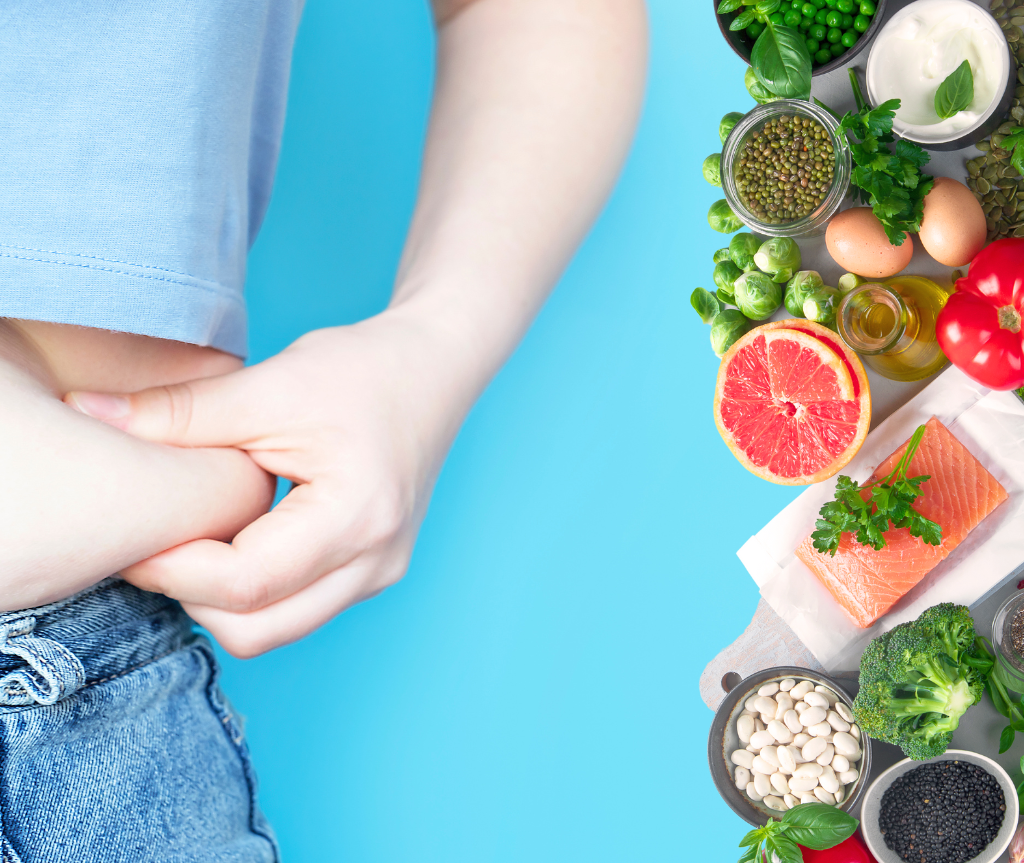

You might have cut calories and started eating healthier, but your waistline hasn’t changed. This is a common frustration. Often, the issue isn’t how much you’re eating.
It’s about what you’re eating. Belly fat reacts to certain signals in your body. Your blood sugar levels are important, as is inflammation. How full you feel between meals also matters more than you might expect.
Some foods help keep your insulin steady, which can prevent your body from storing fat around your waist. Others reduce inflammation or help you feel full for longer. Over time, these effects can make a real difference.
The 15 foods below aren’t your usual “diet” foods. They help your body burn belly fat naturally instead of storing it. Here’s how you can include them in your meals.
Key InsightEven if you eat healthy, your waist size might stay the same. The problem isn’t always the amount you eat, but the types of food you choose. Belly fat is affected by your blood sugar, inflammation, and how full you feel between meals. Foods that keep your blood sugar steady and help you feel satisfied can make it easier to lose weight around your middle. The 15 foods listed here do just that. They’re supported by science and, more importantly, they work in real life when you eat them often. |
1. Avocados
Avocados have fats that help your body respond to insulin properly. When your cells use insulin well, you’re less likely to store belly fat.
Half an avocado has about 7 grams of fiber. This slows down digestion and helps keep your blood sugar steady. The mix of healthy fats and fiber helps prevent the ups and downs that can lead to fat storage.
People who eat half an avocado at lunch feel full for hours. They often eat less later in the day without even trying.
Try this: Mash half an avocado onto wholegrain toast with lemon juice and chili flakes. It keeps your energy steady until lunch.
2. Eggs
Eating eggs for breakfast can keep you feeling full for hours. Each large egg has about 6 grams of protein, which helps trigger hormones that make you feel truly full.
People who eat eggs for breakfast tend to eat fewer calories at lunch and during the rest of the day, even if their breakfast has the same number of calories. The amino acids in eggs also help protect your muscles while you lose weight, which keeps your metabolism steady.
Try this: Pair two poached or scrambled eggs with spinach and wholegrain toast. You’ll feel satisfied and energized.
3. Fatty Fish
Salmon, mackerel, and sardines contain omega-3 fats that help reduce inflammation in your body. They also help your cells use insulin better. These effects specifically target visceral fat—the deep belly fat around your organs that raises your health risks the most.
Fatty fish give you high-quality protein, too. That keeps you full and maintains your muscle mass. Aim for at least two servings a week.
Try this: Bake salmon with lemon, dill, and olive oil at 180°C for 12-15 minutes. It’s simple enough for a weeknight and filling enough to stop evening cravings.
4. Greek Yogurt
Greek yogurt has about twice the protein of regular yogurt, with most servings providing 15 to 20 grams. This helps you feel truly full between meals, not just distracted from hunger.
The probiotics in yogurt support the good bacteria in your gut. These bacteria can affect how your body stores and burns fat. Having a healthier gut can make losing weight easier.
Pick plain yogurt to avoid added sugars, since extra sugar can cancel out the blood sugar benefits you want.
Try this: Use plain Greek yogurt as a base for breakfast bowls with berries, seeds, and a drizzle of honey. Or swap it for sour cream in savory dishes.
5. Berries
Blueberries, strawberries, and raspberries are rich in antioxidants that help reduce inflammation. When your body has less inflammation, it stores less belly fat over time.
Berries provide plenty of fiber but not many calories, which helps you feel full. Their natural sweetness can satisfy cravings without causing the blood sugar spikes you get from candy or pastries.
Try this: Add a handful of mixed berries to Greek yogurt or oats in the morning. Keep frozen berries on hand for quick smoothies.
6. Broccoli and Cruciferous Vegetables
Broccoli, cauliflower, and Brussels sprouts have compounds that help lower inflammation and may help prevent fat gain. They’re low in calories but high in fiber, so you can fill your plate without eating too much.
Cruciferous vegetables support your liver, too. Your liver processes fat and controls hormones that affect where your body stores it. A healthy liver makes losing belly fat much easier.
Try this: Roast broccoli florets with olive oil and garlic at 200°C for 20 minutes. The caramelization makes them taste better if you’re not naturally a vegetable enthusiast.
7. Legumes
Beans, lentils, and chickpeas are packed with both protein and fiber, which help you feel full. They also help control your blood sugar better than most other carbs. People who eat legumes regularly tend to lose more belly fat than those who don’t, even if their overall diets are similar.
Legumes have resistant starch, which feeds the good bacteria in your gut. These bacteria can affect how your body stores fat and uses energy. Aim to eat legumes three to four times a week.
Try this: Replace white rice with a lentil and vegetable salad once or twice weekly. Or toss a tin of drained chickpeas into soups and stews.
Mediterranean Diet and Diabetes: A Realistic Approach to Blood Sugar Control
8. Oats
Oats are rich in beta-glucan, a type of fiber that slows digestion. This helps keep your blood sugar steady and can also lower your cholesterol. The fiber forms a gel in your stomach, making you feel full and possibly reducing how much fat your body absorbs.
People who eat oats regularly often have smaller waists than those who eat similar amounts of refined grains like white bread.
Try this: Cook half a cup of oats with water or milk. Top with berries, cinnamon, and a spoonful of nuts for a breakfast that keeps you full until lunch.
9. Nuts and Seeds
Almonds, walnuts, chia seeds, and flaxseeds are packed with healthy fats, protein, and fiber. These nutrients help control the hormones that affect your appetite. Even though nuts are high in calories, eating them in moderation is linked to lower body weight and less belly fat.
Portion control is important. A small handful, about 30 grams or 23 almonds, gives you the benefits without too many calories. Nuts can also help improve your cholesterol and lower inflammation.
Try this: Keep pre-portioned bags of mixed nuts in your bag or desk drawer. They’re far more satisfying than processed snacks between meals.
10. Olive Oil
Extra virgin olive oil contains healthy fats and plant compounds called polyphenols. These help your body use insulin more effectively and reduce inflammation. Mediterranean diets use olive oil as their main fat, and they’re especially effective at reducing deep belly fat.
Using olive oil in cooking or on salads helps you feel satisfied, too. You naturally feel full with smaller portions of other foods.
Try this: Use olive oil instead of butter when cooking vegetables. Or drizzle it over salads with lemon juice and fresh herbs.
11. Quinoa
Quinoa is a complete protein, meaning it has all nine essential amino acids your body needs. This is especially helpful for plant-based diets. Quinoa also has a low glycemic index, so it provides steady energy without raising your blood sugar.
It has more fiber than most grains, with about 5 grams per cooked cup. This supports digestion and helps you feel full longer.
Try this: Use quinoa instead of white rice or couscous as a base for vegetable and protein bowls. Or add it to soups for extra texture and nutrition.
12. Soybeans and Soy Products
Tofu, tempeh, and edamame offer plant protein and compounds called isoflavones. These may help your body store fat in healthier ways. Soy isoflavones can be especially helpful during menopause, when hormonal changes often lead to more belly fat.
Soy protein fills you up just like animal protein does. It’s a solid choice if you’re a vegetarian or vegan and want to manage your weight.
Try this: Add cubed tofu to stir-fries, toss edamame into salads, or use tempeh as a meat substitute in sandwiches and grain bowls.
13. Sweet Potatoes
Sweet potatoes taste sweet, but they have a low glycemic index thanks to their high fiber content. They provide steady energy without the blood sugar swings you get from white potatoes or refined carbs.
The fiber in sweet potatoes also supports digestion and helps you feel full. They are rich in beta-carotene and other antioxidants, which lower inflammation and support healthy fat metabolism.
Try this: Roast cubed sweet potatoes in olive oil with rosemary and black pepper at 200°C for 25-30 minutes. They pair beautifully with any protein.
14. Tomatoes
Tomatoes contain lycopene, an antioxidant linked to reduced inflammation and lower belly fat. Cooking tomatoes with a bit of fat helps your body absorb and use the lycopene more easily.
Tomatoes are also low in calories but add volume and flavor to meals. You can make filling dishes without packing in calories.
Try this: Cook fresh tomatoes with olive oil and garlic to make a simple sauce. Use it on pasta, eggs, or roasted vegetables. The combination boosts lycopene absorption.
15. Green Tea
Green tea contains antioxidants called catechins that give your metabolism a small boost. These help your body burn fat more efficiently. The effect is modest, about 70 to 100 extra calories burned per day, but it adds up over time when you combine it with other healthy habits.
The caffeine in green tea gently boosts your metabolism without causing the jitters that coffee sometimes does. Still, drinking green tea alone won’t lead to dramatic fat loss unless you make other changes too.
Try this: Drink 2-3 cups a day, such as one in the mid-morning and another in the afternoon. Let it steep for 3-5 minutes to get the most benefits.
Making This Work in Real Life
No single food will eliminate belly fat by itself. But regularly choosing foods that stabilize your blood sugar, calm inflammation, and keep you satisfied makes a real difference. You’ll see changes over weeks, not days.
The best way to build your meals is to center them on lean proteins, plenty of vegetables, whole grains, and healthy fats. These foods help keep your energy up, control your hunger, and support your metabolism. That’s what leads to lasting fat loss.
Start by making one small change instead of trying to change everything at once. Add berries to your breakfast, swap quinoa for white rice a few times a week, or cook fatty fish twice a week. Small, steady changes like these add up to results you’ll notice and feel.