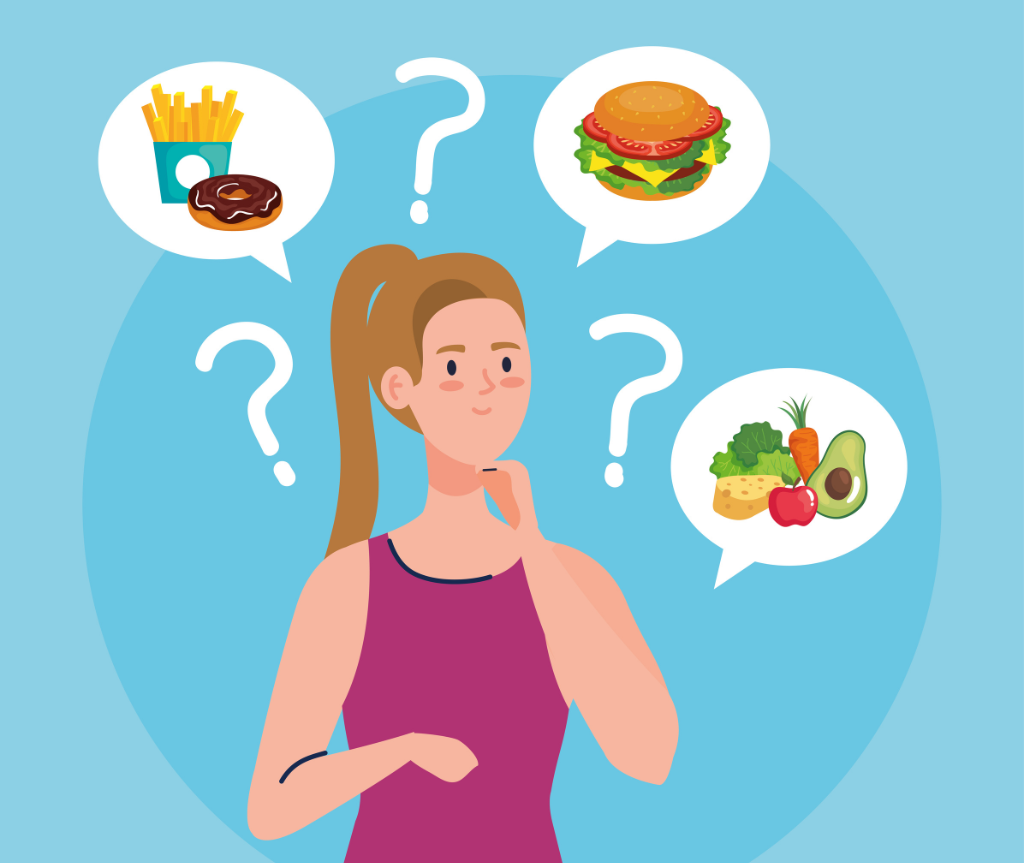

Keto works by getting your body to burn fat instead of sugar. But staying in ketosis isn’t always easy. You might skip pizza, cookies, and rice, but still find yourself craving snacks or not losing weight.
The problem usually isn’t willpower. Certain foods sneak in more carbs than you’d expect. A banana-honey smoothie sounds healthy, but it could use up your entire daily carb allowance in one glass. Root vegetables like carrots feel nutritious, yet they’re packed with starch.
If you eat too many carbs, your body stops making ketones and starts burning glucose again. You’ll notice the change—sudden hunger, low energy, or even brain fog. If you’ve had keto flu before, you probably want to avoid going through it again.
Here are 10 foods to avoid on keto, plus easy swaps that actually taste good.
Key InsightStaying in ketosis takes more than just skipping bread and pasta. Some foods that seem healthy, like bananas, yogurt, and even carrots, can quietly push you over your carb limit. If you eat too many carbs, your body starts burning glucose again. This can lead to cravings, slow down weight loss, and bring back keto flu symptoms. When you know which foods to avoid, you can make easy swaps to stay on track. |
1. High-Sugar Fruits (Bananas, Grapes, Mangoes)
Fruit is often seen as healthy, but on keto, it’s more like candy. A medium banana has about 27 grams of carbs, which is your entire daily limit if you’re aiming for 20-30 grams. Grapes and mangoes are also high in sugar and can quickly raise your blood sugar.
Your body doesn’t treat fructose from fruit any differently. It still stops making ketones.
What to eat instead: Berries are a great choice. Raspberries, blackberries, and strawberries have less sugar and more fiber. Half a cup of raspberries has just 3 grams of net carbs. You can add them to yogurt or eat them on their own for a sweet treat with fewer carbs.
2. Sweetened Yogurt
Yogurt seems like a healthy option since it has probiotics and calcium. But most store-bought yogurts have a lot of added sugar. Even fruit-flavored or vanilla varieties can have 15-20 grams of sugar per serving.
Low-fat yogurts are often worse because they replace healthy fats with thickeners and starches to keep the texture.
What to eat instead: Choose full-fat, plain Greek yogurt. The fermentation process lowers the natural sugar in milk, so it has fewer carbs. You can sweeten it with a little stevia and add some nuts for crunch. This way, you control what’s in your snack.
3. Root Vegetables (Potatoes, Carrots, Parsnips)
Root vegetables grow underground and store energy as starch. A medium potato has 37 grams of carbs. Carrots have fewer carbs, but if you snack on them often, the carbs can add up quickly.
These vegetables are full of vitamins, but their carb content is too high for a keto diet.
What to eat instead: Choose vegetables that grow above ground. Cauliflower is great for making mash. Zucchini, broccoli, spinach, and kale are all low in carbs and high in fiber. They keep you full and help you stay in ketosis, so you won’t feel deprived.
4. Condiments and Sauces
This is a common area where people slip up. Barbecue sauce, ketchup, and sweet salad dressings are mostly sugar in liquid form. Just two tablespoons of barbecue sauce can have 10-14 grams of sugar. Teriyaki glaze and honey mustard have even more.
A small drizzle here and there might not seem like much, but the carbs add up quickly.
What to eat instead: Check labels carefully or make your own sauces. Mustard, hot sauce, and mayonnaise made with quality oils are usually safe. Look for options made with avocado or olive oil. You can also make a simple vinaigrette with olive oil, vinegar, and herbs for fresh flavor without hidden sugar.
5. Legumes (Beans, Lentils, Chickpeas)
Beans are high in fiber and protein, which sounds keto-friendly. But they’re also loaded with starch. One cup of cooked black beans has over 40 grams of carbs. Even after subtracting fiber to get net carbs, it’s still too much for most people.
What to eat instead: Soybeans are one of the few beans that fit into a keto diet. They taste like black beans but have much fewer carbs. In chili or stew, chopped mushrooms can add a meaty texture, giving you satisfaction without extra carbs. In the ’90s, everyone thought low-fat meant healthy.
But when you take out the fat, food tastes boring. So companies add sugar and flour to make up for it. Low-fat peanut butter, dressings, and cookies often have more carbs than the full-fat versions.
Keto is a high-fat diet. Fat helps you feel full and makes food taste better.
What to eat instead: Pick full-fat options whenever you can. Full-fat cheese, dressings, and nut butters are better for a keto diet. Don’t worry about eating fat—your body needs it to stay in ketosis. The real problem is hidden sugar, not healthy fats.
7. Quinoa and Healthy Grains
Quinoa, oats, and brown rice are healthy whole grains, but they don’t fit into a keto diet. One cup of cooked quinoa has almost 40 grams of carbs. Even though these are complex carbs, your body still turns them into glucose.
These grains can kick you out of ketosis just as quickly as white bread.
What to eat instead: Cauliflower rice is a popular substitute. It has a similar texture but very few carbs. Hemp hearts are also good for a porridge-like breakfast. Both options let you enjoy the comfort of grains without the carb spike, so your morning routine can stay the same.
8. Milk (Cow’s Milk)
Milk has lactose, a natural sugar. One cup of whole milk contains about 12 grams of carbs. If you drink a few lattes or have cereal with milk, you might reach your carb limit before your first meal is done.
What to eat instead: Unsweetened almond milk is a popular choice. Coconut milk is also good, especially in coffee. For a richer option, use a little heavy cream. Always check the label, since some plant milks have added sugar. Look for the word “unsweetened” on the package.
9. Honey, Agave, and Maple Syrup
Because these sweeteners seem natural, many people think they’re better than white sugar. But your body treats them the same way. They raise your blood sugar and stop your body from producing ketones. Agave nectar is especially high in fructose, which your liver processes just like sugar.
What to eat instead: Stevia, erythritol, and monk fruit sweeteners don’t raise your blood sugar. They taste sweet but won’t knock you out of ketosis. Use them in coffee, baking, or anywhere you’d use honey or syrup. You can still enjoy sweet flavors without the extra carbs.
10. Processed Keto-Friendly Snacks
Just because the package says keto doesn’t mean it’s safe. Many bars and cookies use fillers or sugar alcohols, such as maltitol. These can still raise your blood sugar. Some sneak in hidden ingredients, such as wheat gluten or tapioca starch.
What to eat instead: Whole foods are usually the safest choice. A handful of macadamia nuts, a boiled egg, or a slice of good cheese will keep you satisfied without hidden ingredients. If you buy packaged snacks, read the ingredient list and choose simple, familiar foods.
You’re in Control
Grocery shopping can feel overwhelming when you’re new to keto. You might pick up foods that seem healthy, only to find they have 30 grams of carbs per serving. But once you know which foods to avoid, shopping becomes much easier.
Your body reacts to what you eat. Small, steady choices make a big difference over time. If you eat something high in carbs by mistake, don’t worry. Just get back on track with your next meal. Staying consistent in the long run is more important than being perfect for a short time.