
Fermented foods are more popular now, but they have been around for a long time. People in many cultures have eaten yoghurt, kimchi, sauerkraut, and other fermented foods for thousands of years. Today, science is helping us understand why these foods are so good for gut health.
Your gut contains trillions of bacteria that influence your digestion, immune system, mood, and energy levels. When this community of bacteria (your gut microbiome) is balanced and diverse, you feel better. When it’s disrupted, you might notice bloating, fatigue, irregular bowel movements, or even mood changes.
Fermented foods support a healthy gut by adding good bacteria to your system. Fermentation makes foods richer in probiotics, which are live, beneficial bacteria that support digestion and overall health.
Key InsightFermented foods have live, helpful bacteria called probiotics that support your gut microbiome. Foods such as yoghurt, kefir, sauerkraut, kimchi, and kombucha can balance gut bacteria, improve digestion, reduce bloating, and boost your immune system. Fermentation also makes nutrients easier to absorb and creates compounds that help lower inflammation. You only need small amounts, like a few tablespoons of sauerkraut or a small cup of yoghurt each day, to get the benefits. Most people notice better digestion, more energy, and regular bowel movements within a few weeks of adding fermented foods to their diet. |
What Fermentation Actually Does
Fermentation is a natural process where bacteria, yeast, or fungi break down sugars in food. This creates lactic acid, which acts as a natural preservative and gives fermented foods their distinctive tangy flavour.
As food ferments, the good bacteria grow in number. When you eat these foods, the live bacteria go to your gut and join the bacteria already there. They help eliminate harmful bacteria, support your gut lining, and produce compounds that reduce inflammation.
Fermentation also helps your body get more nutrients from food. For example, the bacteria in yoghurt break down lactose, so it is easier to digest for people who are sensitive to it. Fermented vegetables like sauerkraut have more vitamins C and K than raw cabbage.
Why Fermented Foods Support Gut Health
One of the most common things people notice after adding fermented foods to their diet for gut health is improved digestion. Bloating reduces, bowel movements become more regular, and energy levels feel more stable throughout the day.
Probiotics help balance your gut bacteria. When your gut microbiome is diverse and balanced, your digestion works better. You absorb nutrients more easily, and your gut lining stays healthy.
They help reduce inflammation. Beneficial bacteria produce short-chain fatty acids, which have anti-inflammatory effects throughout your body. This can help with digestive issues, skin conditions, and even mood.
They make your immune system stronger. About 70% of your immune cells are in your gut. When your gut bacteria are healthy, your immune system works better. You might get sick less often or recover faster.
They also support your mental health. Your gut and brain are always talking to each other. Good gut bacteria make chemicals like serotonin, which affect your mood. Many people feel more emotionally balanced after improving their gut health.
They help your body absorb nutrients better. A healthy gut lining takes in vitamins, minerals, and other nutrients more easily. This means you get more out of the food you eat.
How Gut Health Affects Your Entire Body (And How to Improve It)
Common Types of Fermented Foods
If you are new to fermented foods, there are many options to try. Each food has different types of bacteria, so eating a variety is helpful.
- Yoghurt is one of the easiest fermented foods to find. It is creamy and mild, and you can use it in sweet or savoury dishes. Choose yoghurt labelled “live and active cultures” to get the probiotic benefits.
- Kefir is similar to yoghurt but more liquid and tangier. It’s drinkable and contains a wider variety of bacterial strains than most yoghurts. You can drink it plain or add it to smoothies.
- Sauerkraut is fermented cabbage with a crunchy texture and sharp, salty flavour. It’s excellent in salads, sandwiches, or as a side dish. Make sure to buy refrigerated sauerkraut labelled “raw” or “unpasteurised” because pasteurisation kills the beneficial bacteria.
- Kimchi is a spicy Korean fermented dish, usually made with cabbage, radishes, and chilli. It has a bold flavour and tastes good in rice bowls, scrambled eggs, or on its own.
- Kombucha is a fizzy, slightly sweet fermented tea. It is refreshing and comes in many flavours. Choose kombucha with low sugar content.
- Naturally fermented pickles are cucumbers (or other vegetables) fermented in salt brine. They’re crunchy and salty. Check labels carefully, because many shop-bought pickles are made with vinegar rather than fermentation and don’t contain probiotics.
- Miso is a fermented soybean paste used in Japanese cooking. It is salty and savoury, and works well in soups, marinades, and dressings.
- Tempeh is made from fermented soybeans pressed into a firm cake. It is high in protein and is good in stir-fries or as a meat substitute.
You only need small servings to get the benefits. A few tablespoons of sauerkraut or a small cup of yoghurt is enough.
How to Add Fermented Foods to Your Diet
The best way to start is to keep things simple. You can add fermented foods to your day without much effort.
Start small. If you’re new to fermented foods, begin with just a tablespoon or two per day. Your gut needs time to adjust, especially if you’re not used to probiotics. Too much too quickly can cause bloating or digestive discomfort.
Pick flavours you enjoy. If you like the fizz of kombucha but find kimchi too spicy, choose what you like best. The best fermented food is the one you will eat often.
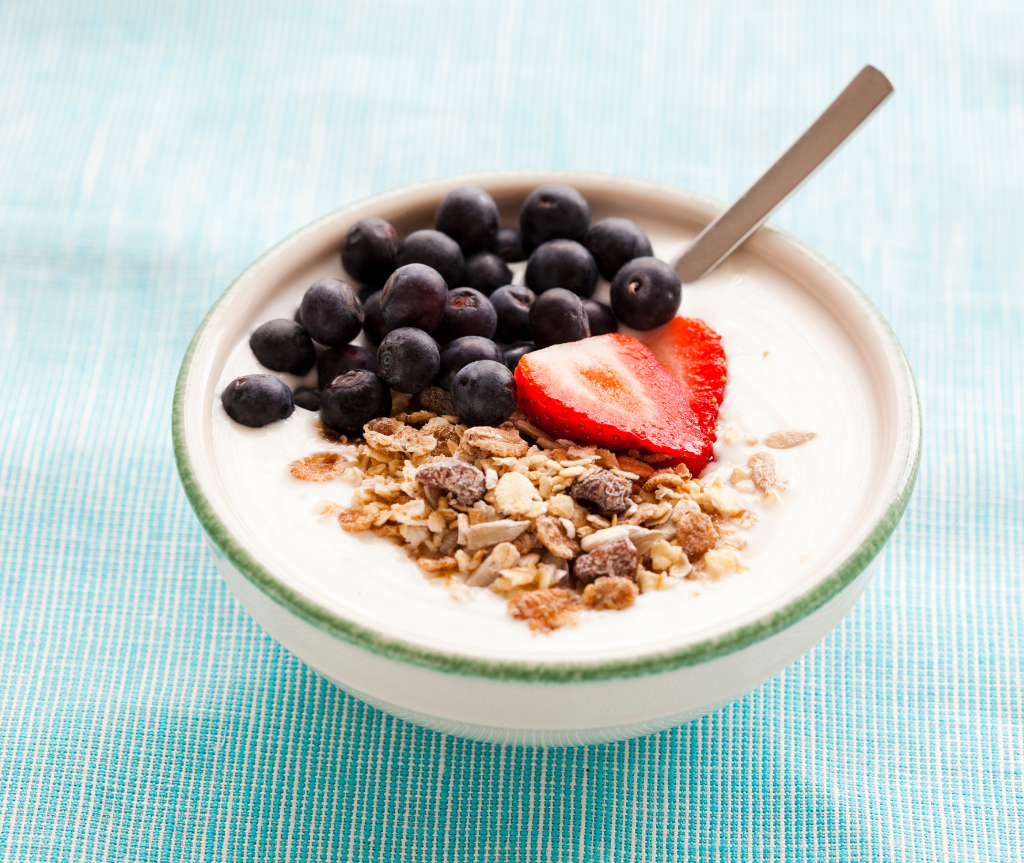
Make fermented foods part of your daily routine. Add yoghurt to your breakfast, mix kimchi into fried rice or scrambled eggs, drink kefir as a snack, or keep sauerkraut in the fridge to add to your lunch.
Pair fermented foods with meals you already enjoy. Add sauerkraut to a grain bowl, spread miso on avocado toast, or blend kefir into smoothies.
Try making your own. Homemade fermented vegetables are surprisingly simple. You just need vegetables, salt, water, and time. Making your own means you control the ingredients and can experiment with flavours.
Store them properly. Most fermented foods need to be refrigerated. Heat kills beneficial bacteria, so if you’re cooking with miso or adding sauerkraut to a hot dish, add it at the end or serve it on the side.
Be patient. It can take a few weeks for your gut to adjust and for you to notice changes. Most people start to feel benefits within 2 to 4 weeks of regularly eating fermented foods.
What to Look for When Buying Fermented Foods
Not all fermented foods in stores have live probiotics. Here is what to look for:
Look for labels that say “live and active cultures” or “raw.” This means the good bacteria are still alive. Pasteurised foods have been heated, which kills the probiotics.
Check the ingredients list. Fewer ingredients are better. Sauerkraut should have cabbage, salt, and maybe some spices. If vinegar is a main ingredient, it was pickled rather than naturally fermented.
Look for fermented foods in the refrigerated section. Live probiotics need to stay cold. If sauerkraut or kimchi is on a shelf at room temperature, it is probably pasteurised.
Pick options with little added sugar. Some kombuchas and flavoured yoghurts contain a lot of sugar, which can feed harmful bacteria and reduce the benefits of probiotics.
Can Fermented Foods Replace Probiotic Supplements?
For most people, fermented foods are better than probiotic supplements. They have more types of bacteria and also give you vitamins, minerals, and fibre.
Supplements can help if you have just taken antibiotics, have a digestive condition, or cannot eat fermented foods often. For most people, food-based probiotics are enough for gut health.
If you take probiotic supplements, you can still eat fermented foods. They work well together.
Who Should Be Cautious with Fermented Foods?
Most people can eat fermented foods safely, but there are some exceptions.
If you have a weak immune system from chemotherapy, HIV, or immune-suppressing medicines, talk to your doctor before eating fermented foods. Live bacteria can sometimes cause problems when your immunity is very low.
If you have histamine intolerance, fermented foods may trigger symptoms such as headaches, flushing, or stomach problems. This is because fermentation raises histamine levels in food.
If you need to eat less salt, remember that some fermented foods, such as sauerkraut, kimchi, and miso, are high in salt. Look for low-sodium versions or rinse them before eating.
If you are pregnant or breastfeeding, fermented foods are usually safe and beneficial. Choose well-known, store-bought options instead of homemade ones to lower the risk of contamination.
Starting Your Fermented Foods Journey
You don’t need to overhaul your entire diet. Using fermented foods to improve gut health is simple: start with one that appeals to you and build from there.
For example, you could add yoghurt to your breakfast this week, try sauerkraut with lunch next week, and experiment with kombucha the week after.
Making small, steady changes is better than trying to eat every fermented food at once. Your gut needs time to adjust, and good habits take time to build.
Notice how you feel as you add fermented foods. If you have less bloating, more regular bowel movements, or steadier energy, these are signs your gut microbiome is improving.
Moving Forward
Fermented foods for gut health are not just a trend. They are a lasting and tasty way to support your digestion and overall health. The probiotics in these foods help balance your microbiome, lower inflammation, improve digestion, and boost your immune system.
Eating fermented foods regularly can give you steadier energy, clearer thinking, a better mood, and improved well-being over time. The benefits grow slowly, so being consistent is important.
Start with small steps. Try new flavours from different cultures. Each time you eat fermented foods, you are helping your gut and your whole body.