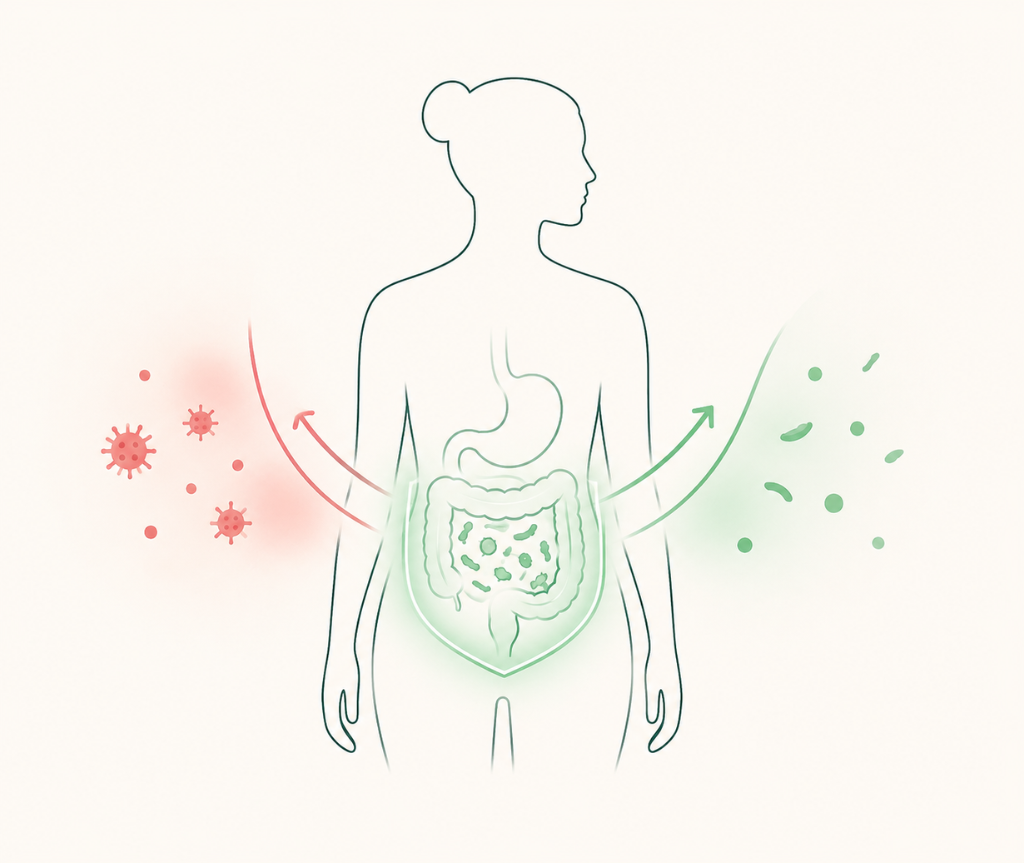

Some days you wake up tired for no obvious reason. The aches are there, the energy isn’t, and even a decent night’s sleep doesn’t seem to change it. That kind of low-level, chronic inflammation builds up slowly, and anti-inflammatory gut bacteria are often at its center.
Most people look to supplements or diet overhauls to manage it. But one of the strongest influences on chronic inflammation sits closer than most expect. The bacteria living in your gut include strains that actively calm the body’s inflammatory response, and they’re working whether you’re aware of them or not. Understanding what they actually do, and why it matters, is a good place to start.
What Anti-Inflammatory Gut Bacteria Actually Do
Your gut is home to trillions of bacteria, and not all of them do the same job. Some break down fiber. Some produce vitamins. Others play a specific role in regulating inflammation, doing so through several mechanisms that work simultaneously.
The most well-understood pathway involves short-chain fatty acids, or SCFAs. When certain gut bacteria ferment the fiber you eat, they produce compounds including butyrate, propionate, and acetate. Butyrate acts as a fuel source for the cells lining your gut wall. It keeps that lining intact and strong, which matters because a healthy gut lining controls what gets absorbed into the bloodstream. When it weakens, particles that shouldn’t pass through do, and the immune system responds with inflammation.
On top of that, beneficial gut bacteria directly help regulate immune responses. Around two-thirds of your immune cells live in or near the gut. They take their cues partly from the bacterial environment around them. When beneficial bacteria are thriving, they signal the immune system to stay measured rather than on high alert. When the balance tips toward less helpful strains, the immune system can start overreacting. It produces inflammation even when there’s no real threat.
Certain bacteria also produce anti-inflammatory molecules that travel beyond the gut, influencing immune activity elsewhere in the body. So the effect of a well-supported microbiome isn’t limited to digestion. The effects reach your joints, your skin, your brain, and beyond.
What Disrupts the Balance
Before looking at what supports anti-inflammatory gut bacteria, it helps to understand what works against them. Several common features of modern life reduce the diversity and number of beneficial strains.
A diet high in ultra-processed foods and low in fiber is the most significant factor. Beneficial bacteria depend on plant fiber to survive and produce the compounds that control inflammation. Without enough of it, their numbers drop, and less helpful strains fill the gap. High sugar intake has a similar effect, feeding bacteria that promote inflammation rather than those that calm it.
Stress, poor sleep, and antibiotic use all reduce bacterial diversity, too. Antibiotics can wipe out large numbers of beneficial strains alongside the harmful ones they target. Rebuilding that diversity takes time. Chronic stress keeps cortisol elevated, which disrupts the gut environment and reduces beneficial bacteria over weeks and months.
Foods That Support Anti-Inflammatory Gut Bacteria
Diet is the most direct way to influence which bacteria thrive in your gut. The evidence clearly points to plant variety and fermented foods as the most effective tools.
Fiber-rich plant foods, particularly those containing prebiotic fiber, provide the raw material that anti-inflammatory bacteria need to produce SCFAs. Good sources include garlic, onions, leeks, and oats. Legumes and asparagus are worth adding to. Variety matters more than volume here. Aiming for around 30 different plant types across the week supports greater bacterial diversity than eating the same foods on rotation.
Fermented foods bring a different benefit. Yogurt, kefir, kimchi, sauerkraut, miso, and kombucha all contain live cultures that add directly to your microbiome. Regular small servings work better than large occasional ones. One serving of fermented food per day provides your gut with a consistent supply of beneficial strains. Check the label when choosing fermented products. Look for naturally fermented options with live cultures. Heat-treated versions no longer contain active bacteria.
Polyphenols, the plant compounds found in berries, dark chocolate, green tea, and olive oil, are worth including too. They feed beneficial strains directly and carry their own anti-inflammatory properties.
The Lifestyle Side That Most People Underestimate
Food gets most of the attention in gut health conversations, but sleep and stress management also affect anti-inflammatory gut bacteria in ways that are just as significant and often more neglected.
During sleep, the gut does its restorative work. The microbiome follows its own daily rhythm. Consistently poor sleep disrupts that rhythm and reduces the diversity of beneficial strains over time. Most adults need seven to nine hours. Even shifting bedtime thirty minutes earlier makes a difference. Keeping that time consistent across the week supports gut bacterial balance more than most people expect.
Chronic stress raises cortisol, which directly suppresses beneficial gut bacteria and increases intestinal permeability. That weakens the gut lining that anti-inflammatory bacteria work hard to maintain. Managing stress doesn’t require dramatic changes. Regular physical activity, time outdoors, and consistent sleep all lower the cortisol burden on the gut. Where stress feels persistent or unmanageable, talking to a doctor or a mental health professional is a sensible step.
How Your Gut Health Affects Your Whole Body (And What You Can Do About It)
The Difference You Can Actually Feel
When anti-inflammatory gut bacteria are well supported, the effects are gradual but real. Better digestion is usually the first thing people notice, followed by steadier energy and fewer of those unexplained low days. For people managing conditions linked to chronic inflammation, such as joint pain, skin issues, or autoimmune conditions, supporting the gut microbiome through diet and lifestyle is worth discussing with a doctor as part of a wider management plan.
Those tired mornings, the aches without a clear cause, the low mood that lingers — supporting your gut bacteria won’t make them disappear overnight. But it’s one of the more direct ways to address what’s driving them. Start with one change this week. Add a new vegetable to a meal you already cook, try one fermented food, or go to bed thirty minutes earlier. Those small additions shift the balance. And the more consistently you make them, the more clearly you’ll feel it.