
Japanese diet secrets have been hiding in plain sight for centuries. The way people eat in Japan is one of the clearest explanations for why they live longer and stay healthier than almost anyone else on the planet.
Discover 5 Japanese eating habits that support longevity — and you’ll quickly see why variety, fermented foods, and mindful eating can improve your health today. Small portions, seasonal ingredients, and a deep respect for food aren’t trendy wellness strategies.
They’re daily habits passed down through generations. Once you understand the simple lessons behind the Japanese diet, you’ll see exactly why these choices make such a big difference to your health.
1. Meals Start With Soup, and There’s a Good Reason for That
Almost every traditional Japanese meal begins with a small bowl of miso soup or broth. It’s not just a warm-up course. Starting with soup does something useful for your body before the main dishes even arrive.
Warm liquid fills part of your stomach and naturally slows the pace of your meal. By the time you get to the rice, fish, and sides, you’re already part of the way there. This makes it easier to stop at that 80% full point without thinking too hard about it. The two habits work together quietly.
Miso soup is one of the easiest things you can add to your routine. A small pot takes about five minutes. Use miso paste, hot water, soft tofu, and a few slices of scallion. If miso isn’t your thing, a small cup of vegetable broth or a light, clear soup works just as well. The goal is simply to start your meal with something warm and liquid, rather than diving straight into the main course.
2. They Eat Until 80% Full (Hara Hachi Bu)
A key Japanese eating habit is called hara hachi bu. This means stopping when you feel about 80% full, instead of eating until you’re stuffed. If you’re used to finishing everything on your plate, this might feel unusual. But it actually takes your stomach 15 to 20 minutes to signal your brain that you’ve had enough.
If you eat quickly or keep going until you’re completely full, you often end up eating more than your body needs. The signal that you’re full comes a little later. By stopping at 80%, you avoid feeling overly stuffed. Your digestion also works better when you don’t overload it.
This habit also makes it easier to manage your weight over time. You don’t have to count every calorie or feel restricted. Instead, you’re paying attention to what your body really needs, rather than eating out of habit.
How to Practice This Yourself
You don’t have to figure out exact percentages. Just try to slow down. Set your fork down between bites and avoid eating while using your phone. Halfway through your meal, pause and check if you’re still hungry. Ask yourself if you’re eating because you need food or just because it’s in front of you.
Start by trying this with just one meal a day. Most people can spot the 80% full point after a week or two. Your body already knows when you’re satisfied instead of stuffed—you just have to notice it.
3. Meals Include More Variety in Smaller Portions
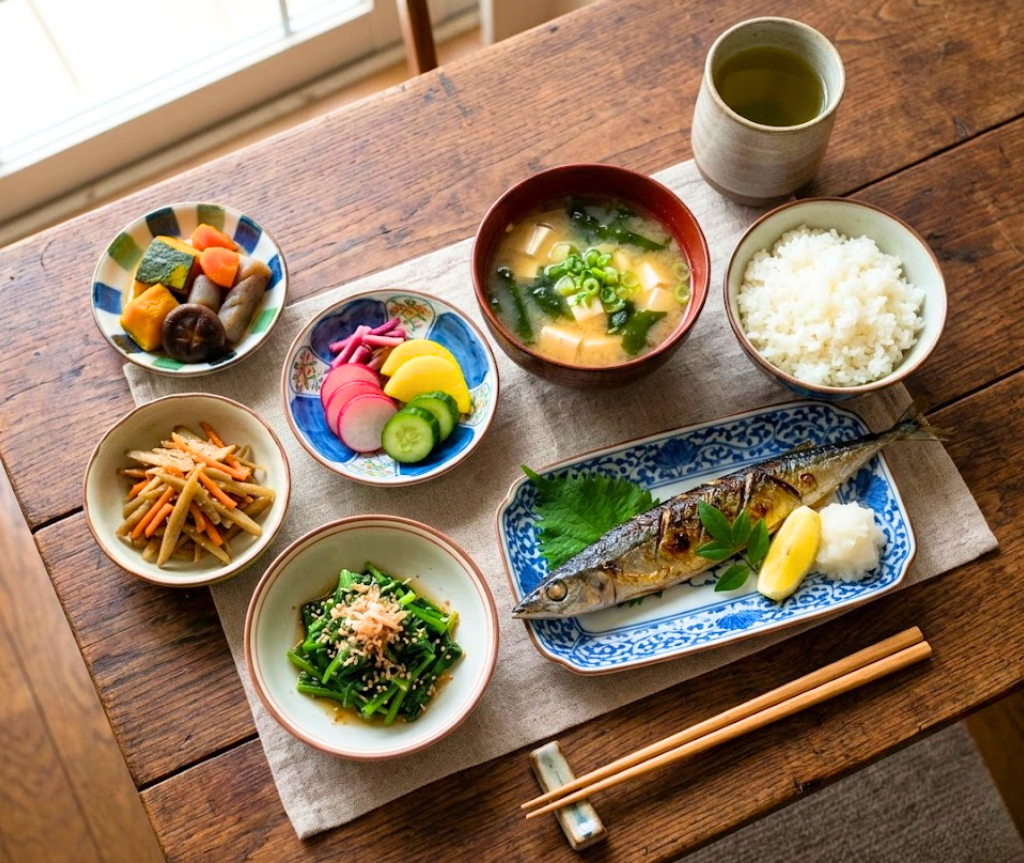
Traditional Japanese meals usually include several small dishes instead of one big plate. You might see miso soup, steamed rice, grilled fish, pickled vegetables, and a small salad. Each serving is small, but together they make a meal that feels full and satisfying.
Eating a mix of foods gives you more nutrients and keeps meals interesting. With five or six different flavors and textures, you’re less likely to overeat any one thing. Your brain sees variety as abundance, even if the portions are small.
Think about a big bowl of pasta or a large steak with just one side. With only one flavor, it’s easy to keep eating and lose track of how much you’ve eaten.
Simple Ways to Add Variety
You don’t need any special ingredients to add variety. Try using smaller bowls and plates. Serve three or four small sides instead of one big portion. Add different colors and textures to your plate. For example, some steamed greens, pickled cucumbers, a small piece of protein, and a grain can give you balance without much extra work.
Prepare a few versatile side dishes at the start of the week. Quick-pickled vegetables, steamed broccoli, or roasted sweet potatoes can be used in several meals. This way, you can add variety even when you’re short on time.
4. Fermented Foods Are Daily Staples, Not Occasional Add-Ons
In Japan, fermented foods are a regular part of almost every meal, not just a health trend. Miso soup, natto, pickled vegetables, and tsukemono are eaten daily. These foods provide helpful bacteria that support your gut and aid digestion.
Gut health affects more than just your stomach. It impacts your immune system, mood, energy, and how well you absorb nutrients. Eating fermented foods often helps keep your whole system working well.
The important thing is to be consistent. Eating kimchi just once a month won’t help much. But adding a small serving of miso soup or pickled vegetables to your meals regularly can make a real difference. Your gut bacteria need steady nourishment, not just the occasional boost.
Easy Fermented Foods to Start With
Miso soup is quick to make—just five minutes. Use instant miso paste, add hot water, tofu, and scallions. You can find pickled ginger or vegetables in most grocery stores. If Japanese pickles aren’t available, kimchi is a good substitute.
Natural yogurt or kefir offers similar benefits. Make sure they have live cultures and aren’t full of added sugar. Even a small serving each day can help your gut.
5. They Drink Green Tea Instead of Sugary Drinks
In Japan, green tea isn’t a wellness ritual. It’s just what people drink, all day long. Hot or cold, at meals or between them, it replaces the sugary drinks and fruit juices that most Western diets are built around. That one swap alone makes a quiet but meaningful difference to overall health.
Green tea contains compounds called catechins that support heart health and help your body manage fat more efficiently. It also has L-theanine, an amino acid that takes the edge off caffeine and promotes calm, steady focus. So instead of the spike and crash you get from coffee or soda, you get something more balanced.
You don’t need to drink six cups a day to see a benefit. Start with one or two cups and go from there. Choose plain green tea without added sugar or flavoring. Matcha works too, just watch the portion size since it’s more concentrated. Over time, replacing even one sugary drink a day with green tea is a habit your body will thank you for.
6. Fish and Plant Proteins Take Priority Over Red Meat
Japanese meals often focus on fish, tofu, edamame, and seaweed. Red meat is eaten sometimes, but it’s not the main choice every day. This is important because fish provides omega-3 fatty acids that are good for your heart and help lower inflammation. Plant proteins like tofu give you nutrients without the saturated fat found in beef or pork.
You don’t need to stop eating red meat completely. Just making some changes can help. If you usually eat beef or pork five times a week, try replacing two or three of those meals with fish or plant-based options.
Salmon, mackerel, and sardines are rich in omega-3s. Tofu is flexible and absorbs the flavors you cook it with. Edamame is a healthier snack than chips and gives you more protein.
Practical Protein Swaps
Try using crumbled tofu instead of ground beef in stir-fries or tacos. Add canned salmon to salads or grain bowls. Keep frozen edamame in your freezer for a quick side dish. These swaps are easy and don’t need special cooking skills or pricey ingredients.
If you’re used to having meat at every meal, it might take some getting used to. But most people find they don’t miss it as much as they thought, once they enjoy the variety.
7. Meals Are Treated as Mindful Moments, Not Rushed Tasks
In Japanese culture, meals are meant to be enjoyed with your full attention. People usually sit down to eat, often using chopsticks, which naturally slows the pace. There are fewer distractions from screens or multitasking. Before eating, people say “itadakimasu,” taking a moment to appreciate the meal before starting.
Being mindful while eating helps you notice when you’re full. If you eat while looking at your phone or watching TV, you might miss those signals and keep eating past the point where your body would normally stop.
Eating slowly also helps your digestion. When you chew your food well, it’s easier for your stomach to handle. Your digestive enzymes work better, and you’re less likely to feel bloated or uncomfortable.
Create Your Own Mindful Eating Routine
Turn off the TV and leave your phone in another room. Sit at a table instead of the couch. Before you begin, take three deep breaths. This small routine helps you focus on your meal and stay present.
Chew each bite well and set your fork down between bites, rather than getting the next bite ready while you’re still chewing. These small changes can make your meals feel completely different.
You don’t have to change everything at once to see results. Even small steps, like adding more variety, eating fermented foods, or being more mindful, can make a big difference in how you feel. Choose one habit that seems manageable and start there. Lasting changes come from small, steady steps, not trying to do it all at once.
The Bottom Line
The Japanese diet isn’t a strict plan you have to follow perfectly. It’s a collection of small, thoughtful habits that add up over time. You don’t need to overhaul your kitchen or learn complicated recipes.
Pick one thing from this list and try it for a week. Maybe it’s pausing halfway through a meal to check in with your hunger. Maybe it’s adding miso soup to your morning routine.
Small shifts like these are how real change happens, and your body will notice the difference sooner than you think.