
For decades, heart disease has topped the global death charts. Yet people living along sun-soaked Mediterranean shores have consistently dodged heart trouble — even though their plates are rich with fats.
Their secret? Sticking to a Mediterranean diet for heart health is a vibrant, science-backed way of eating that protects your heart without any restrictions or bland meals in sight.
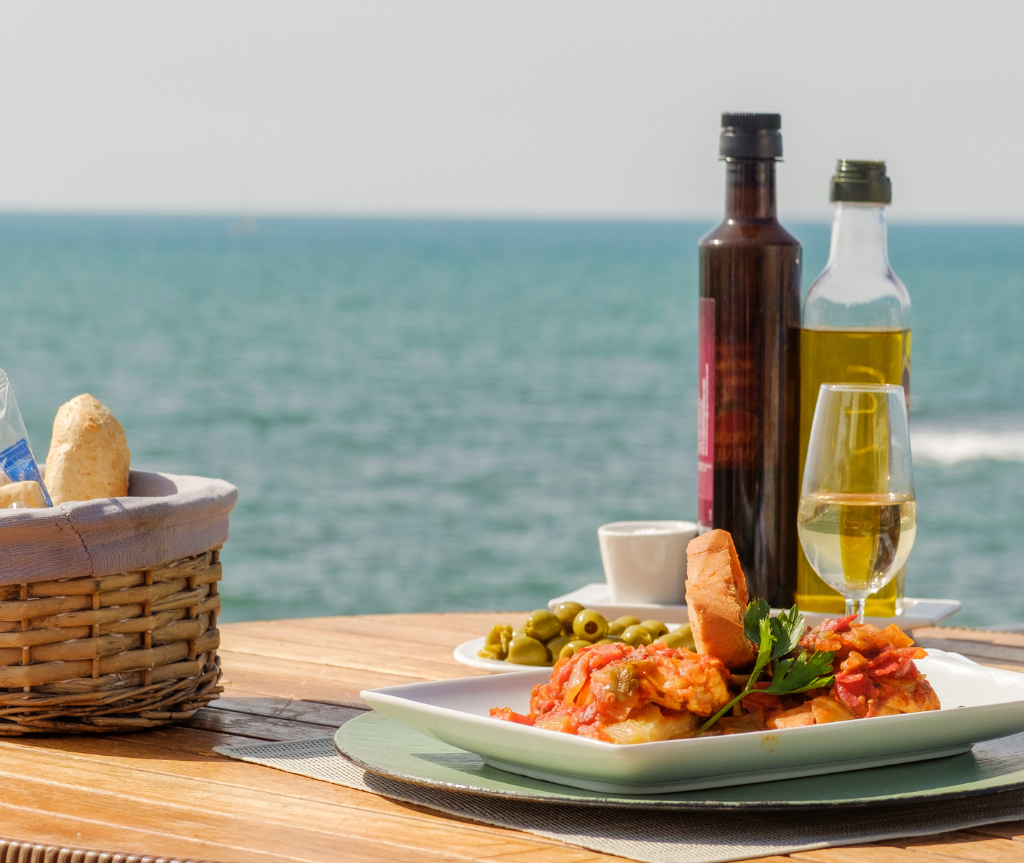
This isn’t about cutting out foods you love. It’s about filling your plate with colour: ripe tomatoes, glossy olive oil, grilled fish, crusty bread, handfuls of almonds. Backed by over 50 years of research, it’s one of the most proven ways to keep your heart strong, your arteries clear, and your meals genuinely enjoyable.
Let’s explore why this approach works — and how you can start today.
The Science Behind the Mediterranean Diet
You’ve heard people say it’s “good for your heart.” But what does the evidence actually show?
Turns out, the Mediterranean diet, which is good for heart health, isn’t built on trends or guesswork. It’s grounded in decades of careful study. Here’s how scientists discovered its power.
The Seven Countries Study: Where It All Began
Back in the 1960s, researchers noticed something puzzling. Some countries had sky-high heart attack rates. Others? Barely any.
A landmark study — the Seven Countries Study — examined eating patterns worldwide. When they looked at Crete, a Greek island, they found something extraordinary.
Farmers there ate plenty of fat: olive oil, nuts, fish, and cheese. Yet heart attacks were rare. In contrast, people in the US and Northern Europe — eating less fat overall — suffered far more heart disease.
This “Mediterranean paradox” sparked curiosity. Could their eating habits actually protect the heart?
The PREDIMED Trial: Modern Proof That Changed Everything
Fast-forward a few decades. Researchers in Spain wanted solid answers. So they launched the PREDIMED trial—an extensive, rigorous study involving thousands of adults at high risk of heart problems.
Participants were split into groups. Some followed a Mediterranean diet (rich in olive oil, nuts, vegetables, and fish). Others stuck to a standard low-fat diet.
The results were so striking that the study ended early. Why? People who eat a Mediterranean-style diet have about 30% lower risk of heart attack, stroke, or dying from heart disease.
Even those with diabetes, high blood pressure, or other risk factors saw real protection.
What Happens When You Look at All the Evidence?
Scientists don’t rely on one study alone. They gather dozens of studies together — called meta-analyses — to see if the results hold up across different populations.
And they do. Consistently.
People who follow the Mediterranean diet have:
- 24% lower risk of developing heart disease
- 23% lower risk of dying from any cause
- 25% lower risk for women specifically
This isn’t a fad. It’s one of the most studied, most validated eating patterns in the world. And it works at any age.
How Does the Mediterranean Diet Protect Your Heart?
It’s not just what you eat. It’s how those foods work together inside your body. Here’s what happens when you eat Mediterranean-style:
1.It Cools Down Inflammation
Chronic inflammation is like a slow fire burning inside your blood vessels. Over time, it makes cholesterol stick to artery walls, forming dangerous blockages.
Foods like extra-virgin olive oil, berries, leafy greens, and walnuts are rich in antioxidants and polyphenols. These act like natural firefighters, calming inflammation before it damages your heart.
This is one of the main reasons the Mediterranean diet lowers heart disease rates so effectively.
2. It Balances Your Cholesterol
Cholesterol gets confusing. Here’s the simple version:
- HDL cholesterol (the “good” kind) sweeps excess cholesterol out of your bloodstream.
- LDL cholesterol (the “bad” kind) can clog your arteries if levels get too high.
The Mediterranean diet raises your HDL while lowering LDL and triglycerides (another type of blood fat). This triple effect keeps your arteries clear and blood flowing smoothly.
3. It Lowers Blood Pressure Naturally
High blood pressure — often called the “silent killer” — quietly damages arteries over time, even when you feel fine.
The Mediterranean approach naturally brings blood pressure down. Potassium-rich fruits and veg, fibre from whole grains, and healthy fats replace salty processed foods. Over time, both your systolic (top number) and diastolic (bottom number) readings drop gently and steadily.
4. It Keeps Blood Vessels Flexible
Healthy arteries are like flexible garden hoses — they expand and contract easily, letting blood flow freely.
Mediterranean staples — olive oil, fatty fish, dark leafy greens — help keep your blood vessels elastic and responsive. This reduces your risk of dangerous clots, heart attacks, and strokes.
5. It Supports Your Metabolism
Metabolic health is how well your body manages blood sugar, fat storage, and hormones.
The Mediterranean diet, which is designed to improve your heart health, helps your body use insulin more efficiently (the hormone that controls blood sugar). It also reduces harmful belly fat. Together, this lowers your risk of metabolic syndrome — a cluster of issues like high blood sugar, excess belly fat, and raised blood pressure that dramatically increases heart disease risk.
What’s On a Mediterranean Plate? The Heart-Healthy Essentials
The real magic isn’t one superfood. It’s the combination of simple, whole, nutrient-rich ingredients working in harmony.
The Foundation:
- Extra virgin olive oil — your main fat, packed with monounsaturated fats and protective polyphenols
- Fruits and vegetables — as many colours as possible
- Whole grains — think brown rice, oats, quinoa, whole-grain bread
- Legumes — chickpeas, lentils, white beans
- Nuts and seeds — almonds, walnuts, sunflower seeds
Regular Additions:
- Fish and seafood — at least twice a week for omega-3s
- Moderate dairy — Greek yoghurt, feta, a little cheese
- Herbs and spices — basil, oregano, garlic, cumin
Occasional Treats:
- Red wine — a small glass with meals (optional)
- Poultry and eggs — in moderation
- Red meat — rarely, and in small amounts
What You’ll Naturally Avoid:
- Processed foods
- Added sugars
- Refined carbs
This eating style steers you toward anti-inflammatory, nutrient-dense foods — and away from the stuff that clogs arteries and spikes blood sugar.
Your Heart-Healthy Path Forward
Decades of research confirm it: the Mediterranean diet, designed naturally to protect your heart health, is one of the most effective ways to reduce heart disease, stroke, and early death.
But here’s what matters most. This isn’t about perfection. It’s about progress.
Start small. Swap butter for olive oil. Add a handful of walnuts to your morning yoghurt. Grill salmon instead of steak. Toss extra veg into your pasta. Each choice nudges your heart in the right direction.
The real power comes from making this a lifestyle, not a quick fix. When you eat this way consistently — enjoying meals, savouring flavours, nourishing your body — you’re not just lowering cholesterol numbers or blood pressure readings.
You’re protecting the heart that’s been with you all along. And you’re doing it with food that actually tastes good.
Your heart deserves that kind of care.