
Many people feel frustrated by stubborn belly fat. But it’s not just about looks. Fat that builds up around your liver and pancreas can harm your health. It increases your risk for heart disease and type 2 diabetes, and it can also cause ongoing inflammation in your body.
You can reduce belly fat by building helpful habits. Losing fat doesn’t require perfection or being hard on yourself. It’s about making daily choices that support your body. Here are eight proven ways to get real results.
Key InsightBelly fat is more than a cosmetic issue. Fat stored around your organs increases your risk for heart disease, type 2 diabetes, and inflammation. Almost half of adults have extra belly fat and may not realize its impact on their health. Simple habits like eating more fiber, drinking water before meals, and moving every day can help reduce belly fat and boost your energy, sleep, and heart health in just a few weeks. |
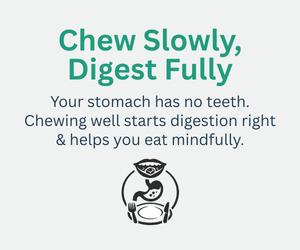
1. Eat slowly and chew thoroughly
It takes about 20 minutes for your brain to realize you’re full, but most people finish eating before that happens. This delay can lead to overeating, especially if you start a meal feeling very hungry.
Eating slowly lets your brain catch up with your stomach. People who take their time at meals often eat fewer calories without effort and digest food better. This habit can also help reduce bloating. You’ll find it easier to stop eating when you feel satisfied, not overly full.
To try this, set your fork down between bites and take a breath before you begin eating. You may notice you feel full with less food.
2. Reduce refined carbohydrates
Foods like white bread, pasta, and pastries cause your blood sugar to rise quickly and then drop just as fast. These ups and downs make your body release more insulin, the hormone that manages blood sugar. Too much insulin tells your body to store more fat, especially around your belly.
Whole grains, vegetables, and beans act differently. They provide steady, lasting energy and help keep your insulin levels stable. Switching to these foods helps your body manage blood sugar better, and over time, you’ll notice belly fat starting to decrease.
Try starting by swapping your usual white toast or cereal for oats, quinoa, or rye bread at breakfast. This can help keep your energy steady through the morning.
3. Increase your fiber intake
Fiber is important for three reasons. It slows digestion, helping you feel full longer. It feeds the good bacteria in your gut, which affects how your body uses energy and manages inflammation. Soluble fiber, which dissolves in water, is especially helpful for reducing belly fat.
You can find soluble fiber in foods like oats, beans, apples, and chia seeds. It helps your body use insulin better and naturally reduces your appetite.
Most adults eat only about half of the recommended 25 to 38 grams of fiber each day, so there’s plenty of room to improve.
Try adding one fiber-rich food to each main meal. For example, toss beans into your salad, stir chia seeds into your yogurt, or add an extra serving of vegetables at dinner.
4. Limit processed foods
In most grocery stores, you’ll find shelves full of foods made to taste good but not necessarily be good for you. Many packaged snacks and ready meals are high in added sugar, unhealthy fats, and salt, but low in fiber and real nutrients.
This mix of ingredients can make you eat more than you need, disrupt your blood sugar, and increase inflammation in your body. All of these factors make belly fat harder to lose.
Whole foods do the opposite. Vegetables, fruits, whole grains, lean proteins, and healthy fats help fill you up and support your body’s health. You’ll notice benefits beyond just weight loss—your energy will improve, and you’ll feel better overall.
Try this: Pick one packaged food from your kitchen and read the ingredient list. If it has more than five ingredients or contains words you don’t recognize, consider replacing it with a more natural option.
5. Stay properly hydrated
Sometimes your body confuses thirst for hunger. This can make you reach for a snack when what you really need is a glass of water.
Drinking water before meals can help you eat less without feeling hungry, and this is especially helpful if you’re over 50. People who drink two glasses of water about 30 minutes before eating often lose more weight over time than those who don’t.
Staying hydrated supports your metabolism and helps your kidneys remove waste. If you exercise, staying well hydrated makes activity feel easier. Aim for about eight glasses of water a day and drink more if you’re active or it’s hot outside.
A simple change is to pour a glass of water 30 minutes before each meal. This habit helps you stay hydrated and better understand when you’re truly hungry.
6. Include protein at every meal
Protein helps with belly fat in several ways. It keeps you full between meals, protects your muscles as you lose weight, and your body uses more energy to digest protein than it does for carbs or fats.
Over time, this leads to less belly fat and more lean muscle.
Try to include a palm-sized portion of protein with every meal. Eggs, fish, chicken, tofu, beans, and Greek yogurt are all good choices. This helps keep your blood sugar steady and reduces those mid-afternoon snack cravings.
It’s better to spread your protein intake throughout the day instead of eating most of it at dinner, since your body can only use so much at a time.
For a quick improvement, add protein to your breakfast if you usually have just toast or cereal. Try a boiled egg, some Greek yogurt, or a protein smoothie. This will help you stay full until lunch.
7. Exercise regularly
Moving regularly burns calories and builds muscle. It also helps your body respond more effectively to insulin and targets deep belly fat around your organs.
You don’t need intense workouts. For most people, being consistent is more important than working out hard. Target for 150 minutes of moderate activity spread across the week. Brisk walking counts. So does cycling, swimming, or dancing in your living room. Add some resistance training twice a week. Lifting weights or using resistance bands builds muscle, which keeps your metabolism running higher even when you’re resting.
Small actions matter too. Take the stairs instead of the elevator, walk during phone calls, or do squats during commercial breaks. Every bit helps with fat loss.
Choose an activity you enjoy and commit to 20 or 30 minutes today. The best exercise is the one you’ll keep doing because it doesn’t feel like a chore.
8. Consider time-restricted eating carefully
Intermittent fasting focuses on when you eat rather than what you eat. A common approach is to eat only within an 8- to 10-hour window each day. This naturally leads most people to eat fewer calories. It may also help your body use insulin more effectively.
But it’s not for everyone.
Time-restricted eating can be difficult if your work schedule changes often. It’s also not ideal if you’ve had issues with disordered eating before, or if you need to take medication with food at certain times.
Pregnant or breastfeeding women shouldn’t try intermittent fasting. Neither should people with diabetes, especially if they take insulin. Anyone with chronic health conditions should check with their doctor first.
If you want to try, start by eating breakfast an hour later a few days this week. Pay attention to how your hunger and energy change. If it feels okay, you can try a longer fasting window. If it feels bad, this method may not be right for you.
Building sustainable habits
Losing belly fat isn’t about reaching a certain number on the scale. It’s about creating habits that will support your health for the long term.
Every mindful meal, daily walk, and glass of water helps you become a healthier version of yourself.
Progress can feel slow, especially if you’ve had extra belly fat for a long time. But even small changes in your waist size help your body handle insulin better, lower inflammation, and reduce your risk for heart disease. These benefits often happen before you see big changes in the mirror.
Being consistent matters more than being perfect. Small steps, repeated every day, lead to real change.