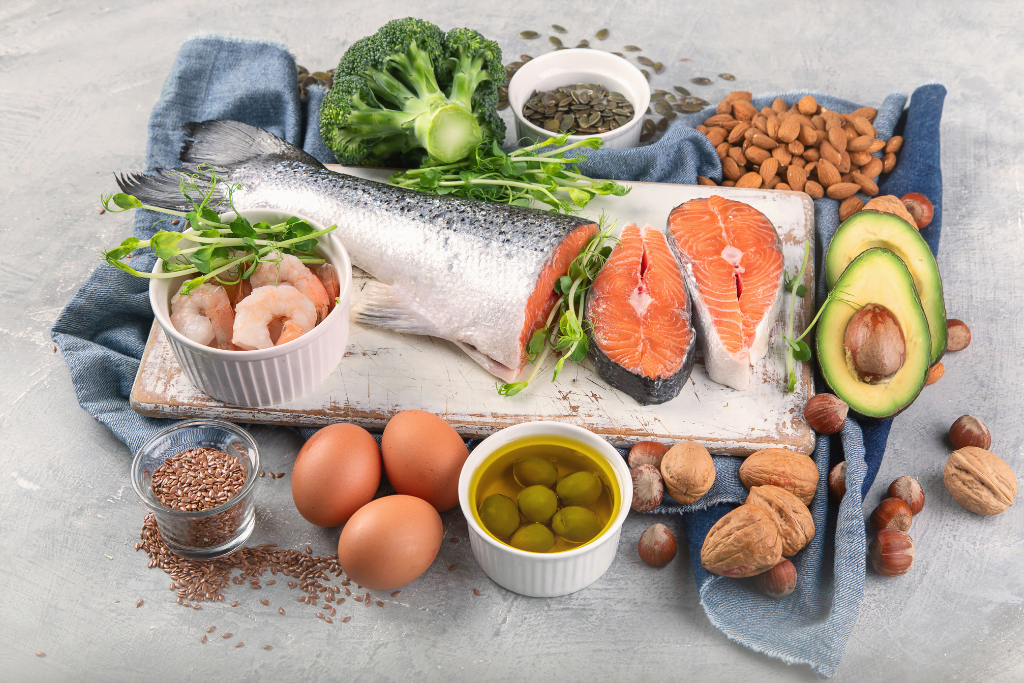

You might feel lighter and calmer after some meals, and omega-3 foods could be one reason why. These important fats support your cells, help manage inflammation, and keep your heart, brain, and joints healthy.
Since your body can’t make omega-3s, you need to get them from what you eat. While many people know healthy fats are important, omega-3s are especially worth focusing on. They play a key role in your daily health.
The good news is that many common foods have omega-3s. Once you know what to look for, it’s easy to add them to your meals.
Key Insight:Omega-3 foods give you essential fats that your body can’t make by itself. These fats help lower inflammation, protect your heart, and boost brain health. There are three main types: ALA (from plants like chia and flax), EPA (from oily fish), and DHA (also from fish and important for your brain). Your body doesn’t convert plant-based ALA into EPA and DHA very well, so eating oily fish like salmon, mackerel, or sardines twice a week gives you the most benefit. Just 500mg of dailyOmega-3 can lower heart disease risk. Simple additions like ground flaxseeds on porridge or a handful of walnuts as a snack can make a real difference to your long-term health. |
What Are Omega-3 Fats?
Omega-3s are a kind of polyunsaturated fat. While eating too much saturated fat can raise your cholesterol, omega-3s help your heart and lower inflammation.
There are three main types of omega-3 fatty acids. Alpha-linolenic acid (ALA) is found in plants like chia seeds, flaxseeds, and walnuts. Eicosapentaenoic acid (EPA) and docosahexaenoic acid (DHA) are mostly in oily fish such as salmon, mackerel, and sardines. Your body can turn a little ALA into EPA and DHA, but not very well—only about 5-10% gets converted.
That’s why eating fish or taking supplements matters if you want all the benefits. EPA and DHA work right away in your body. They help make molecules called eicosanoids, which control inflammation, blood flow, and clotting. You can think of them as tiny messengers that help your body heal and repair itself.
Why Omega-3 Foods Matter for Your Health
Research shows that omega-3s impact almost every part of your body. They’re not just “good for you”—they have clear, proven effects on your health.
1. They Protect Your Heart
If you want to take care of your heart, adding omega-3 foods is an easy step. Studies show they lower triglycerides, which are blood fats that raise heart disease risk if they’re too high. Omega-3s also boost your “good” HDL cholesterol and help your blood vessels stay flexible.
Over time, omega-3s help lower inflammation in your arteries and reduce the risk of plaque build-up. If you already have heart problems, they can lower the chance of irregular heartbeats and sudden heart issues. Even if you’re healthy, omega-3s offer long-term heart protection.
Nutrition research shows that just 500mg of omega-3s a day can help. One serving of oily fish each week (about 140g cooked) usually gives you enough.
2. They Reduce Inflammation
Chronic inflammation can quietly cause problems like joint pain and tiredness. If you wake up with stiff joints or feel tired without a clear reason, inflammation could be part of the cause.
Omega-3s naturally fight inflammation. They do this by balancing out omega-6 fats, which can increase inflammation, and help your body make fewer inflammatory molecules. That’s why doctors often suggest omega-3-rich foods for people with arthritis, joint pain, or autoimmune issues.
You might not feel better right away, but many people notice less joint stiffness and more energy after a few weeks of eating more omega-3s.
3. They Support Brain Function and Mood
DHA is a big part of your brain’s structure. It helps your brain cells talk to each other and supports memory, focus, and learning. Some studies suggest that people who eat more omega-3 foods may have a lower risk of memory loss as they get older.
There’s more and more evidence that omega-3s might help with mood. Some studies link eating more omega-3s to lower rates of depression and anxiety, though it’s a complex topic and more research is needed. Still, eating well to support your brain is a good idea for your mental health.
Best Omega-3 Foods to Eat
Whether you eat fish or stick to a plant-based diet, you have lots of omega-3 foods to pick from. Here are some of the best options to add to your week.
1. Salmon
Salmon is one of the best natural sources of omega-3s, with about 4,500mg per 100g serving. It’s also full of vitamin D and good protein. Both wild and farmed salmon are healthy, but wild salmon usually has a bit more omega-3.
Salmon has less mercury than bigger fish like tuna, so it’s safer for kids and pregnant people. You can grill, bake, or poach it—it’s tasty and easy to prepare.
2. Mackerel
Mackerel gives you about 2,300mg of omega-3s per 100g. It’s also high in vitamins A and D, selenium, and calcium.
It has a strong flavor that many people enjoy. Try it simply with lemon and herbs.
Since mackerel is oily, it goes bad faster than white fish. Buy it fresh and eat it soon, or pick smoked or canned mackerel for convenience.
3. Sardines
Sardines may be small, but they have about 560mg of omega-3s per serving. They’re also high in calcium (if you eat the bones) and vitamin B12.
Tinned sardines on toast are a quick, healthy meal. They’re also a sustainable choice, which is good if you care about overfishing.
4. Chia Seeds
One tablespoon of chia seeds has about 1,800mg of ALA. They also give you fiber and protein.
Chia seeds soak up liquid and turn gel-like, so they’re great in puddings, smoothies, or overnight oats. Just add a spoonful to your breakfast.
5. Flaxseeds
Two tablespoons of ground flaxseeds give you about 2,000mg of ALA. Their nutty taste is good in porridge, yogurt, or baking.
Your body absorbs ground flax better than whole seeds, so buy them ground or grind them at home. Keep them in the fridge to stay fresh.
6. Walnuts
A small handful of walnuts (about 30g) has around 2,500mg of ALA. They’re also full of antioxidants and help your gut. Eat them as a snack, add to salads, or blend into pesto.
7. Soybeans and Edamame
Soybeans give you protein, fiber, and omega-3s. One cup of cooked edamame has about 560mg of ALA. They’re a quick, tasty snack or side—just steam and add a little sea salt.
8. Canola Oil
One tablespoon of canola oil has about 1,300mg of ALA. Its mild taste and high smoke point make it great for cooking. Use it to sauté vegetables or in salad dressings.
9. Brussels Sprouts
Roasted Brussels sprouts give you antioxidants, vitamin K, and a little ALA (about 44mg per serving). They won’t cover all your omega-3 needs, but they help and offer other nutrients too.
10. Fortified Foods
If you don’t eat fish, try omega-3-fortified eggs, milk, yogurt, or cereals. These foods have added omega-3s, but amounts differ by brand, so check the label.
They’re an easy way to get more omega-3s without big changes to your diet.
Simple Ways to Add More Omega-3 Foods
You don’t have to change your whole diet to get the benefits of omega-3s. Small, steady changes are easier to stick with than big, sudden ones.
If you eat fish, try to have two servings of oily fish each week. Each serving should be about the size of your palm (around 140g cooked). If you’re pregnant, breastfeeding, or planning to be, check NHS guidelines because some fish have more mercury.
For plant-based options, add ground flaxseeds or chia seeds to your breakfast each day. Snack on a handful of walnuts in the afternoon. Use canola oil for cooking instead of other oils. These small habits make a difference over time.
If you find it hard to eat enough omega-3 foods, supplements can help. Fish oil and algae-based supplements (for vegans) both work. If you take blood-thinning medicine, talk to your doctor first because omega-3s can affect clotting.
Building Lasting Habits
Omega-3s aren’t a magic fix, but they’re an important part of a healthy diet. Getting the right mix of ALA, EPA, and DHA helps lower inflammation, protect your heart, and support your brain.
You don’t have to get the perfect amount every day. What counts is the habits you build over time. Start with one small step—try a sardine or salmon sandwich once a week, add seeds to your breakfast, or pick heart-healthy oils.
These changes might seem small, but they add up. Your body benefits from steady habits, not perfection.