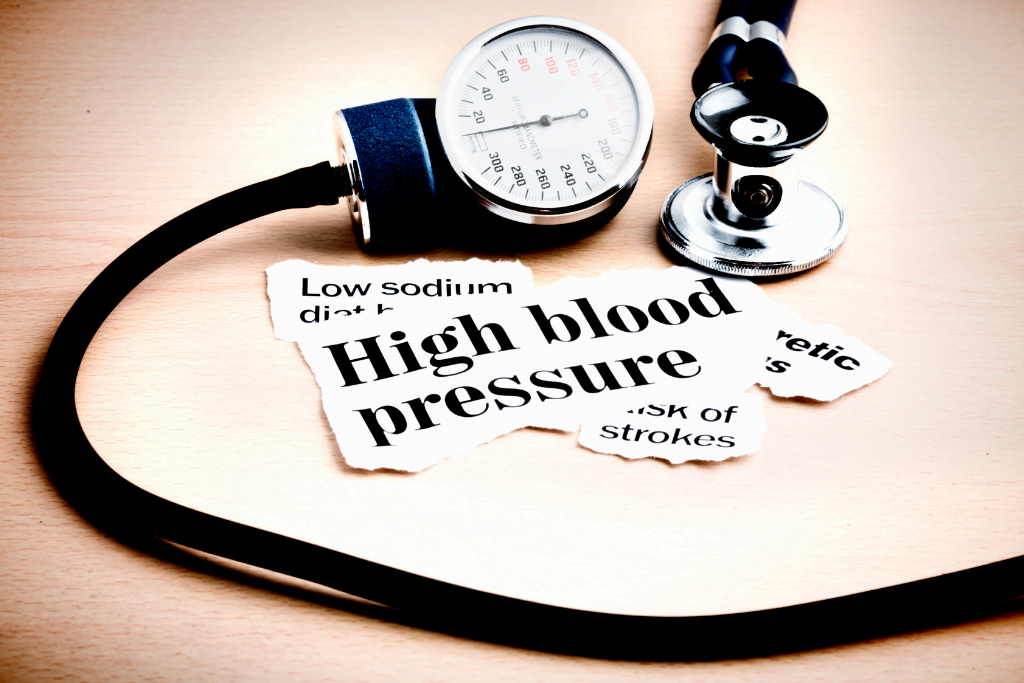

Many people don’t pay attention to their blood pressure until they get a high reading. You can feel completely normal and still have high blood pressure that is quietly putting extra strain on your heart, blood vessels, and organs.
According to the World Health Organization, about one in three adults worldwide has hypertension. It’s a major risk factor for heart attack, stroke, and kidney disease. The tricky part is that you usually can’t feel it happening.
The good news is that it’s very manageable. Once you know you have it, making changes to your lifestyle and taking medication if needed can help you control your blood pressure and lower your health risks.
What Is Blood Pressure?
Blood pressure is the force of blood pushing against your artery walls as your heart pumps. A reading has two numbers.
The top number, called systolic pressure, shows the force when your heart beats and pumps blood out. The bottom number, or diastolic pressure, shows the pressure in your arteries when your heart rests between beats.
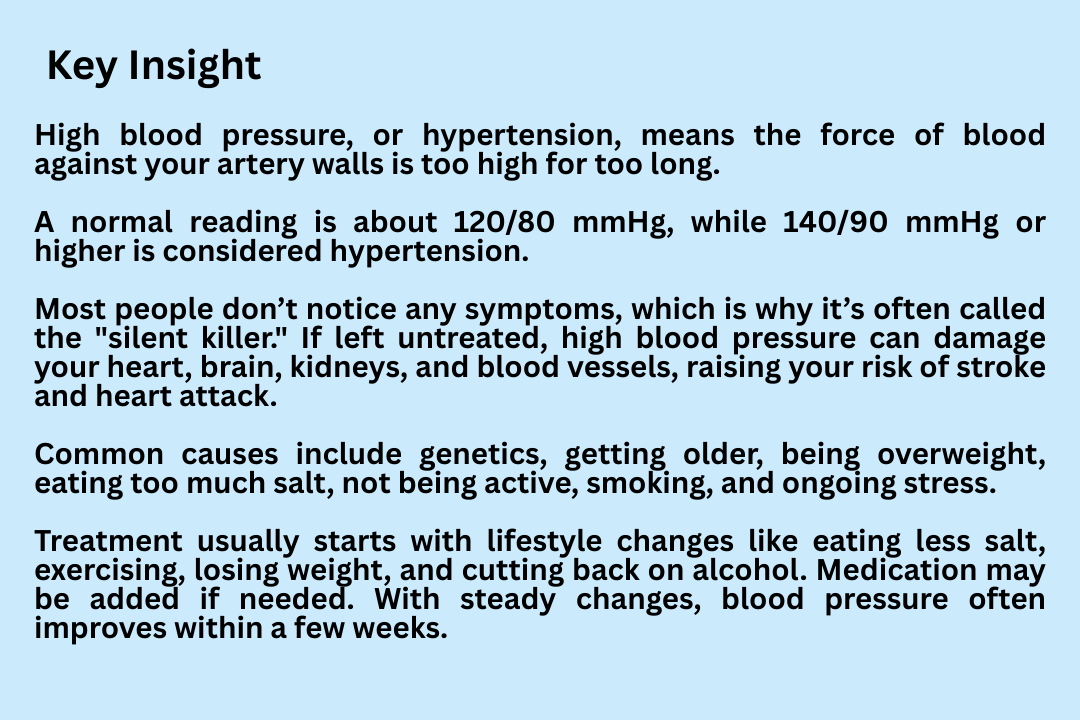
It’s written as systolic over diastolic, such as 120/80 mmHg (millimeters of mercury). Normal blood pressure is below 120/80. Hypertension starts at 140/90 or higher.
If your blood pressure stays high for a long time, it can damage your blood vessels and make your heart work too hard. This raises your risk of serious health problems.
What are the Categories
Understanding what your numbers mean can help you know if you need to do something about them:
- Normal: Below 120/80 mmHg
- Elevated: 120-129 systolic and below 80 diastolic
- Stage 1 Hypertension: 130-139 systolic or 80-89 diastolic
- Stage 2 Hypertension: 140/90 or higher
- Hypertensive Crisis: Above 180/120 (requires immediate medical attention)
If your blood pressure is higher than normal, your risk of developing hypertension goes up. Taking steps to change your habits now can often prevent it from getting worse.
What Are the Causes?
Many factors can cause high blood pressure. For most people, it’s not just one thing but a combination of reasons.
1. Genetics and Family History
If your parents or siblings have hypertension, you’re more likely to get it as well. Your genes affect how your body controls blood pressure and how your blood vessels react to different things.
You can’t change your genes, but knowing your family history lets you watch your numbers more closely and take action early to prevent problems.
2. Age
As you age, your blood vessels naturally get stiffer, which can raise your blood pressure. Most people see their numbers rise as they get older. This doesn’t mean you will definitely get hypertension, but it does make regular checks more important after 40.
3. Excess Weight
Carrying extra weight, especially around your waist, makes your heart work harder. Losing just 5 to 10 pounds can really help lower your blood pressure.
Your body mass index (BMI) and waist size are both linked to blood pressure. Usually, as your weight increases, so does your blood pressure.
4. High Salt Intake
Sodium makes your body hold onto water. This extra fluid raises your blood volume and puts more pressure on your blood vessels. Most adults should keep sodium under 2,300mg a day, which is about one teaspoon of salt.
Most of the salt in our diets comes from processed foods, restaurant meals, and packaged snacks. Even foods that don’t taste salty, like bread and breakfast cereal, can have a lot of sodium.
5. Physical Inactivity
Not being active can raise your blood pressure in several ways. Without exercise, it’s harder to keep your weight in check, your heart isn’t as strong, and it misses the regular activity it needs to stay healthy.
Regular activity helps lower your blood pressure and keeps it steady over time. Even moderate exercise, like brisk walking, can make a difference.
6. Smoking
The chemicals in tobacco quickly raise your blood pressure and damage your blood vessels. Smoking also stiffens your arteries and causes plaque to build up. Each cigarette makes your blood pressure rise for several minutes.
Quitting smoking is one of the best things you can do for your heart and blood vessels. Your blood pressure often improves within weeks after you quit.
7. Excessive Alcohol
Drinking too much alcohol clearly raises blood pressure, even though small amounts might not affect everyone. More than two drinks a day for men or one for women can raise your blood pressure and make medications work less well.
8. Chronic Stress
When you’re stressed, your body releases hormones that raise your blood pressure for a short time. If you’re stressed often, these increases can add up and lead to long-term hypertension. Stress can also lead to habits like overeating, drinking, or smoking.
9. Other Health Conditions
Some health problems, such as kidney disease, thyroid issues, sleep apnea, and diabetes, can raise your blood pressure. Certain medicines, like some pain relievers and decongestants, can also cause it to rise.
Why High Blood Pressure Rarely Causes Symptoms
Most people with hypertension feel fine. That’s why it’s often called the “silent killer.” You can have dangerously high readings for years without knowing it.
When symptoms do appear, they’re often vague and easy to dismiss:
- Headaches
- Dizziness or lightheadedness
- Blurred vision
- Shortness of breath
- Chest discomfort
- Nosebleeds (though this is rare)
These symptoms usually appear only when your blood pressure is extremely high. It’s risky to wait for symptoms, since damage to your heart, brain, kidneys, and blood vessels can happen quietly over time.
That’s why it’s important to check your blood pressure regularly, even if you feel fine.
How High Blood Pressure Is Diagnosed
Doctors usually need several readings taken at different times to diagnose high blood pressure.
One high reading doesn’t always mean you have hypertension. Your blood pressure changes throughout the day based on your activities and how you feel.
Your doctor will usually take several readings over a few weeks or months before making a diagnosis. They may also suggest checking your numbers at home to get a better idea of your usual levels.
You can use a home monitor to keep track of your blood pressure between doctor visits. Try to take your readings at the same time each day, after sitting quietly for five minutes. Write down your results to share with your doctor.
If you’re told you have hypertension, your doctor may order more tests to look for organ damage or find out what’s causing it. These tests might include blood tests, urine tests, or an ECG to check your heart.
Preventing High Blood Pressure
You can’t change your genes or your age, but you can control many other risk factors.
Keeping a healthy weight, staying active, eating less salt, limiting alcohol, not smoking, and managing stress all help lower your risk.
Start checking your blood pressure in your 20s or 30s, especially if you have risk factors. Finding problems early often means you can make changes to your lifestyle before medication is needed.
Treatment for High Blood Pressure
If your blood pressure goes up and you are diagnosed with hypertension, you’ll need to take steps to lower it. The goal is to get your numbers into a healthy range and keep them there. Most people start with lifestyle changes, and medication is added if needed.
1. Positive Lifestyle Changes
- Changing your diet can make a big difference. Eat less salt by choosing fresh foods instead of processed ones, cooking at home more often, and checking nutrition labels. Try to eat more fruits, vegetables, whole grains, and lean proteins.
- The DASH (Dietary Approaches to Stop Hypertension) diet is specifically designed to lower blood pressure. It emphasizes vegetables, fruits, whole grains, lean proteins, and low-fat dairy while limiting salt, sugar, and saturated fats.
- Regular physical activity can lower your blood pressure significantly. Aim for at least 150 minutes of moderate exercise each week, such as 30 minutes of brisk walking five days a week. The more you do, the more benefits you’ll notice.
- If you are a heavier person, losing weight can help. Even losing 5 to 10 percent of your body weight can lower your blood pressure.
- Keep alcohol to moderate levels. For women, that means no more than one drink a day. For men, no more than two drinks a day.
- If you smoke, try to quit. Your blood pressure will start to improve within weeks, and your risk for heart problems will drop a lot.
- Manage stress with techniques like deep breathing, meditation, yoga, or regular exercise. While stress management alone won’t cure hypertension, it helps support other treatments.
2. Medications
If lifestyle changes aren’t enough to control your blood pressure, medication can help. Common types include:
- Angiotensin-Converting Enzyme (ACE) inhibitors and Angiotensin Receptor Blockers (ARBs) relax blood vessels by affecting hormones that control blood pressure.
- Calcium channel blockers prevent calcium from entering heart and blood vessel cells, which relaxes blood vessels.
- Diuretics help your body eliminate excess sodium and water, reducing blood volume and pressure.
- Beta-blockers reduce heart rate and the heart’s workload.
Many people need a combination of medications for the best results. Your doctor will adjust your treatment based on how your blood pressure responds and any side effects you have.
Take your medications exactly as your doctor tells you, even if you feel fine. Hypertension doesn’t cause symptoms, so you can’t tell if the medicine is working just by how you feel.
Living Well With High Blood Pressure
Hypertension is a long-term condition, but it’s very manageable. Most people can control it with a mix of lifestyle changes and medication if needed.
Regular monitoring helps you and your doctor see if your treatment is working. Most people notice improvements within 2-4 weeks of starting treatment, though it can take 2-3 months to find the right mix of medications.
The changes that lower your blood pressure also help your overall health. Eating better, exercising regularly, keeping a healthy weight, and not smoking lowers your risk for many other problems, including diabetes, heart disease, and some cancers.
Your blood pressure numbers today don’t decide your future. With steady effort and the right treatment, you can protect your heart, brain, and overall health for years.