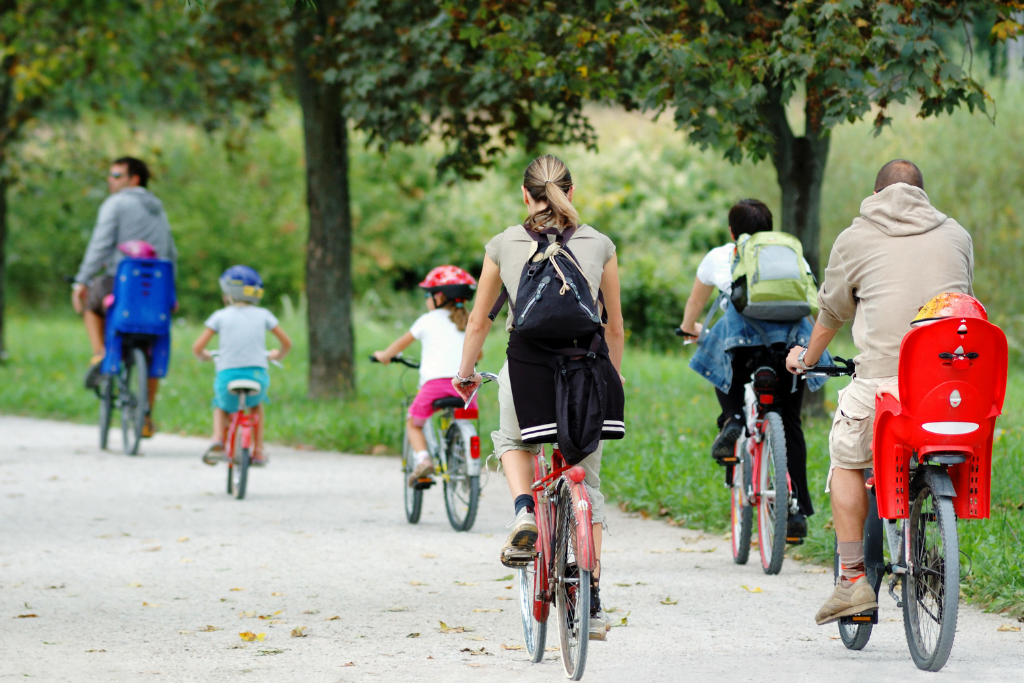

Many people begin cycling just to travel or enjoy the outdoors. But after a while, things start to change. You might sleep better, find it easier to climb stairs, and notice your mood improves after each ride.
These changes aren’t just luck. Cycling brings real health benefits to your body and mind. Your heart works better, your muscles get stronger, and stress fades. Plus, cycling is easy on your joints, unlike some high-impact exercises, yet it still delivers great results.
You don’t have to be a hardcore cyclist to feel these effects. Short, regular rides are better than long, occasional ones. Most people feel more energetic in 2-3 weeks and sleep better within a month. Over time, these benefits add up, showing in both how you feel and in your health checkups.
Here’s what happens to your body when cycling becomes part of your routine.
Key InsightCycling isn’t just a way to get around. Riding regularly can strengthen your heart, lift your mood, help you manage your weight, and lower your risk of diseases like diabetes and cancer. You don’t need fancy equipment or to ride far to notice results. Even short, steady rides—just 15 minutes a few times a week—can boost your energy, help you sleep better, and improve your health. In just a few weeks, you’ll notice changes in how you feel, both physically and mentally. |
1. Your Heart Gets Stronger and More Efficient
Cycling gives your cardiovascular system a steady workout without the pounding impact of running. As you pedal, your heart pumps more blood with each beat and your lungs take in more oxygen. Over time, this improves your entire circulatory system.
You’ll first notice changes in your daily life. Carrying groceries upstairs gets easier, and walking quickly to catch a train won’t leave you out of breath. These small improvements lead to bigger changes in your body, such as improved blood flow, lower blood pressure, and healthier cholesterol levels.
People who cycle to work regularly cut their heart disease risk by nearly half compared to those who drive or take public transport. That’s a massive protective effect from something as simple as choosing two wheels over four.
The most important thing is to ride regularly, not to go fast or far. Even riding at a moderate pace can give you lasting heart health benefits.
2. Your Mood Lifts and Stress Melts Away
Cycling has a special effect on your mind. The steady rhythm of pedaling can help you relax and clear your thoughts. Stress levels drop, and your body releases tension. Even a quick 15-minute ride can lift your mood.
This happens because cycling makes your brain release endorphins, which are your body’s natural mood boosters. These chemicals do more than just make you feel good for a little while. Riding often can actually change your brain over time, which is why regular cyclists often have fewer symptoms of depression and anxiety.
Cycling helps your mental health in more ways than just improving your mood. It supports your brain over the long term by helping new cells grow in the hippocampus, which is the part of your brain that handles memory. So, your daily bike ride not only makes you feel better now, but also helps protect your memory for the future.
Fresh air and outdoor scenery add another layer of benefit. Getting outside, especially in green spaces, amplifies the stress-reducing effects.
3. You Control Your Weight Without Counting Calories
You don’t need intense gym sessions to manage your weight. Cycling at a moderate pace burns around 300 calories per hour, but the real benefit goes beyond immediate calorie burn.
When you cycle often, your leg muscles get stronger. Muscle burns more calories than fat, even when you’re resting. This means cycling slowly increases your metabolism, so your body uses more energy all day, not just while you’re riding.
This effect builds up slowly but surely. People who cycle regularly usually keep a steadier weight than those who don’t exercise. The more you ride, the fitter you get, and the easier it feels, so you end up cycling more often.
Cycling doesn’t feel like a chore, unlike some workouts. You’re moving, seeing new places, and getting fresh air. The fitness benefits come naturally from doing something you enjoy.
4. Your Muscles and Bones Get Stronger
Cycling works many muscles with each pedal stroke. Your quadriceps push down, your hamstrings and glutes help pull up, your core keeps you steady, and your calves help throughout the movement.
Regular use of these muscles makes you stronger for daily activities. Lifting heavy things gets easier, and standing for a long time feels less tiring. As your core gets stronger, your posture often improves too.
Cycling is good for your bones, too. Pedaling keeps your bones active and strong, which can lower your risk of osteoporosis as you get older. While it’s not as intense as running for bone building, it still helps without stressing your joints.
Getting stronger from cycling also helps your balance and stability. This is especially important as you age, since it lowers your risk of falling and getting hurt.
5. Your Joints Move Better Without the Pounding
Running can be hard on your knees, hips, and ankles. Cycling is a gentler option. The smooth, circular motion lets your joints move fully without any harsh impact.
This makes cycling a great choice if you’re recovering from an injury or have joint pain. The movement helps reduce stiffness and builds strength in the muscles around your joints. Many people with arthritis find cycling helpful because it keeps their joints moving without worsening inflammation.
The gentle, steady motion of cycling means less wear and tear on your body over time. You can keep cycling for years without the joint problems that sometimes come with high-impact sports.
Cycling can also make you more flexible. Riding regularly keeps your hips, knees, and ankles moving through their full range, which helps you stay mobile as you get older.
6. You Breathe Deeper, and Your Lungs Get Stronger
Cycling makes you breathe deeply and steadily. This helps strengthen your breathing muscles and improves how your lungs work. Over time, your lungs get better at taking in oxygen and removing carbon dioxide.
People who cycle often have better lung capacity than those who don’t exercise. Their bodies deliver oxygen to muscles and organs more efficiently. This is one reason regular cyclists feel more energetic all day.
If you cycle in traffic, there’s a surprising bonus. Cyclists usually breathe in fewer air pollutants than drivers. You’re not right behind exhaust pipes, and you’re often in spots where the air moves more freely. This means you’re exposed to fewer harmful particles than someone inside a car.
7. You Sleep More Soundly at Night
Many people find they sleep better on days they go for a ride. It’s not just because you’re physically tired; cycling affects several systems in your body that help control sleep.
Cycling regularly helps set your body’s internal clock, known as your circadian rhythm. It lowers stress hormones, such as cortisol, which can disrupt sleep. Physical activity also naturally tires you, unlike just feeling mentally worn out.
People who cycle for just 30 minutes three times a week usually fall asleep faster and sleep longer than those who don’t exercise. Their sleep quality improves too, with more time spent in deep, restful sleep.
When you ride can make a difference. Cycling in the morning or afternoon is best for sleep. If you ride too close to bedtime, you might feel too energized to fall asleep right away.
8. Your Cancer Risk Drops
A large-scale research study tracking over 260,000 people for 5 years found something remarkable. Regular cyclists had a 45% lower risk of developing cancer compared to non-cyclists. Their risk of dying from cancer was 40% lower.
The biggest protective effect seems to be for colon and breast cancers. Scientists think this is because cycling helps balance hormones, lowers inflammation, supports your immune system, and helps you keep a healthy weight. All these things can affect your cancer risk.
You don’t need to cycle long distances to see this benefit. Consistency matters more than intensity. People who regularly commute by bike show the greatest reductions in risk.
This doesn’t mean cycling guarantees you won’t get cancer, but it does improve your chances when combined with a healthy lifestyle.
9. Your Blood Sugar Stays More Stable
Cycling helps your body better handle sugar. Your muscles get better at taking in glucose from your blood, and your cells respond better to insulin. This helps keep your blood sugar steady all day.
People with type 2 diabetes who cycle three times a week for 12 weeks often see big improvements in blood sugar control and how their bodies use insulin. But you don’t need to have diabetes to benefit; regular cycling can also lower your risk of getting it.
People who commute by bike have a 20% lower risk of developing type 2 diabetes compared to those who drive or take public transport. This protective effect builds over time with consistent riding.
Even short rides make a difference. Cycling for 15 minutes after meals can help prevent blood sugar spikes that cause energy crashes later.
10. You Build a Habit That Actually Lasts
Cycling is a great long-term exercise because it doesn’t feel like a workout. You’re out and about, seeing new things, and getting fresh air. The fitness benefits just happen as you ride.
This makes cycling easier to stick with than gym routines that feel like chores. You’re not forcing yourself to exercise; you’re choosing to bike instead of drive because it’s enjoyable.
The habit builds on itself. As you get fitter, riding becomes more fun. You might find new routes or join group rides. What began as a way to get around can turn into something you really enjoy.
This lasting habit is what brings real health benefits. Quick fitness bursts don’t change your health for the long run, but cycling regularly for years can truly transform your body.
How to Start Cycling Safely
You don’t need fancy gear or to be in great shape to start. Begin with short rides, about 10 to 15 minutes on flat paths at a pace that feels good. Try this two or three times a week. As it gets easier, slowly work up to 30 minutes.
Always wear a helmet that fits well. Check your tire pressure and brakes before every ride. Use the front and rear lights when riding in low light or at night. Follow traffic laws just like you would when driving.
Use bike lanes whenever you can. Make eye contact with drivers at intersections and act as if they might not see you. Ride carefully and always signal your turns clearly.
If you haven’t been active for a while, or if you have heart disease, high blood pressure, or joint problems, talk with your doctor before starting a regular cycling routine. This is especially important if you’re over 50 and haven’t exercised recently.
Stop riding and get medical help if you experience chest pain, severe dizziness, unusual shortness of breath, or ongoing joint pain that gets worse with activity.
The Benefits Build Gradually and Last
The health benefits of cycling build up over time. You won’t see a huge change overnight, but you’ll notice steady progress. Expect more energy in 2-3 weeks, better sleep in 3-4 weeks, and real fitness gains after 6-8 weeks of regular riding.
One of the best things about cycling is how the benefits add up. A healthier heart gives you more energy and better sleep. Stronger muscles help your joints and speed up your metabolism. A better mood makes it easier to handle stress. It all works together.
Start with small steps and build up. Riding for five minutes today is better than planning a perfect 30-minute route you never take. Being consistent is more important than riding hard. Short, regular rides lead to more lasting change than long, occasional ones.
Your body changes based on what you do often, not just once. Give cycling a few weeks to become a habit. You’ll notice the benefits in how you feel, how you sleep, and even in your health checkups. Unlike fitness trends that expect perfection, cycling just asks you to get on your bike and ride.