
What you eat has a direct effect on your blood pressure. Around half of adults have high blood pressure, and many only find out during a routine checkup. Medication can help, but your everyday food choices are just as important.
DASH stands for Dietary Approaches to Stop Hypertension. This diet was created to lower blood pressure through what you eat. Most people see improvements in a few weeks. Unlike strict diets, DASH doesn’t cut out whole food groups or require you to count every calorie. Instead, you focus on adding foods that support healthy blood vessels.
Here’s what you should know about how the DASH diet works, what to eat, and how to make it fit your life.
Key InsightThe DASH diet helps lower blood pressure by encouraging foods high in potassium, magnesium, calcium, and fiber, while reducing sodium. Many people see their blood pressure drop by 8 to 14 points in just two weeks, even if they don’t lose weight. You’ll eat more fruits, vegetables, whole grains, and lean proteins, and less processed food. Most people notice improvements within the first month. The plan is flexible, well-researched, and can be used with medication if needed. |
How the DASH Diet Lowers Blood Pressure
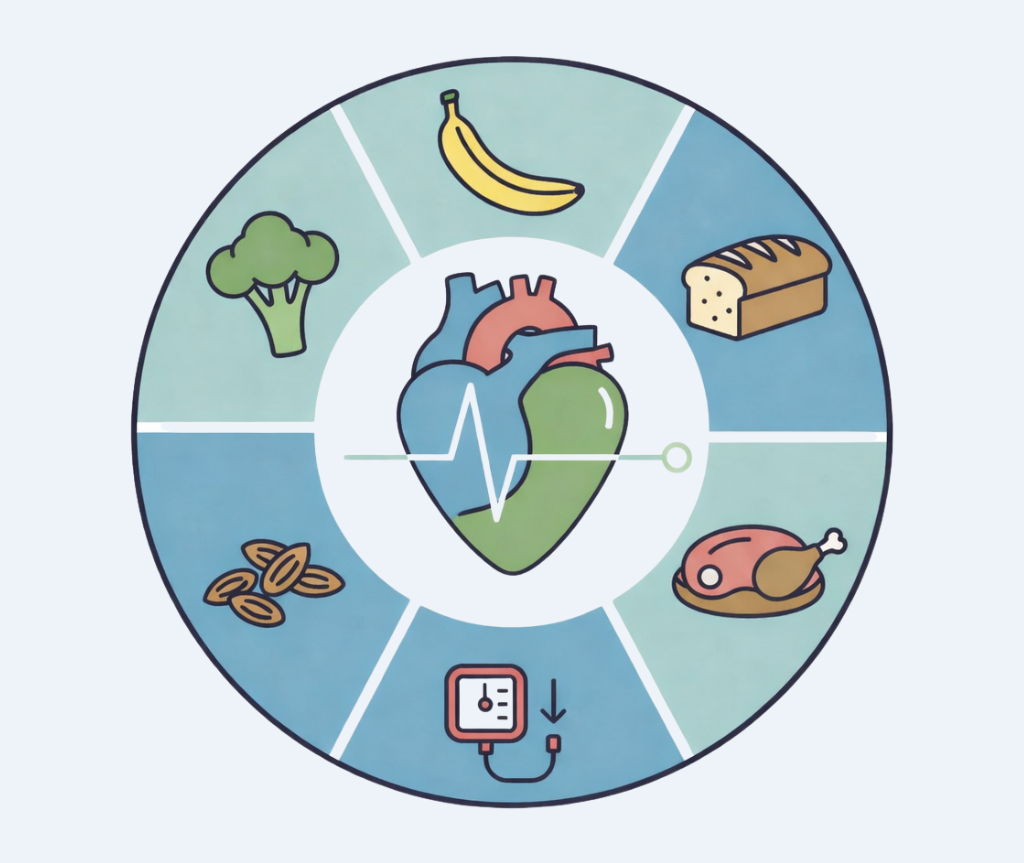
DASH helps lower blood pressure by addressing its main causes in several ways. Your blood vessels need nutrients to relax and contract as they should. If you don’t get enough potassium, magnesium, or calcium, your arteries can become too tight, which increases pressure on your blood vessels.
Potassium helps your kidneys remove extra sodium in your urine. With less sodium, your body holds onto less fluid, which eases pressure on your arteries. Bananas, potatoes, beans, and leafy greens are all good sources of potassium.
Magnesium and calcium help your muscles, including those in your artery walls, contract and relax properly. If you don’t get enough of these minerals, your blood vessels may not respond well to changes in blood flow. Magnesium is found in nuts, seeds, and whole grains. Calcium comes from dairy, leafy greens, and fortified foods.
Fiber helps your body control blood sugar and lowers inflammation, both of which affect how hard your heart works. You can get fiber from whole grains, vegetables, and fruits.
Eating fewer processed foods helps you lower your sodium intake. Most salt in your diet comes from packaged foods, restaurant meals, and takeout, not from the salt shaker. Cooking at home with fresh ingredients lets you control how much salt you use.
What to Eat on the DASH Diet
DASH doesn’t require perfection. Just try to focus on these food groups most of the time.
Vegetables and fruits should fill half your plate at most meals. Leafy greens, tomatoes, carrots, bell peppers, berries, oranges, and bananas are especially good choices. They give you potassium and antioxidants your blood vessels need. Frozen and canned options work fine as long as they’re low-sodium or have no added salt.
Whole grains provide fiber and minerals that white bread and white rice lack. Oats, brown rice, whole wheat pasta, quinoa, and barley help keep your blood sugar steady and support healthy blood vessels. Try to make at least half of your grains whole grains.
Lean proteins are good for your heart and don’t add much saturated fat. Fish, skinless chicken, beans, lentils, tofu, and small amounts of nuts or seeds are great options. You can have red meat sometimes, but keep portions small and pick lean cuts.
Low-fat dairy gives you calcium and protein without too much saturated fat. Milk, yogurt, and cheese help your bones and blood vessels. If you can’t have dairy, try plant milks with added calcium.
Healthy fats are found in olive oil, avocados, nuts, seeds, and fatty fish like salmon. These fats help keep your blood vessels flexible. Be mindful of portions, since fats are high in calories.
What to Limit on the DASH Diet
DASH works best when you cut back on certain foods rather than banning them completely. This approach makes it easier to stick with a long-term plan.
High-sodium foods are the main thing to cut back on. Processed meats, frozen dinners, canned soups, instant noodles, and most packaged snacks contain way more salt than you’d guess. Even bread, cheese, and condiments can add up quickly. You don’t have to cut salt all at once. Reduce it gradually over a few weeks, and your taste buds will adjust. Most people find that foods they once loved start tasting too salty after a month of eating less sodium.
Saturated and trans fats can damage your blood vessels over time. Butter, fatty cuts of meat, full-fat dairy, pastries, and fried foods are the main sources. You don’t need to avoid these completely, but they shouldn’t be daily staples. Choose healthier fats from olive oil, nuts, and fish instead.
Sugary foods and drinks can cause weight gain and insulin resistance, which both raise blood pressure over time. Sweetened drinks, desserts, candy, and refined snacks are okay as occasional treats, but try not to have them every day.
How Much Sodium Should You Aim For
Most experts recommend keeping sodium under 2,300 mg per day, which is about one teaspoon of salt. For even better results, aim for 1,500 mg or less. Lowering sodium too quickly can feel restrictive and make food taste bland at first.
Start with simple steps. Stop adding salt to the table. Pick low-sodium versions of foods you already buy. Cook more meals at home so you can control the salt. Use herbs, spices, garlic, lemon juice, and vinegar to add flavor instead of salt.
Read nutrition labels carefully. Foods labeled “reduced sodium” can still be high in salt. Look for options with less than 140 mg per serving when possible. Breads, deli meats, and canned soups are often surprisingly high in sodium.
If you take blood pressure medicine or diuretics, check with your doctor before making major changes. Some medicines affect how your body manages sodium and potassium. Your doctor might need to adjust your medication as your diet and blood pressure change.
A Sample Day on the DASH Diet
DASH is flexible and can fit many cultures and personal preferences. Here’s an example of what a typical day could look like.
Breakfast: Oatmeal topped with sliced strawberries, walnuts, and a dollop of Greek yogurt. Or try whole-grain toast with mashed avocado and a boiled egg on the side. Both options give you fiber, protein, and healthy fats to start your day.
Lunch: Lentil and vegetable soup with a side salad dressed in olive oil and lemon juice. Add a slice of whole-grain bread if you’re still hungry. This combination gives you protein, fiber, and plenty of vegetables.
Dinner: Enjoy grilled salmon or chicken breast with roasted vegetables and brown rice. Or try a bean-and-vegetable stir-fry with quinoa, seasoned with garlic, ginger, and a little low-sodium soy sauce.
Snacks: Choose fresh fruit, a small handful of unsalted nuts, carrot sticks with hummus, or plain yogurt with berries. These snacks help keep you full between meals without adding much sodium.
Portion sizes are important, but you shouldn’t feel hungry. Aim for balance and satisfaction, not deprivation. If you’re still hungry after a meal, add more vegetables or another piece of fruit.
DASH and Weight Loss
The DASH diet wasn’t made just for weight loss, but many people lose weight naturally when they follow it. High-fiber foods help you feel full longer, and you usually eat fewer calories than with a typical Western diet.
If you do lose weight, that can help lower your blood pressure even more. But here’s the good news: your blood pressure often improves even if your weight stays exactly the same. That’s why DASH works for people of all sizes.
If weight loss is a goal, you can combine DASH with smaller portions and regular physical activity. Just don’t slash calories too low, or you’ll feel deprived and give up. A slow, steady approach works better than drastic changes.
Who Needs to Be Careful with DASH
DASH is safe for most people, but some may need to make adjustments.
If you have advanced kidney disease, you might need to limit foods high in potassium. Your kidneys may not remove extra potassium well, and too much can cause heart rhythm problems. Work with your doctor or a dietitian to adjust the plan safely.
If you take medicines that affect fluid or electrolyte balance, make diet changes slowly. This includes some blood pressure drugs, diuretics, and heart medicines. Your doctor may need to adjust your medication as your blood pressure improves.
If your blood pressure stays high even after changing your diet, talk to your doctor. High blood pressure can have other causes that need medical care. Some people have secondary hypertension from kidney disease, hormone problems, or other issues that diet alone can’t fix.
Making DASH a Long-Term Habit
The key to success with DASH is to make it feel like a normal part of your life, not a special diet you have to force yourself to follow.
Begin your meals with vegetables. Serve a salad or vegetable soup first. Plan simple, repeatable breakfasts and lunches, so you don’t have to decide what to eat every day. Keep healthy snacks easy to see and reach in your kitchen. Enjoy treats now and then without feeling guilty.
When eating out, look for grilled or baked options instead of fried. Ask for sauces and dressings on the side so you control how much you use. Skip the bread basket or chips if they’ll tempt you to fill up before your meal arrives.
Meal prep can make things easier. Cook extra whole grains on Sunday, roast a big tray of vegetables, or make a pot of beans for the week. Having these ready-to-eat foods helps you make healthy meals faster than ordering takeout.
Progress is more important than perfection. If you have an off day, just get back on track at your next meal. Your body responds to your overall habits, not single choices. One salty meal won’t undo weeks of healthy eating.
Your Blood Pressure Responds to Your Choices
You don’t need strict rules or complicated plans to lower your blood pressure. The DASH diet works by providing your body with the nutrients it needs and cutting out foods that put extra strain on your heart and blood vessels.
Small, steady changes add up over time. Your blood pressure responds to what you do consistently, not occasionally. When these eating habits become part of your routine, you’ll support your heart health every single day without even thinking about it.