
Many people want to lose weight, but many struggle to find cardio routines that work for them. The main issue isn’t motivation—it’s knowing which exercises are effective without needing expensive gear or special skills.
Cardio helps you lose weight by burning more calories than you eat. It also strengthens your heart, builds stamina, and gives you more energy each day. Not all cardio burns calories at the same rate. Your calorie burn depends on how hard you work, how long you exercise, and your current fitness level.
This guide shares ten proven cardio workouts for all levels, so you’ll find options whether you’re a beginner or looking for a tougher challenge.
Key InsightCardio helps you burn calories and lose weight when you choose exercises that fit your fitness level. But you don’t need special equipment or a gym. Exercises like power walking, jumping jacks, and burpees raise your heart rate and burn fat. Try mixing harder moves, such as squat jumps, with easier ones like rowing or cycling. Most people need 150 to 300 minutes of cardio each week to lose weight, but it’s best to start small and build up. The best cardio is the one you’ll stick with. Changing up your workouts keeps things interesting, helps prevent injuries, and challenges your body. |
1. Power Walking: Your Low-Impact Starting Point
Power walking is an easy way to start cardio for weight loss. It’s great if you have extra weight, are recovering from an injury, or are new to exercise. Power walking means moving faster than a normal walk, usually about 4 to 5 mph. This raises your heart rate without putting stress on your joints like running can.
Swing your arms as you walk to burn more calories. Keep your core tight and walk at a steady, quick pace. A person weighing 70kg burns about 150 to 200 calories in 30 minutes of brisk walking. The exact number depends on your speed and where you walk. Walking uphill, whether on a treadmill or outdoors, burns more calories.
If you have knee or hip problems, power walking can improve your heart health without making these issues worse. Start slowly and notice how your joints feel. Increase your distance and speed gradually over several weeks.
2. Jogging: Building Endurance and Burning Fat
Jogging is more intense than walking but less intense than running. It’s a good option once you have some basic fitness. Jogging burns about 300 to 400 calories per hour at a steady pace. It also helps strengthen your bones and build endurance over time.
If you’re new to jogging, try mixing jogging with walking instead of jogging the whole time. For example, jog for one minute, then walk for two minutes. As you get stronger, walk less and jog more. This helps lower your risk of injury while still giving your heart a good workout.
Wearing proper running shoes matters more than you might think. Good shoes absorb impact and help prevent shin splints, stress fractures, and knee pain. These injuries can derail your progress for weeks or months. Visit a running store for a gait analysis if you’re serious about making jogging a regular habit.
Your running form matters for both efficiency and injury prevention. Keep your back straight and don’t take steps that are too long. Try to take about 160 to 180 steps per minute. This pace helps you use energy well and puts less stress on your joints.
3. Jumping Jacks: Quick Bursts With Real Impact
Jumping jacks are a great cardio option when you don’t have much time or space. This classic exercise quickly raises your heart rate, improves coordination, and requires no equipment. You may remember them from school, but they work well for adults who want to lose weight, too.
You can use jumping jacks in multiple ways. Try them as a warm-up before strength training. Add them to a circuit routine. Or do short bursts between other exercises to keep your heart rate elevated. A 70kg person burns about 100 calories in 10 minutes of continuous jumping jacks. Most people do them in shorter intervals mixed with other movements.
If you want to protect your knees, step one foot out at a time instead of jumping. This easier version still gets your heart rate up, but is easier on your joints. You can also slow down while keeping the arm movements.
4. Squat Jumps: Where Strength Meets Cardio
Squat jumps mix lower-body strength with intense cardio, making them great for weight loss. The jumping movement burns calories fast and works your glutes, quads, hamstrings, and calves at the same time.
Good form helps prevent injuries and gets better results. Start in a squat with your weight in your heels. Jump up using your legs, then land softly back into the squat to absorb the impact. Landing gently is important because hard landings can strain your knees and ankles.
Squat jumps help you burn more calories both during and after your workout. This is due to EPOC, which means your body continues to burn extra calories for hours after you finish. If you have knee problems or weak legs, start with regular squats and add jumps as you get stronger.
5. Burpees: The Total-Body Calorie Burner
Burpees are one of the best exercises for working your whole body and burning calories. They target your chest, arms, core, glutes, and legs while keeping your heart rate high. You might love them or hate them, but they definitely work.
A standard burpee goes like this: stand up, squat down, kick your feet back into a plank, do a push-up, return to the squat, and jump up. Even 10 burpees will raise your heart rate and work your muscles. A 70kg person burns about 10 calories per minute doing burpees, making them a top choice for quick, effective workouts.
Burpees are demanding. If you’re new to exercise or have wrist, shoulder, or back problems, try modified versions. Step back into the plank instead of jumping. Skip the push-up portion. These modifications still provide cardiovascular benefits while you build strength and coordination.
6. Mountain Climbers: Core-Focused Cardio
Mountain climbers combine cardio with core strength, making them great for overall fitness, not just weight loss. Start in a plank and bring your knees toward your chest one at a time, like running in place. Keep your core tight at all times.
Maintain low hips and a tight core to prevent your lower back from sagging. This positioning ensures you’re working your abdominal muscles effectively while elevating your heart rate. You can adjust the difficulty by changing your speed. Slow, controlled movements emphasize core strength.
Faster movements focus more on cardiovascular conditioTo change things up, try cross-body mountain climbers by bringing each knee toward the opposite elbow. This twist works your side abs even more. You’ll likely feel it in your obliques the next day.
7. Rowing: Low-Impact With High Returns
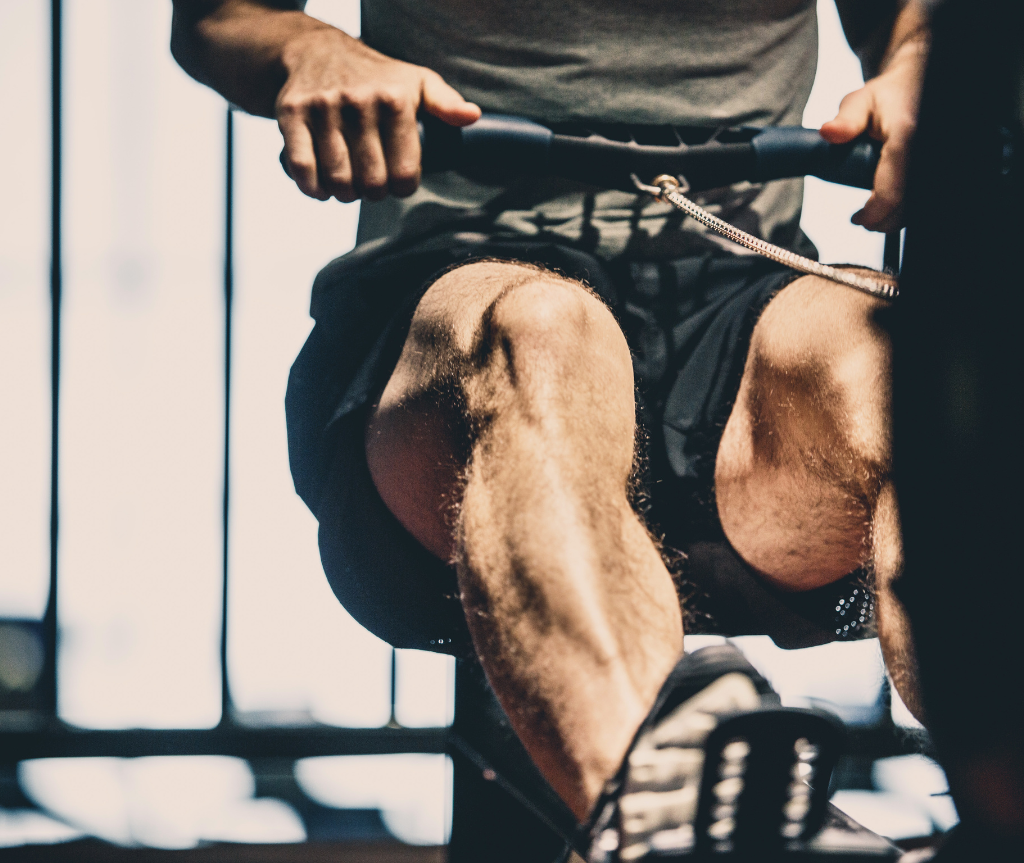
Many people choose treadmills or bikes, but rowing is one of the best all-around cardio workouts for weight loss. Rowing uses about 85% of your muscles, including your legs, back, arms, and core. It’s also gentle on your joints.
A 70kg person burns about 250-300 calories in 30 minutes of moderate rowing. Push that to vigorous rowing, and you’ll burn over 400 calories. Proper form makes the difference. Most of your power should come from your legs, not just your arms. The sequence goes: push with your legs, lean back with your core, pull with your arms, then reverse to return.
Rowing is a good choice if you have knee or hip problems because the seated position and smooth motion are low-impact. If you have lower back issues, don’t round your spine while rowing, as this can make things worse. Keep your core tight and your back straight.
8. Best Cardio for Weight Loss: Cycling Options
Cycling is a flexible cardio option for weight loss, suitable for any fitness level. You can ride outside or use a stationary bike indoors. Sitting down helps if you have extra weight or joint issues. You can also adjust how hard you work based on how you feel.
There are two main ways to burn more calories while cycling. You can ride at a steady, moderate pace for 45 to 60 minutes to build endurance and burn fat. Or try high-intensity intervals: sprint for 30 seconds, then cycle at an easy pace for 90 seconds. Intervals burn about the same calories in less time and keep your metabolism up after you finish.
You can make cycling harder by increasing resistance, switching between sitting and standing, or adding an incline. A 70kg person usually burns 400 to 600 calories in an hour of moderate cycling. The exact number depends on your speed and effort. Even easy cycling is better than sitting still.
9. Inchworms: Dynamic Movement for Beginners
Inchworms aren’t as intense as other exercises on this list. But they serve an important role in balanced fitness. They combine flexibility, light cardio, and core work. This makes them excellent for warm-ups, recovery days, and for beginners progressing toward more advanced exercises.
To do an inchworm, stand up and bend forward to place your hands on the floor. Bend your knees if needed. Walk your hands forward into a plank, hold for a moment, then walk your feet toward your hands and stand up. This move stretches your shoulders and hamstrings, works your core, and gently raises your heart rate.
Inchworms don’t burn as many calories as burpees or rowing. But they help prevent injuries by preparing your body for more demanding movements. They also maintain flexibility, which makes long-term adherence to exercise easier. Think of them as an investment in your ability to do harder workouts safely.
10. High Knees: Cardio That Builds Coordination
High knees are a cardio exercise that also builds coordination and core strength. Jog in place and lift your knees as high as you can toward your chest. This move works your hip flexors, core, and heart simultaneously. It looks simple, but it gets tough fast.
Move your arms in rhythm with your legs to make high knees harder and burn more calories. This also helps your balance and agility. You can do high knees anywhere, even for short bursts. Doing them for 30 to 60 seconds between other exercises keeps your heart rate up and adds variety.
If you have trouble with balance or tight hips, start by lifting your knees only a little. As you get stronger and more coordinated, raise your knees higher. Don’t push yourself before you’re ready.
How to Build Your Cardio Routine
The best way to get results is to mix different exercises during the week. Don’t do the same workout every day. Changing things up stops your body from getting used to one routine, lowers your risk of injury, and keeps you interested. If you always do the same thing, your body burns fewer calories over time.
Try mixing high-impact exercises like burpees and squat jumps with low-impact ones like rowing and power walking. This way, you work different muscles and let others recover. If you’re new, start with two or three low-impact cardio sessions each week. Over time, work up to four or five sessions with harder exercises.
The American Heart Association recommends at least 150 minutes of moderate-intensity cardio or 75 minutes of vigorous-intensity cardio per week for general health.
For weight loss, the American College of Sports Medicine recommends 200-300 minutes of moderate-intensity exercise. That might sound like a lot, but it breaks down to 30-45 minutes most days. Increase your workout duration gradually rather than jumping in too aggressively.
Focus on good form instead of speed or intensity, especially when you’re starting. Learning the right technique helps prevent injuries that could keep you from exercising for weeks or months. Even a small change in your form can mean steady progress instead of a setback. If you have health issues like heart disease, high blood pressure, or joint problems, talk to your doctor before making big changes to your exercise routine.
Doing cardio for weight loss works best when you also do strength training and eat sensibly. Cardio burns calories while you exercise. Building muscle through resistance training raises your metabolism, so you burn more calories all day, even at rest. Doing both is more effective for fat loss than cardio alone.
Making It Stick Long-Term
This guide covers exercises for all fitness levels, from easy walks to advanced moves like burpees. No matter where you start, you have options.
The most important thing isn’t finding the perfect exercise—it’s picking activities you can do regularly and making them a bit harder as you improve.
Some weeks you’ll feel strong and motivated. Other weeks, you’ll struggle just to show up. Both are normal. What matters is maintaining the habit even when enthusiasm fades.
Start with workouts you genuinely don’t dread. As your fitness improves, you’ll naturally want to try harder variations. Your body adapts, and what once seemed impossible becomes your warm-up.
Track your progress in ways other than the scale. Notice when you can climb stairs without getting tired or finish a workout that seemed too hard a month ago.
Celebrate these wins—they help you stay motivated when weight loss is slow. Your body is getting stronger, even if the scale hasn’t caught up yet.ht loss delivers results when you match exercises to your current ability and gradually increase the challenge.
Mix high-impact and low-impact options throughout your week. Focus on consistency over perfection. The workouts you actually complete beat the perfect routine you never start.
These ten exercises give you enough variety to build a sustainable plan that fits your life and helps you reach your goals.