
Your body needs fuel, and it usually gets that from glucose in carbs. If you eat fewer than 50 grams of carbs a day, your body starts burning fat instead, which is called ketosis.
This can help with weight loss, steady energy levels, and reduced inflammation. Still, not all fats or low-carb foods are healthy. You could eat only bacon and cheese and stay in ketosis, but you’d miss out on important nutrients. The best keto foods offer healthy fats, good protein, fibre, and vitamins. They help you feel full, support your heart, and aid digestion.
Knowing what to eat and what to skip makes keto much easier to follow.
Key InsightKeto is about more than just cutting carbs. When you eat fewer carbs, your body burns fat for energy instead of glucose, which puts you in ketosis. Not all keto foods are the same, though. Choose healthy fats like those in avocados, olive oil, and fatty fish, and avoid processed oils and packaged snacks. Make sure to include good protein and low-carb vegetables for nutrients and fibre. Watch out for hidden sugars in sauces, condiments, and foods that look healthy. By focusing on whole foods and making smart choices, you can create a keto plan that works for you. |
Healthy Fats (Your Main Fuel Source)
Most of your calories on keto come from fat. But the type of fat matters a lot. Choose monounsaturated and polyunsaturated fats. Avoid trans fats and heavily processed oils.
1. Avocados
Avocados are among the most nutritionally complete foods and among the best keto foods you can eat. A medium avocado has 15 grams of fat and just 2 grams of net carbs. They also help your body absorb fat-soluble vitamins like A, D, E, and K.
You can eat them plain, mash them into guacamole, slice them onto salads, or blend them into smoothies. They’re versatile and filling.
2. Olive oil and avocado oil
These oils are your go-to choices for cooking. Extra-virgin olive oil contains polyphenols that help reduce inflammation. Use it for salad dressings or low-heat cooking.
Coconut oil is high in MCTs (medium-chain triglycerides). Your body can quickly turn these into ketones. It’s great for higher-heat cooking.
Avoid vegetable oils such as corn, soybean, and canola. These are highly processed and can promote inflammation.
3. Fatty Fish
Salmon, mackerel, and sardines deliver omega-3 fatty acids that support heart and brain health. Eating fatty fish twice a week provides substantial benefits. A 3-ounce salmon serving gives you 17 grams of protein, 11 grams of fat, and zero carbs.
If you don’t like fish, consider taking a high-quality fish oil supplement. But a whole fish is always better because you get other nutrients too.
4. Nuts and Seeds
Nuts and seeds provide healthy fats and fiber. Macadamia nuts, pecans, and walnuts are especially low in carbs, with only 1-2 grams of net carbs per ounce.
Watch your portions, though. It’s easy to eat way too many nuts without realizing it. Measure them out instead of eating straight from the bag.
Quality Protein (Get the Balance Right)
Getting the right amount of protein matters on keto. Too little leads to muscle loss. Too much might make it harder to stay in ketosis because your body can convert excess protein to glucose.
5. Eggs
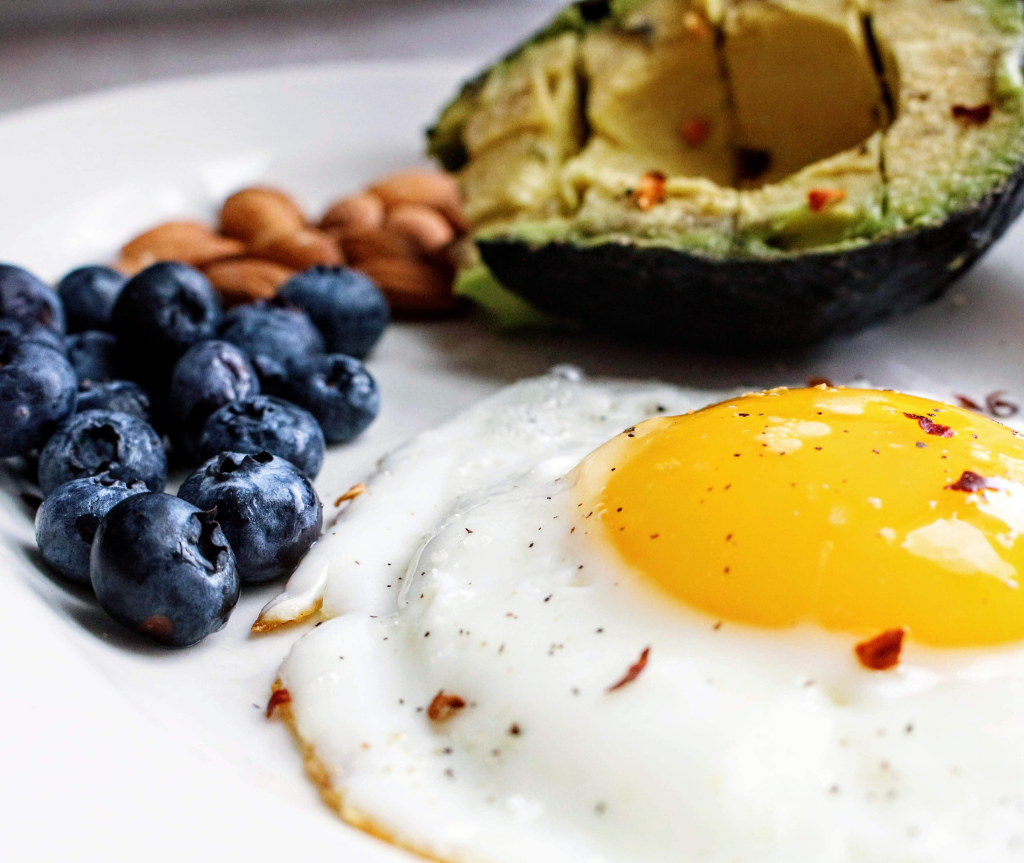
Eggs are the ultimate versatile keto staple. One large egg contains 6 grams of protein, 5 grams of fat, 0 grams of carbs, and choline for brain health. You can scramble, fry, hard-boil, or bake them into frittatas.
Don’t be afraid of the yolks. That’s where most of the nutrients are.
6. Meat and Poultry
Choose fattier cuts to help you hit your fat goals. Ribeye steak, chicken thighs with skin, pork shoulder, and 80-85% lean ground beef all give you plenty of protein and fat together.
Lean cuts like chicken breast are fine occasionally, but you’ll need to add fat from other sources. Processed meats like bacon can be part of keto. Just eat them in moderation and check the labels for added sugars.
7. Seafood and Shellfish
Most seafood is perfect for keto. Shrimp, crab, and white fish are all excellent sources of lean protein. Just remember that some shellfish have a few carbs. Oysters and mussels have 3-4 grams of carbs per serving.
Best Keto Foods: Low-Carb Vegetables
Vegetables are crucial on keto. They give you fiber, vitamins, and minerals that you won’t get from meat and fat alone.
8. Leafy Greens
Spinach, kale, arugula, and lettuce contain minimal carbs, typically 1-2 grams of net carbs per cup. They provide iron, calcium, and vitamins A, C, and K. Eat these freely. It’s hard to overdo leafy greens.
9. Cruciferous Vegetables
Broccoli, cauliflower, and Brussels sprouts provide fiber and compounds that may help protect against cancer. These contain 3-5 grams of net carbs per cup. Cauliflower is especially versatile. You can rice it, mash it, or roast it.
10. Other Low-Carb Choices
Zucchini, asparagus, bell peppers, mushrooms, and cucumber are all great options. They add variety, flavor, and nutrients to your meals without adding many carbs.
Aim to fill at least half your plate with non-starchy vegetables at each meal. This helps you hit your fiber goals and keeps your digestion working well.
Dairy Options (If Your Body Tolerates It)
You can include full-fat dairy in your keto diet if it doesn’t cause digestive issues or inflammation for you.
11. Cheese
Cheese provides protein and fat with minimal carbs. Most hard cheeses contain less than 1 gram of carbs per ounce. Cheddar, mozzarella, parmesan, and cream cheese are all excellent choices.
Some people find that dairy stalls their weight loss or causes inflammation. If this happens to you, cut back and see if things improve.
12. Greek Yogurt and Cream
Greek yogurt is a good choice if you choose full-fat, unsweetened varieties. These typically have 4-6 grams of carbs per half-cup. Heavy cream and sour cream contain minimal carbs and add richness to your meals.
13. Butter and Ghee
Butter and ghee are perfect for cooking. Ghee is clarified butter with the milk solids removed. It’s good if you’re sensitive to dairy but still want that buttery flavor.
If you don’t eat dairy at all, try unsweetened almond milk or coconut milk as low-carb alternatives.
High-Carb Foods to Avoid on Keto
Some foods simply don’t work on keto. Even one serving can use up your entire daily carb allowance.
1. Grains and Starches
You’ll need to cut out bread, pasta, rice, oats, and cereals. Even whole-grain versions have 20-45 grams of carbs per serving. This includes “healthy” grains like quinoa and brown rice.
2. Sugary Foods
Candy, cookies, cakes, ice cream, soda, and juice cause blood sugar spikes that immediately stop ketone production. These are obvious no’s.
3. Most Fruits
Most fruits have too many carbs for keto. A medium banana has 27 grams of carbs. An apple has 25 grams. That’s your whole day’s allowance right there.
You can have small amounts of berries occasionally. Raspberries and strawberries have 3-4 grams of net carbs per half-cup. Stick to small portions.
4. Legumes
Beans, lentils, and chickpeas are high in carbs, yet healthy. Half a cup of black beans has 20 grams of net carbs. Save these for when you’re not doing keto.
5. Starchy Vegetables
Potatoes, sweet potatoes, and corn are too high in carbs. A medium potato has 37 grams of carbs. Stick to the low-carb vegetables listed earlier.
Watch for Hidden Carb Sources
Some foods that seem healthy or keto-friendly actually have hidden sugars. These can kick you out of ketosis without you realizing it.
6. Condiments and Sauces
Many sauces and condiments have added sugars. Ketchup has 4 grams of carbs per tablespoon. Barbecue sauce has 6-8 grams. Low-fat dressings often replace fat with sugar to make up for lost flavor.
Better choices: mustard, hot sauce, sugar-free mayonnaise, and dressings made with olive oil or avocado oil. Read labels carefully.
7. “Low-Carb” Processed Foods
Some processed low-carb foods use sugar alcohols. These can still affect your blood sugar in some people. They might also cause digestive issues, such as bloating or gas.
8. Milk and Flavored Yogurt
Regular milk has 12 grams of carbs per cup. Flavored yogurts can have 20-30 grams per serving. Stick to unsweetened, full-fat versions if you eat dairy.
Build Your Personal Keto Plan
Knowing which are the best keto foods is just the start. Making a plan you can actually stick with means adjusting it to fit your life.
Standard macro percentages (70-75% fat, 20-25% protein, 5-10% carbs) work for most people. But your best intake depends on your age, activity level, and goals.
1. Start with Your Plate
Build each meal starting with protein. Add low-carb vegetables. Finish with healthy fats. This way, you get enough protein and nutrients first, then fill in with fat.
For example: grilled salmon with herb butter, roasted broccoli with olive oil, and a side salad with avocado. Everything you need in one meal.
2. Choose Foods You Actually Like
Pick the best keto foods you enjoy and can eat regularly. Sticking with your plan over time matters way more than being perfect for a week.
Some people stay on strict keto long-term. Others use it for a few months to reach specific goals. Both approaches can work. Find what fits your lifestyle.
3. Pay Attention to How You Feel
Track your energy levels, hunger, mental clarity, and digestion. If something feels off, adjust. If you take medication for blood pressure or diabetes, talk to your doctor before starting keto. Your doses might need adjustment.
The goal is to build an eating pattern you can maintain. Knowing which foods help and which ones hurt lets you make better choices every day.
Make It Work for Your Life
The best keto foods aren’t necessarily the ones on someone else’s meal plan. They’re the ones that keep you in ketosis while fitting your preferences, budget, and lifestyle.
Focus on whole, nutrient-dense options. Choose quality fats over processed ones. Fill your plate with low-carb vegetables. Get adequate protein from good sources. Avoid the obvious high-carb foods and watch for hidden sugars.
You don’t need fancy keto products or expensive supplements. You just need real food prepared simply. Once you know what works, keto becomes straightforward. Your body will tell you when you’re getting it right.