
Key InsightYour gut is home to trillions of bacteria, and they play an important role in preventing colon cancer. Studies show that people with colon cancer often have different gut bacteria than those who don’t. Some bacteria produce protective compounds, such as butyrate, that help keep colon cells healthy, while others can cause inflammation and damage DNA. You can support the good bacteria by eating fermented foods, getting a variety of plant fibers, and avoiding things that harm your microbiome. What you do to help your gut bacteria really matters for long-term prevention, and your microbiome can change quickly when you adjust your diet. |
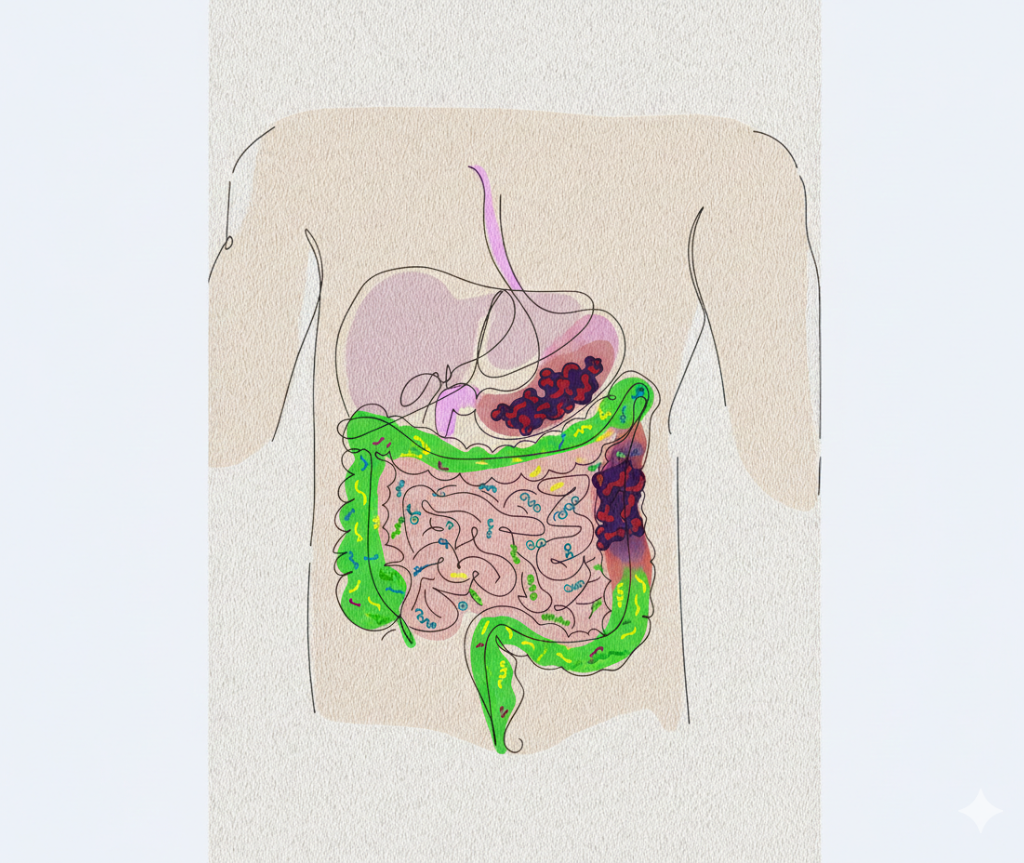
Your gut is home to trillions of bacteria. Some of these bacteria produce compounds that protect your colon cells. Others create inflammation and cell damage that can lead to cancer over time.
Scientists have found something striking when studying people with colon cancer. Those with cancer have very different gut bacteria compared to healthy people. This difference is not random. Some bacteria seem to protect against cancer, while others may raise the risk.
Learning about the link between gut bacteria and colon cancer gives you practical ways to help the bacteria that protect you. You don’t need costly supplements or complex routines. Simple changes to your diet can help the right bacteria grow in your gut.
By the end of this article, you’ll know which gut bacteria can lower your cancer risk, what can harm them, and which foods help support the good bacteria in your colon.
Which Bacteria Protect Your Colon
As your gut bacteria break down the food you eat, they make hundreds of different compounds. Some of these help protect your colon cells, while others could play a role in cancer over time.
Some types of gut bacteria make a compound called butyrate, which acts as fuel for the cells lining your colon. Butyrate is a short-chain fatty acid that helps keep colon cells healthy, lowers inflammation, and may even help kill cancer cells.
Studies have found that people with more butyrate-producing bacteria tend to have a lower risk of colon cancer. These helpful bacteria mainly eat plant fiber. So, when you eat vegetables, fruits, whole grains, and legumes, you’re feeding the bacteria that make butyrate.
Other good bacteria make compounds that help strengthen your gut’s protective lining. They also help control your immune system and lower long-term inflammation. Having a wide variety of bacteria in your gut seems to protect you better than having just a few types.
The Bacteria That May Increase Cancer Risk
Not all gut bacteria are helpful. Some types make compounds that can damage DNA or cause inflammation. Others can turn things in your food into harmful substances. If these bacteria become too common in your gut, your cancer risk may go up.
When scientists compare the gut bacteria of people with colon cancer to those without colon cancer, they see clear differences. People with cancer often have more bacteria linked to inflammation and fewer of the helpful, butyrate-producing bacteria. Keeping the right balance is important.
This doesn’t mean that certain bacteria directly cause cancer. Instead, they can create conditions in your gut that make cancer more likely to develop over time.
What Disrupts Healthy Gut Bacteria
Several changes in recent decades seem to upset the balance of bacteria in your gut.
1. When Antibiotics Change Your Gut
Antibiotics save lives when needed for bacterial infections. But they don’t distinguish between harmful bacteria causing infection and beneficial bacteria in your gut. A course of antibiotics can wipe out large portions of your gut bacteria.
Your microbiome usually bounces back, but it might not return to exactly how it was before. Scientists have found that frequent use of antibiotics, especially in childhood, can alter your gut bacteria for years.
This doesn’t mean you should avoid antibiotics when you really need them. If your doctor prescribes them for a real infection, it’s important to take them as directed. But using antibiotics when they aren’t needed, like for viruses, can harm your gut bacteria.
2. How Diet Shapes Your Bacterial Population
Your gut bacteria eat the same foods you do. Different foods help different bacteria grow. Diets that are low in plant fiber and high in sugar or refined carbs tend to promote bacteria linked to inflammation rather than protective ones.
If the good bacteria don’t get enough fiber, they can’t make butyrate and other helpful compounds. At the same time, bacteria that like sugar may grow more. This change can lead to more inflammation and may raise your cancer risk over time.
3. Why Eating the Same Foods Limits Protection
Eating the same foods over and over, even if they’re healthy, can limit the variety of bacteria in your gut.
Different plants have different fibers and nutrients, and feed different types otypes of bacteria. Following adults over several years, researchers found something interesting. People who ate a wide variety of plant foods had more diverse gut bacteria.
That diversity appears to be protective. Different vegetables, fruits, whole grains, nuts, seeds, and legumes all contribute unique benefits.
Supporting Your Gut Microbiome
The good news is that your gut bacteria can change fairly quickly when you change your diet. You have the power to help the right bacteria grow.
1. Eat Diverse Plant Fiber
Try to eat a mix of plant foods each week. Different fibers feed different good bacteria. Vegetables, fruits, whole grains, beans, lentils, nuts, and seeds all help.
Some experts recommend eating 30 different plant foods each week to support a healthy mix of gut bacteria. This might sound like a lot, but it includes everything—vegetables, fruits, grains, herbs, spices, nuts, and seeds. For example, a stir-fry with five vegetables, brown rice, and sesame seeds gives you seven different plants in one meal.
The most helpful fibers seem to come from vegetables—especially leafy greens and cruciferous veggies like broccoli—as well as beans, lentils, oats, and nuts.
2. Include Fermented Foods
Fermented foods have live, good bacteria that can boost your gut microbiome. Examples include yogurt with live cultures, kefir, sauerkraut, kimchi, miso, and kombucha.
Research shows that eating fermented foods regularly can help increase the variety of gut bacteria and lower inflammation in your body. You don’t need a lot—just a few tablespoons of sauerkraut or kimchi, a serving of yogurt, or a small glass of kefir a few times a week can help.
Choose products with live cultures that haven’t been heavily processed or pasteurized after fermentation, since pasteurization kills the good bacteria.
3. Focus on Prebiotic Foods
Prebiotics are special fibers that feed the good bacteria in your gut. Foods rich in prebiotics include garlic, onions, leeks, asparagus, slightly green bananas, oats, and Jerusalem artichokes.
Eating these foods regularly gives your good bacteria the fuel they need to grow and make helpful compounds. You don’t have to eat them every day, but including them often is a good idea.
4. Limit Artificial Sweeteners
Some early research suggests that certain artificial sweeteners could harm your gut bacteria. Scientists are still learning how this works, but some studies show changes in gut bacteria and more inflammation when people use a lot of artificial sweeteners.
If you use a lot of artificial sweeteners, it might be worth cutting back slowly. Small amounts seem to be less of a problem than using them often.
5. Manage Stress
Long-term stress can change your gut bacteria. Your brain and gut affect each other—your mood can impact your gut, and your gut bacteria can also influence how you feel and handle stress.
You can’t get rid of stress completely, but how you handle it makes a difference. Regular exercise, good sleep, and stress-relieving activities like meditation or spending time outdoors can all help keep your gut bacteria healthy.
What About Probiotic Supplements?
Probiotic supplements have good bacteria, but scientists haven’t shown that they prevent colon cancer. Some studies show they support gut health overall, but there isn’t strong evidence that they lower cancer risk.
Eating fermented foods may be a better way to get good bacteria than taking supplements. Fermented foods also have the nutrients that help these bacteria survive and grow in your gut.
If you’re thinking about taking probiotic supplements, talk to your doctor first. They can be useful in some cases, especially after taking antibiotics. But they aren’t a replacement for eating foods that support your gut bacteria.
The Bigger Picture
Helping your gut microbiome isn’t only about preventing cancer. The same habits that support healthy gut bacteria also improve your overall health in many ways.
Your gut bacteria affect your immune system, inflammation, metabolism, and even your mental health. Taking care of your microbiome has many benefits, and lowering cancer risk is just one of them.
Begin with changes that feel doable. You could add a new vegetable to your shopping list, try sauerkraut or kimchi if you haven’t before, or make sure you eat a mix of different plant foods instead of the same ones all the time.
You don’t have to make big changes all at once. Small, steady steps in how you eat can make a real difference over time. Your gut bacteria can respond quickly to what you eat.
Scientists are still discovering new things about gut bacteria and colon cancer, but the findings so far are promising.
Making simple changes to support good bacteria is one way your daily choices can truly help.