
Going vegan means cutting out all animal products from your diet, such as meat, fish, dairy, eggs, and honey. Instead, focus on plant foods such as vegetables, fruits, grains, legumes, nuts, and seeds.
With good planning, a vegan diet can help your heart, improve digestion, and boost your fiber and antioxidant intake. Still, you need to pay special attention to nutrients such as vitamin B12, iron, calcium, and omega-3 fatty acids.
Most vegans need to take a B12 supplement because plant foods do not provide enough. It’s usually easier to switch gradually, adding more nutritious plant foods instead of just removing animal products. The key is learning how to make balanced meals that give you enough energy and nutrients.
Around 2.5 million people in the UK follow a vegan diet, according to recent surveys, and that number continues to grow. Whether you’re considering going vegan for health reasons, environmental concerns, or ethical values, understanding both the benefits and challenges can help you make informed decisions.
Going vegan is more than just cutting out animal products. You need to learn which plant foods provide essential nutrients, how to make meals that fill you up, and how to handle things like eating out or reading food labels. With the right mindset, plant-based eating can be healthy, sustainable, and enjoyable.
What Going Vegan Actually Means
Going vegan means you stop eating all foods that come from animals. This covers meat, poultry, fish, dairy, eggs, and things like honey or gelatin. Instead, you make meals with vegetables, fruits, whole grains, beans, lentils, chickpeas, nuts, seeds, and plant-based options.
For many people starting out, the goal isn’t to find a perfect vegan replacement for every animal product. It’s about learning how different plant foods work together to provide the energy, protein, fats, vitamins, and minerals your body needs.
Some people start by cutting out red meat, then move on to poultry, fish, dairy, and eggs. Others switch to veganism all at once. There is no single right way; the best approach is the one you can stick with long term.
Potential Health Benefits of Going Vegan
Studies show that a well-planned vegan diet can have several health benefits, but results depend on the quality of your food choices and overall eating habits.
Heart health improvements are one of the most consistent findings. Vegan diets are typically lower in saturated fat and cholesterol while being higher in fiber and plant compounds that support cardiovascular function. Studies suggest vegans often have lower blood pressure and reduced risk of heart disease compared to meat-eaters.
Plant-based diets are often high in fiber and low in processed foods, which can help control blood sugar. Some studies show vegans have lower rates of type 2 diabetes, but this mostly happens when you choose whole foods instead of refined ones.
Many people find it easier to manage their weight on a vegan diet. Plant foods usually have fewer calories than animal products and more fiber, so you may eat less without feeling hungry.
Eating more plant foods gives you more fiber, which is good for digestion. A varied plant-based diet can also help your gut bacteria, which supports your overall health and immune system.
Some people say they have less inflammation after going vegan. This may be because fruits, vegetables, nuts, and seeds have antioxidants and other helpful compounds.
However, these benefits depend on food quality. A vegan diet high in refined grains, sugary foods, and processed meat alternatives won’t provide the same advantages as one focused on whole plant foods.
Potential Risks and Challenges
A vegan diet can be healthy, but you need to watch out for certain nutrients to avoid missing out.
The biggest concern is vitamin B12 deficiency. Plant foods do not have enough B12, so most vegans need to take a supplement or eat foods like fortified plant milks and nutritional yeast. Not getting enough B12 over time can harm your nerves and blood cells.
Iron can be harder to get on a vegan diet because your body absorbs it less easily from plants than from meat. To help, eat iron-rich foods like lentils, beans, tofu, and spinach with foods high in vitamin C, such as peppers, citrus fruits, or tomatoes.
Calcium intake may fall short. Without dairy, you might not get enough calcium. Fortified plant milks, calcium-set tofu, leafy greens like kale and collards, and sesame seeds are good sources, but you need to eat them often. Sources (flaxseeds, chia seeds, walnuts, hemp seeds) differ from those in fish. Your body converts plant-based omega-3s less efficiently, so consistent intake matters. Some vegans choose an algae-based DHA supplement.
Most people get enough protein on a vegan diet if they eat a mix of beans, tofu, tempeh, and whole grains. Athletes or very active people may need to plan a bit more to meet their higher protein needs.
Vitamin D can be low, especially in places like the UK where there is not much sunlight for much of the year. You may need to use fortified foods or take a supplement.
Zinc and iodine are also important to watch. You can get zinc from beans, nuts, seeds, and whole grains. For iodine, use iodized salt or eat seaweed.
If you are pregnant, breastfeeding, have health issues, or take certain medicines, talk to a doctor or dietitian to make sure your vegan diet gives you everything you need.
What to Eat When Going Vegan
Once you know which plant foods give you important nutrients, making balanced vegan meals gets much easier.
- Vegetables and fruits should fill at least half your plate. Try to fill at least half your plate with vegetables and fruits at most meals. Leafy greens, broccoli, peppers, carrots, tomatoes, berries, and citrus fruits are all great sources of fiber, vitamins, minerals, and antioxidants. Frozen fruits and vegetables are just as healthy and can be more convenient.
- Quinoa, whole-wheat pasta, and barley provide sustained energy and important minerals like iron and B vitamins. They also help meals feel satisfying.
- Beans, lentils, chickpeas, tofu, tempeh, edamame, and other soy products are all good sources of plant protein. Eating a mix of these foods during the day will give most people enough protein.
- Healthy fats from nuts, seeds, olive oil, avocados, and nut butters help your hormones, brain, and vitamin absorption. Adding small amounts to your meals boosts both nutrition and satisfaction.
- Fortified foods such as plant milks with added calcium and B12, nutritional yeast, and fortified cereals can help cover any nutrition gaps, especially when you are new to vegan eating.
Common Mistakes When Going Vegan
Many people find vegan eating hard at first, not because the diet is lacking, but because their early food choices are not balanced.
A common mistake is eating too many refined carbs like white pasta, bread, and vegan snacks. These foods are vegan, but they do not give you enough nutrients or keep you full.
Another mistake is not eating enough protein and healthy fats, which can leave you hungry and low on energy. If you feel tired or never feel full after meals, this could be the reason. Supplementation is the most serious error. Unlike other nutrients you can get from food with careful planning, B12 truly requires supplementation or fortified foods for nearly all vegans.
How to Transition Gradually
Making changes slowly is often easier to stick with than switching everything at once. Your taste buds and digestion need time to adjust.
Begin by making one meal a day fully vegan. Breakfast is usually the easiest. You could try oats with berries and seeds, or whole grain toast with nut butter and banana. When that feels easy, add another vegan meal.
Switch dairy milk for fortified plant milk in your coffee, cereal, and cooking. This one change removes a big animal product and gives you calcium and B12.
Start your main meals with beans, lentils, or tofu, then add vegetables and grains. This helps you get enough protein and makes your meal more satisfying.
Keep your kitchen stocked with vegan basics like canned beans, lentils, quinoa, nuts, seeds, and frozen vegetables. Having these ready makes daily meal choices much easier.
What a Simple Vegan Day Can Look Like
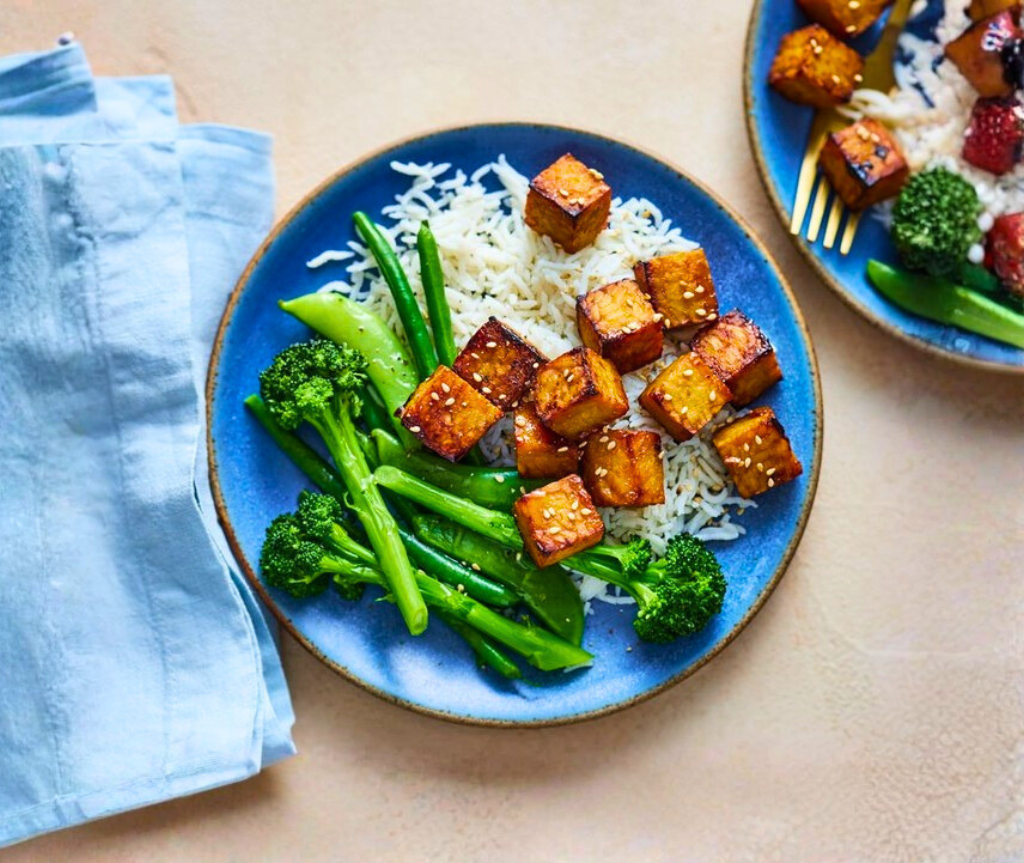
Vegan meals can be simple and quick. For example, you might have oats with berries, ground flaxseed, and plant milk for breakfast. Lunch could be chickpea and vegetable soup with whole grain bread. Dinner might be tofu or beans with lots of vegetables and brown rice or quinoa. Snacks could be fruit, hummus with veggie sticks, or a handful of almonds.
Aim for variety throughout the day instead of trying to make every meal perfect.
Is Going Vegan Right for You
A vegan diet can be healthy at many stages of life, but it is not the only way to eat well. Some people do best on a fully plant-based diet, while others feel better with a more flexible approach that includes some animal foods.
Notice how you feel. Your energy, digestion, mood, strength, and overall health are more important than sticking to a label. If you feel good and get the nutrients you need, you are doing well. If not, it might be time to make some changes.
Going vegan is easier if you stay curious and patient rather than following strict rules. Try adding more nutritious plant foods and notice what makes you feel full and energized.
With time, choosing food becomes more natural, shopping gets simpler, and meals feel less restrictive. You go fully vegan or simply include more plant-based meals in your routine, building your diet around whole plant foods can support your health while expanding your food repertoire in satisfying ways.