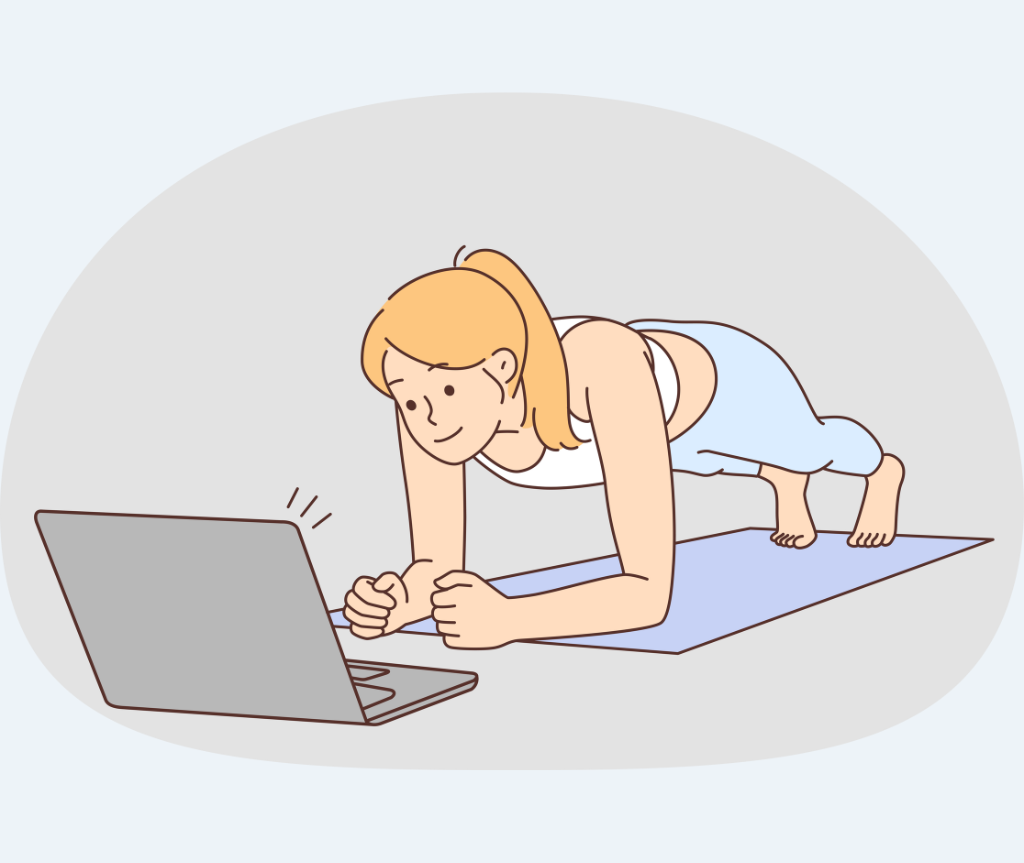

Some days, finding time to work out feels impossible. With work, family, and other responsibilities, a full gym session often doesn’t fit. The good news is you don’t need an hour or even thirty minutes.
No equipment HIIT workouts deliver solid results in just 15 minutes. You need nothing more than your body and enough room to move around.
HIIT stands for High-Intensity Interval Training. You switch between short bursts of hard effort and quick recovery breaks. This raises your heart rate during work periods and lets it drop during rest. HIIT burns calories, improves heart health, and builds stamina—all in less time than you might spend scrolling on your phone.
If you want more energy, better fitness, or just to feel stronger, a 15-minute HIIT session fits well into a busy schedule.
Why Short Sessions Actually Work
You may wonder if 15 minutes is enough. Research shows that it is, for several reasons:
Your body keeps burning extra calories for hours after you finish. According to the American College of Sports Medicine, this “afterburn effect” (called EPOC) can add 6-15% more calorie burn beyond the workout itself.
Your metabolism stays raised longer too. Studies in the Journal of Obesity found that HIIT increased metabolic rate more than steady cardio, with effects lasting 12-24 hours.
Even your heart gets stronger quickly. Research in the British Journal of Sports Medicine shows that doing 15-minute HIIT workouts three times weekly for 8 weeks improved how well your body uses oxygen by 8-12% in adults who were previously inactive.
If you’re short on time, these quick sessions take away the “I don’t have time” excuse and still give you real fitness benefits.
Setting Up Your Workout
A short workout works best with a smart structure. Here’s how to set it up:
Pick your work-to-rest ratio. Start with 30 seconds of effort followed by 30 seconds of rest. As you get fitter, you can work for 40-45 seconds or rest for only 15-20 seconds.
Choose compound moves. Go for exercises that work multiple muscle groups at once, like squats, burpees, and mountain climbers. These burn more calories and build practical strength better than moves that work just one muscle.
Choose the right effort level. During work periods, aim for about 7 or 8 out of 10. You should be breathing hard and unable to talk, but not so tired that your form suffers.
Make the most of your rest time. Recovery periods aren’t wasted—they let your heart rate drop and your muscles recover. This helps you keep your effort high in the next round.
Always include a warm-up and cool-down. Spend 3 to 5 minutes before and after with light movement and stretching. This lowers your risk of injury and helps your body adjust safely.
Beginner Circuit (30 seconds work, 30 seconds rest)
Start here if you’re new to HIIT or coming back after time off.
The moves:
- Jumping jacks to get your heart rate up
- Bodyweight squats (sit back through your heels)
- High knees (drive knees up, stay light on your feet)
- Push-ups (drop to knees if needed, keep your core tight)
- Plank hold (engage your core and breathe steadily)
Repeat this circuit 2 or 3 times. It should feel tough but manageable. If you can’t finish every round, that’s okay—you’ll get stronger over time.
Intermediate Circuit (40 seconds work, 20 seconds rest)
Once the beginner circuit feels manageable, step up to this level.
The moves:
- Burpees (squat, plank, jump combined)
- High knees or imaginary jump rope (keep pace quick)
- Jump squats (add explosive power)
- Push-ups (steady reps with controlled form)
- Mountain climbers (fast but controlled, core engaged)
Repeat this circuit 2 or 3 times. You should feel challenged at the end, but not completely exhausted.
Advanced Circuit (45 seconds work, 15 seconds rest)
For experienced exercisers who want a real push.
The moves:
- Burpee to tuck jump (add a tuck jump at the top)
- Fast mountain climbers (drive knees rapidly, hips low)
- Jump squats (explosive with soft landings)
- Diamond push-ups (narrow hand position)
- High knees sprint (maximum speed)
Repeat this circuit twice. Keep your form strong, even when you’re tired. If your technique slips, take longer rests or switch back to the intermediate level.
Making It Work Anywhere
You can do no equipment HIIT workouts almost anywhere. All you need is about 6 feet by 6 feet of space—enough for a burpee or to lie down for push-ups. This works in a bedroom, living room, hotel room, or even outside.
If you live in an apartment or worry about noise, swap jumping moves for quieter options:
- Jump squats become fast bodyweight squats
- Burpees become step-backs to plank
- High knees become fast marching in place
These swaps make your workout quieter but still keep your heart rate up.
How Often to Do This
According to the American Council on Exercise, beginners should do HIIT 2-3 times per week. Leave at least one full rest day between sessions. This gives you enough stimulus for fitness gains without overtraining.
On other days, try steady cardio, strength training, yoga, or just rest. This balanced routine helps you get better long-term results than doing HIIT every day, which can lead to burnout or injury.
Safety First
If you have high blood pressure, heart disease, joint problems, or haven’t been active for several months, check with your doctor before starting HIIT workouts. The rapid heart rate changes put higher demands on your heart than moderate exercise.
Stop right away if you get chest pain, severe dizziness, unusual heart rhythm, or joint pain beyond normal muscle fatigue. While HIIT is safe for most people, these symptoms need medical attention.
Focus on good form, even when you’re tired. Watch out for rounding your lower back in burpees, letting your knees fall in during squats, or letting your hips sag in planks. If you can’t keep good form, take a longer rest or shorten your work time.
Building the Habit
The real benefit of 15-minute HIIT workouts is that you can stick with them. When workouts feel manageable, you’re more likely to keep going week after week.
Begin with two sessions a week for the first month. When that feels normal, add a third. Track your workouts in a notebook or on your phone—seeing your progress helps keep you motivated.
Remember, any movement is better than none. If you can only do one round instead of three, it still counts. You’re building a long-term habit, not aiming for perfection every time.
No equipment HIIT workouts show that you don’t need fancy gear or lots of time to get fit.
All it takes is your body, 15 minutes, and the commitment to keep showing up. That’s enough to build real fitness for your daily life.