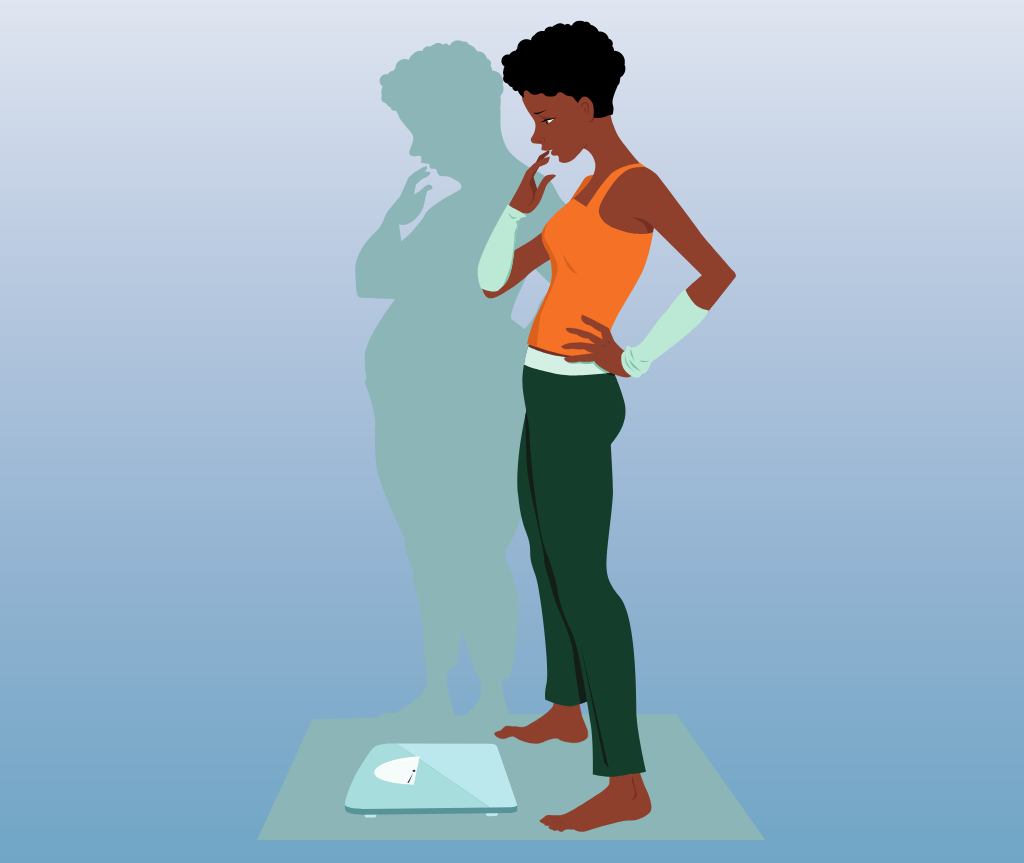

When you begin a keto diet, it’s easy to want to check your weight every day. However, weight is usually the last thing to change.
As your body gets used to ketosis, it undergoes important changes in how it produces energy, balances hormones, controls appetite, and burns fat. These changes don’t always show up as quick weight loss.
Research in Nutrition & Metabolism shows that it usually takes two to four weeks to become “fat-adapted.” During this time, your body learns to make and use ketones for energy instead of glucose. As you adapt, you’ll notice other signs of progress that are better indicators than just watching your weight.
Noticing these signs can help you stay motivated in the early weeks, even if your weight doesn’t change. These eight science-backed signs give you a better idea of how your body is adjusting to keto, long before you see weight loss.
1. Steadier Energy Throughout the Day
One of the first signs that keto is working is having steadier energy. If you used to feel a burst of energy after eating and then crash a few hours later, this often goes away in the first week or two of ketosis.
This change happens because your main energy source is now different. On a high-carb diet, your blood sugar goes up after you eat and then drops as insulin moves glucose into your cells. These ups and downs cause energy swings. When you start burning fat and ketones, your energy stays more steady all day.
According to research from the University of Connecticut, people adapted to ketogenic diets maintain more stable blood glucose levels between meals, which corresponds with sustained energy. Instead of needing snacks every few hours, many people can comfortably go four to six hours between meals without feeling sluggish or unfocused.
This doesn’t mean you’ll have endless energy for hard workouts, especially at first. But your daily energy usually gets much better. You might wake up feeling more refreshed, stay focused in the afternoon without needing caffeine or snacks, and skip the usual late-day slump.
2. Reduced Hunger and Fewer Cravings
If your meals keep you full for longer, your sweet cravings have gone down, and you’re not always thinking about food between meals, these are strong signs that keto is working.
The appetite-suppressing effects of keto occur for multiple reasons. First, fat and protein are more filling than carbohydrates, so meals satisfy you longer. Second, stable blood sugar prevents the hunger spikes that follow blood sugar crashes. Third, ketones themselves appear to reduce ghrelin, the “hunger hormone,” according to research published in Obesity Reviews.
Additionally, lower insulin levels improve other hunger-regulating hormones like leptin, which signals fullness to your brain. When insulin is chronically elevated, leptin signaling can become impaired, making you feel hungry even after eating enough. By reducing insulin, keto often restores normal hunger signaling.
Many people say their relationship with food changes on keto. Instead of eating because of cravings or sudden hunger, they eat at regular mealtimes or when they truly need food. This change often feels freeing and makes it easier to stick with the diet over time.
3. Mental Clarity and Improved Focus
After the first adjustment period, which might include some brain fog, most people notice clearer thinking, better focus, and improved mental sharpness. If your mind feels sharper, you can focus for longer, and the fog has lifted, your brain is likely using ketones well.
The brain typically relies heavily on glucose, but it can use ketones for up to 70% of its energy needs. Research from the University of Oxford found that ketones provide more energy per unit of oxygen consumed compared to glucose, potentially making them more efficient fuel for brain cells.
Beyond energy efficiency, ketones appear to have protective properties. Studies published in Frontiers in Neuroscience suggest that ketones help reduce oxidative stress in brain cells and may support the production of BDNF, a protein crucial for learning, memory, and cognitive health.
Most people notice clearer thinking within two to three weeks of steady ketosis. Tasks that need focus, like writing, coding, or studying, often feel easier and less tiring once your body gets used to burning fat.
4. Better Blood Sugar Control
Improved blood glucose regulation represents one of the most meaningful metabolic signs that keto is working, particularly for people with insulin resistance, prediabetes, or type 2 diabetes. If you monitor your blood sugar and notice lower fasting levels, fewer post-meal spikes, and more stable readings throughout the day, this indicates significant metabolic improvement.
By restricting carbohydrates to 20-50 grams daily, keto dramatically reduces the glucose load your body needs to manage. This allows your pancreas to produce less insulin and helps insulin-sensitive tissues become more responsive. Research published in Diabetes Therapy found that people with type 2 diabetes following ketogenic diets experienced average HbA1c reductions of 1.0-1.5 percentage points within six months.
Even if you don’t have diabetes, keeping your blood sugar steady is important. It’s connected to less inflammation, better heart health, more stable moods, and lower risk of disease. You might also have fewer energy crashes, feel less anxious or irritable, and sleep better, since all these can be affected by blood sugar changes.
If you’re taking medications for diabetes or blood sugar control, close monitoring becomes essential during the first weeks of keto. Work with your healthcare provider to adjust doses as needed based on your blood sugar readings.
5. Body Composition Changes Without Weight Loss
A common but sometimes frustrating sign that keto is working is seeing changes in your body shape before your weight changes. If your clothes fit differently, especially around your waist and stomach, but your weight stays the same, you’re probably losing fat while keeping or even gaining muscle.
This occurs because muscle tissue is significantly denser than fat tissue. When you lose fat but maintain muscle, your body becomes smaller and more toned even though the scale might barely change. According to research from the University of Alabama, ketogenic diets combined with adequate protein intake help preserve lean mass during weight loss better than many calorie-restricted diets.
Fat loss tends to occur first in areas where fat is metabolically active, typically the abdomen and waist. This pattern means you might notice your pants fitting looser around the waist before seeing changes in other areas or on the scale.
Taking measurements and progress photos can show changes that the scale misses. Measuring your waist, hips, chest, and thighs every two weeks often reveals progress you wouldn’t see from weight alone.
6. Improved Digestion and Less Bloating
Many people notice less bloating, gas, and stomach discomfort in the first week or two of keto. If you used to feel too full or bloated after meals, or had irregular digestion, feeling better now means your digestive system is responding well to the diet.
Several factors contribute to this effect. First, reducing fermentable carbohydrates, particularly those found in grains and legumes, decreases gas production in the intestines. Lower insulin levels also change how your body handles sodium and water. When insulin drops on keto, you lose both sodium and water, which reduces the puffy feeling many people experience with high-carb diets.
However, digestive health on keto requires attention to fiber intake. According to research published in Nutrients, successful long-term keto adherence involves prioritizing fiber-rich, low-carb vegetables like leafy greens, broccoli, cauliflower, and avocados.
If you get constipated instead of seeing better digestion, you probably need to eat more vegetables, drink more water, or improve your electrolyte balance.
7. Increased Fat Burning During Exercise
As your body gets used to burning fat, you’ll probably notice changes in your workouts. High-intensity exercise might feel tougher at first, but your endurance for moderate activities often gets better, and you may need less food before or during exercise.
This happens because fat adaptation increases your body’s ability to access and burn fat stores during physical activity. Research from the University of Connecticut found that well-adapted keto athletes could exercise at moderate intensities for extended periods while maintaining stable energy.
Signs that you’re burning more fat during exercise include being able to work out in the morning without breakfast, keeping your energy up during long walks or bike rides without snacks, and recovering faster between sets.
Be ready for an adjustment period. In the first two to four weeks, your performance in high-intensity activities might drop as your body learns to use ketones. Full adaptation can take four to twelve weeks, depending on your training and how closely you follow keto.
8. Changes in Breath or Urine Smell
Although it’s not the most pleasant sign, changes in your breath or urine smell in the early weeks of keto mean your body is making ketones. If you notice a sweet, fruity, or metallic taste or smell on your breath, or if your urine smells stronger than usual, these are signs of higher ketone levels.
This occurs because acetone, one of three ketone bodies your liver produces, is expelled through breath and urine. In early ketosis, your body produces more ketones than it can efficiently use, so excess ketones are excreted. This is a normal part of adaptation and indicates that fat breakdown is accelerating.
This effect is usually strongest in the first one to three weeks and fades as your body gets better at using ketones. Drinking plenty of water can help reduce these symptoms.
The Bottom Line
The most reliable signs that keto is working often show up before you see much weight loss.
In the first two to four weeks, you might notice more steady energy, less hunger between meals, clearer thinking, and better blood sugar control. These changes mean your body is starting to burn fat instead of glucose. You may also feel less bloated, notice your clothes fit better, and see changes in your body shape, even if your weight stays the same.
Because muscle is denser than fat, these changes can happen without losing pounds. These non-scale victories show real progress and often lead to better long-term results than losing weight quickly.