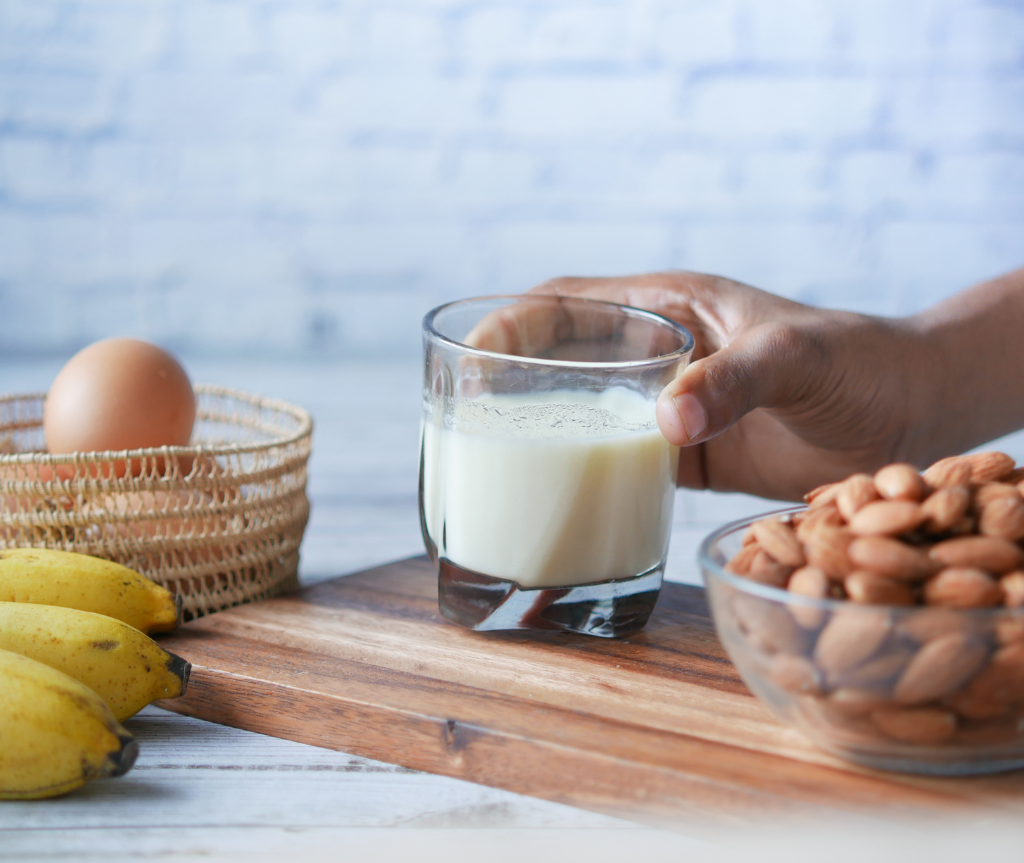

Getting enough protein sounds straightforward. Eat chicken. Eat eggs. Done. But most people are working from a very short list, which limits both the nutritional benefits and the enjoyment of eating well. Protein isn’t just about muscle. It keeps you full, supports your immune system, and helps regulate hormones that affect mood and metabolism. When the sources are varied, your body gets a wider range of amino acids and nutrients alongside the protein itself.
So here are 10 lean protein foods worth knowing about. Some are familiar but often underused. Others might be new. All of them are worth adding to a regular rotation.
What Makes a Protein Source “Lean”
A lean protein is simply one that delivers a solid amount of protein without a lot of saturated fat attached to it. That distinction matters because saturated fat, eaten in large amounts over time, puts pressure on your cardiovascular system. Fatty cuts of meat or full-fat dairy can still be part of a healthy diet, but they shouldn’t be your only protein sources.
Lean protein foods also tend to be more calorie-efficient. You get more protein per calorie, which makes it easier to hit your daily targets without eating more than you need. For anyone managing their weight or trying to build muscle without gaining fat, that ratio makes a real difference.
Both plant and animal foods can be lean. The ten below span both categories, which means there’s something here regardless of how you eat.
Ten Lean Protein Foods Worth Adding to Your Rotation
1. Edamame
Half a cup of edamame provides about 11 grams of protein, plus fiber and folate. What makes it stand out is that it’s a complete protein, meaning it contains all nine essential amino acids. Most plant proteins are incomplete, so edamame is a genuine exception.
It’s also one of the easiest foods to prepare. Steam frozen, add a little salt, and you have a snack or side dish in minutes. Toss it into salads, stir it through grain bowls, or eat it straight from the pod. People managing thyroid conditions should be aware that large amounts of soy can affect thyroid hormone absorption, so if that applies to you, keep portions moderate and check with your doctor.
2. Hemp Seeds
Three tablespoons of hemp seeds contain around 10 grams of protein and a useful amount of omega-3 fatty acids. Like edamame, they’re a complete protein source. The flavor is mild and slightly nutty, making them easy to add to almost anything without changing the meal’s taste.
Stir them into porridge or yogurt, blend them into smoothies, or scatter them over a salad. They don’t need to be cooked, and they don’t need to be soaked. If you’ve been looking for a simple way to raise the protein content of a meal that currently has very little, hemp seeds are one of the most practical options available.
3. Spirulina
Spirulina is a blue-green algae sold as a powder or in tablet form. One tablespoon provides about 8 grams of complete protein, along with B vitamins, iron, and antioxidants. The protein density per gram is notably high, which is why it’s worth including even though the serving size is small.
The taste is earthy and strong. On its own, it’s an acquired flavor. Mixed into a smoothie with banana or mango, most people can’t detect it at all. Worth noting: spirulina can interact with blood thinners and some immunosuppressant medications, so check with your doctor before adding it regularly if you’re on any prescription medication.
4. Nutritional Yeast
Two tablespoons of nutritional yeast give you around 8 grams of protein with very little fat and sodium. It’s deactivated yeast, which means it doesn’t make bread rise. What it does is add a naturally cheesy, savory flavor to food without any dairy involved.
Sprinkle it on pasta, popcorn, roasted vegetables, or scrambled eggs. It’s a particularly useful addition for people eating mostly plant-based, where getting flavor depth and protein into the same ingredient is always a bonus. Many brands are also fortified with B12, so it’s worth checking the label.
5. Chickpeas
Half a cup of cooked chickpeas contains around 10 grams of protein and 5 grams of fiber. That combination is part of why they’re so filling. Fiber slows digestion, which means blood sugar stays steadier and hunger stays quieter for longer after a chickpea-based meal.
Roast them for a crunchy snack, blend them into hummus, add them to curries, or toss them through a salad for bulk. Canned chickpeas work just as well as dried and save a lot of time. They’re one of the most versatile and affordable protein sources available, and they sit well in flavors from almost any cuisine.
6. Tempeh
Tempeh is fermented soybeans pressed into a firm block. Half a cup provides about 16 grams of protein, which is on the higher end for a plant-based food. The fermentation process also produces probiotics, so there’s a gut health benefit alongside the protein.
It absorbs marinades well, which makes it useful for cooking. Slice it thinly, marinate it in a soy sauce and ginger mixture, and fry or grill it. The texture is firm and satisfying in a way that softer plant proteins sometimes aren’t. As with edamame, people with thyroid conditions should consume soy-based foods in moderation and follow their doctor’s guidance.
7. Lentils
One cooked cup of lentils provides about 18 grams of protein, making them among the most protein-dense plant foods. They also come with folate, potassium, and iron, which support energy production and heart health alongside the protein benefit.
Red lentils cook quickly and break down into a thick, creamy texture, making them ideal for soups and dals. Green and brown varieties hold their shape better and work well in salads or as a base for grain bowls. Black lentils are firmer still, with a slightly earthy flavor. Rotating between varieties keeps things interesting and adds different textures to your meals.
8. Greek Yogurt
A 170g serving of plain Greek yogurt gives you around 22 grams of protein. It’s also a source of calcium and probiotics, making it useful for bone and gut health. The straining process that makes Greek yogurt thicker than regular yogurt also concentrates the protein.
Plain is the better choice over flavored versions, which often contain more added sugar than you’d expect. Top it with fruit, seeds, or a small amount of honey if you want sweetness. It also works well as a substitute for sour cream in savory dishes, or as a base for salad dressings and dips.
9. Salmon
A half fillet of salmon provides around 34 grams of protein, along with omega-3 fatty acids that support heart and brain health. Salmon is technically higher in fat than some other fish, but most of that fat is unsaturated, which is why it still qualifies as a lean protein source in nutritional terms.
Fresh and canned salmon are both good options. Canned is significantly cheaper and still delivers the same protein and omega-3 content. Flake it into a salad, mix it with Greek yogurt for a quick lunch, or bake a fillet with herbs and lemon for an easy dinner. It’s one of the few foods that earns its place in almost any meal of the day.
10. Chicken Breast
An 85g serving of skinless chicken breast gives you around 26 grams of protein with very little fat. It’s familiar for a reason: it’s consistent, widely available, and works with almost any flavor profile.
The most common mistake with chicken breast is overcooking it, which makes it dry and unpleasant. A meat thermometer takes the guesswork out of it. Cook to an internal temperature of 74°C and let it rest before slicing. Batch cook at the start of the week and use it across multiple meals: sliced into salads, shredded into wraps, or stirred through soups. The versatility is the real value here.
How to Build More Variety Into Your Protein Intake
Variety in protein isn’t something you need to plan obsessively. A few small shifts make a real difference. If you currently rely on chicken and eggs for most of your protein, try swapping one meal a week for lentils or chickpeas. If you eat mostly plant-based, tempeh or Greek yoghurt can fill gaps where you might otherwise fall short.
Mixing plant and animal proteins across the day is a practical approach for most people. You get the complete amino acid profiles that animal sources provide, alongside the fiber, antioxidants, and gut-supporting benefits that come with plant foods. Neither category covers everything on its own.
One useful habit: check the protein content of your current meals and look at where the gaps are. Most adults need 0.8 to 1.2 grams of protein per kilogram of body weight daily, with higher amounts if you’re physically active or over 60. If most of your meals are falling short, adding one higher-protein food to each sitting is usually enough to make up the difference.
One Change, This Week
The list above isn’t meant to be overwhelming. Most people don’t need to overhaul everything they eat. What usually works better is picking one unfamiliar food from the list and finding a simple way to try it this week. Add hemp seeds to your morning yogurt. Swap your usual snack for a small bowl of edamame. Open a tin of salmon for lunch instead of whatever you usually have.
Small repeated additions are what actually shift how your meals feel and how your body responds. Protein variety doesn’t need to be complicated to make a difference.